Products
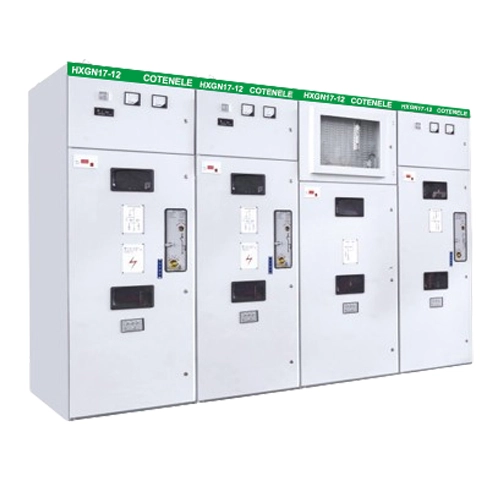
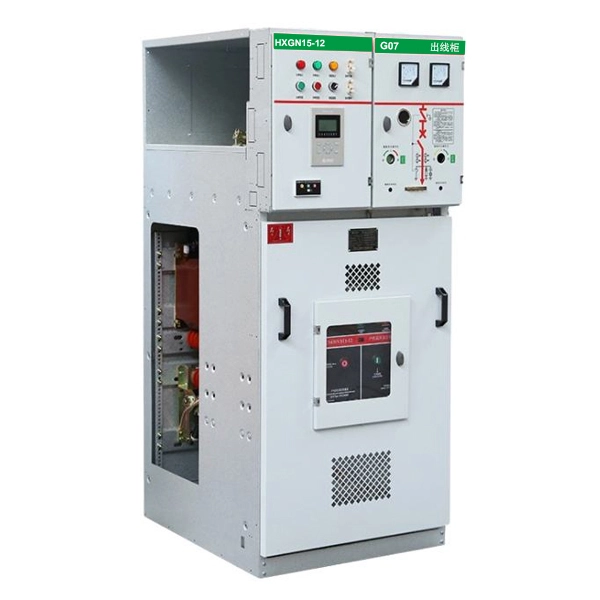
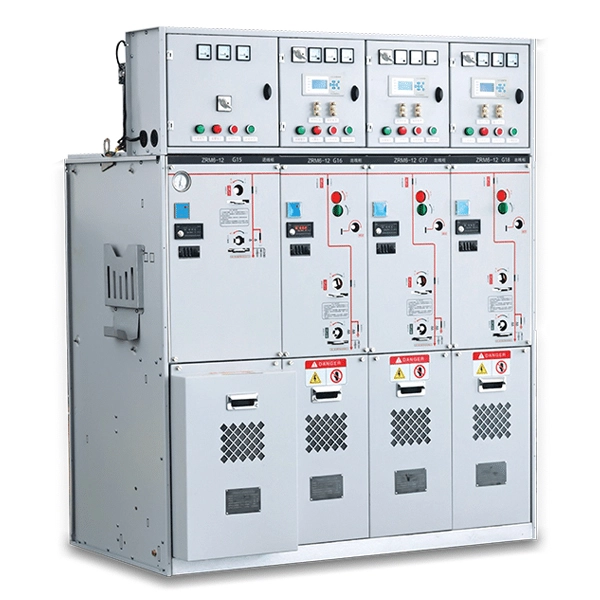
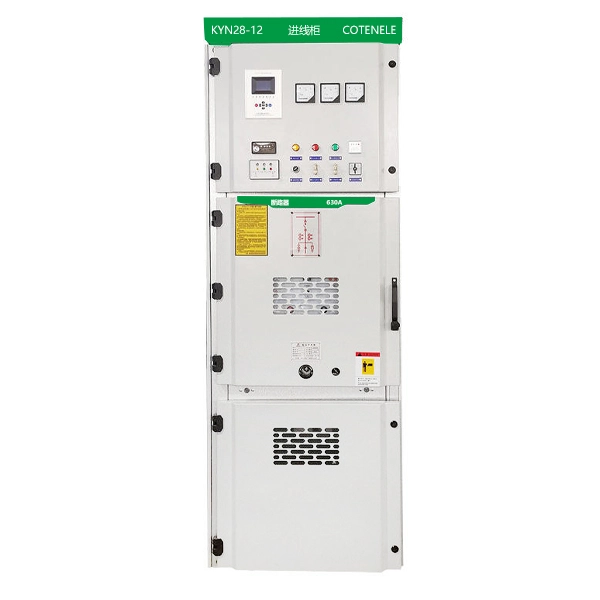
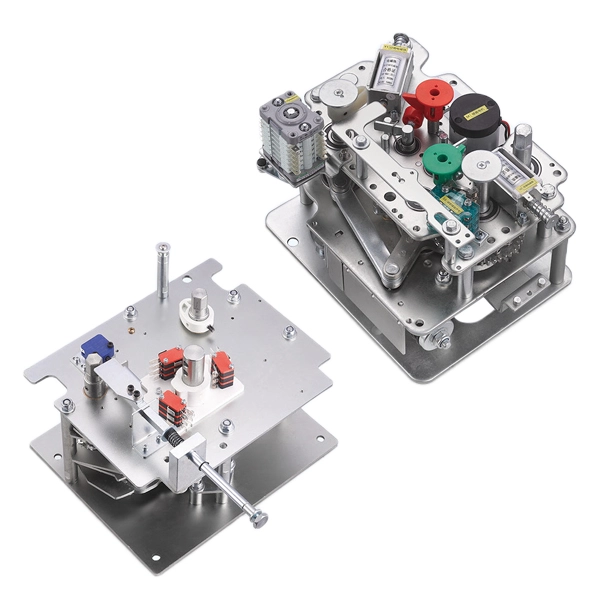
11KV RMU Electrical Circuit Breaker Disconnector Operating Mechanism
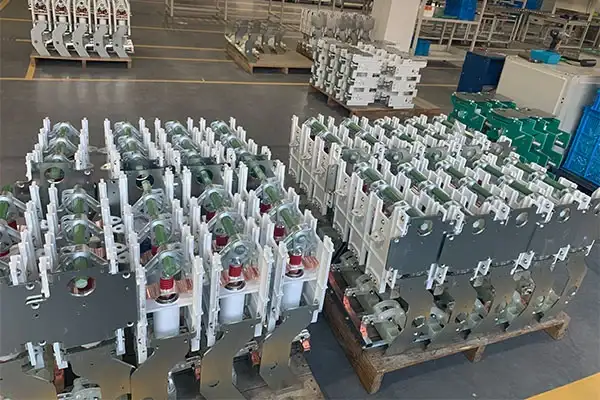
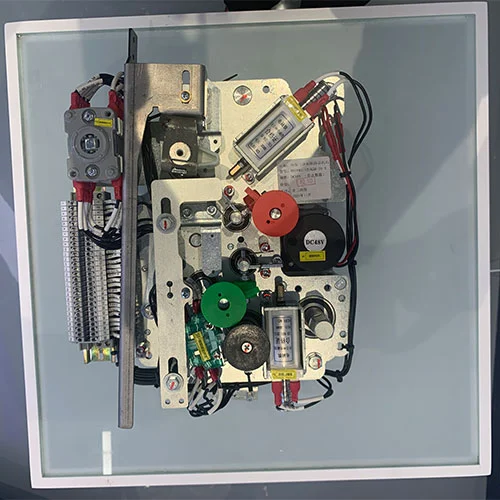
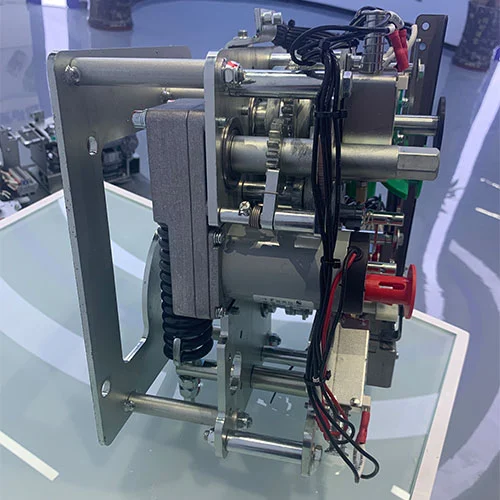
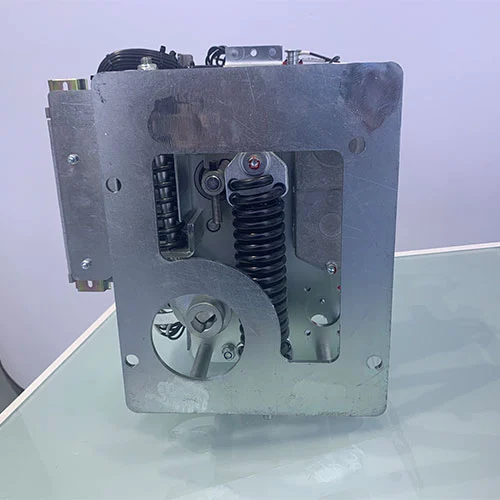
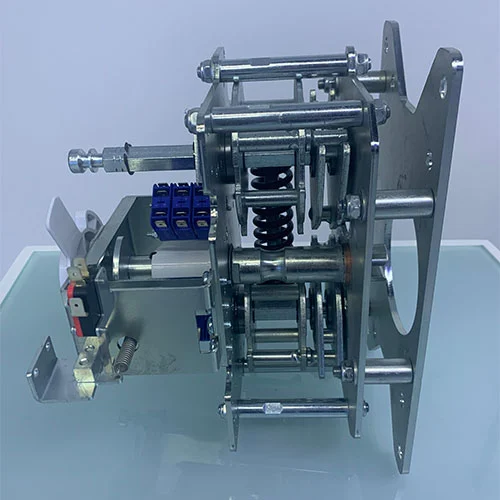
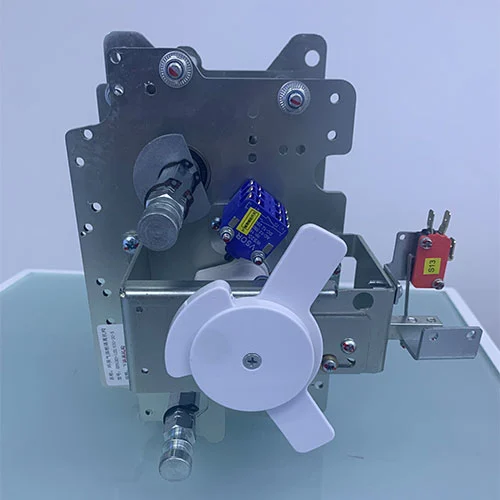
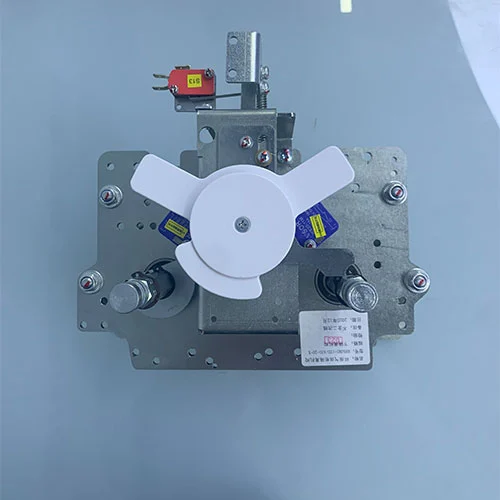
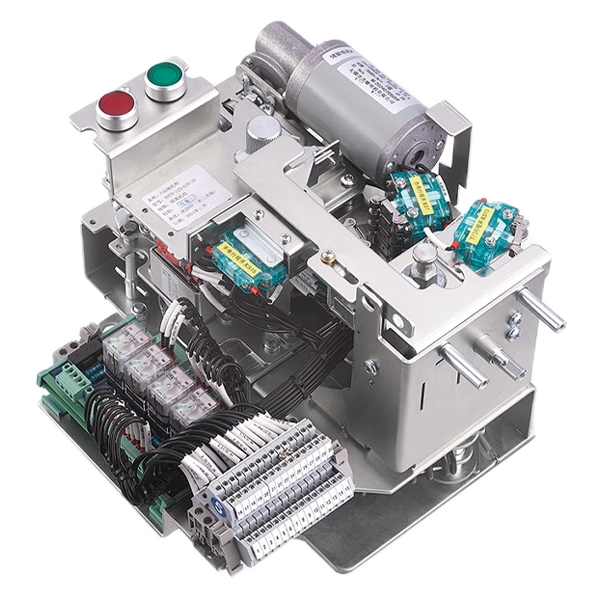
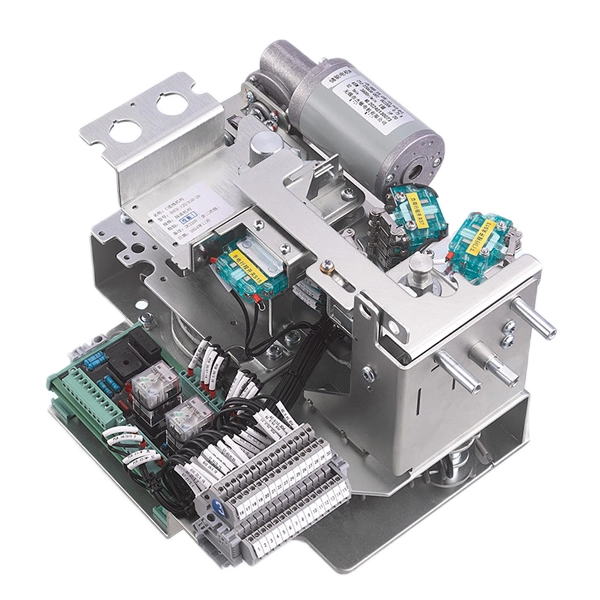
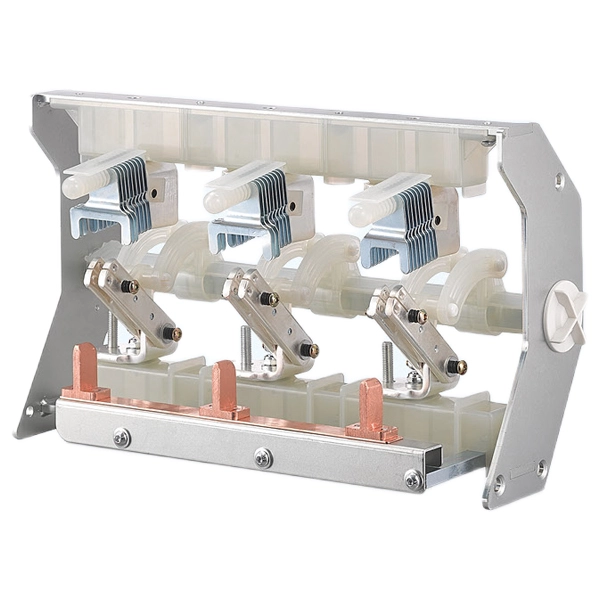
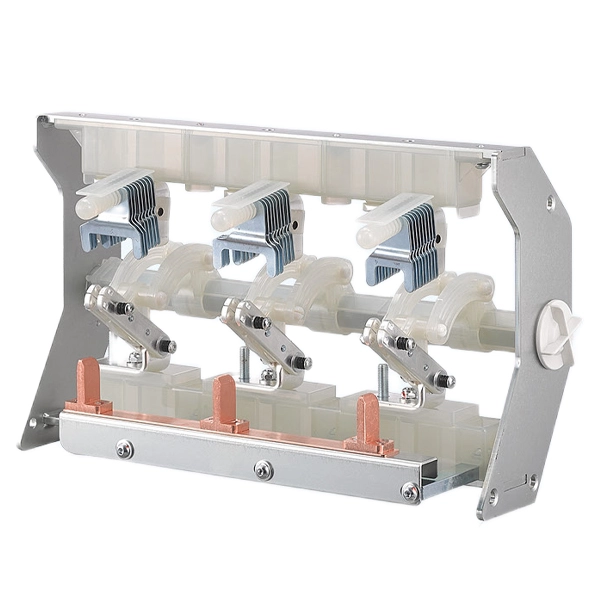
Cotenele company is a supplier for the core components of medium-voltage RMU from China,our KDVM-12/1250-20 series 11KV RMU Electrical Circuit Breaker Disconnector Operating Mechanism are the core components within medium-voltage Ring Main Units (RMUs). These circuit breaker and disconector operating mechanisms support auto-reclosing, The combination of the circuit breaker operating menchanism and disconnector operating mechanism provide secure mechanical interlocking, ensuring high reliability and a substantial mechanical endurance exceeding 10,000 cycles. Both of these two operating mechanisms meet the national standards, including GB1984-2014 for high-voltage AC circuit breakers and GB/T1985-2023 for high-voltage AC disconnectors and earthing switches.
The 11KV RMU Electrical Circuit Breaker Disconnector Operating Mechanism is a core control unit inside medium-voltage Ring Main Units. It is responsible for the precise and rapid operation of vacuum circuit breakers and disconnectors, ensuring safe switching and protection of distribution networks.
Both of the vacuum circuit breaker and the disconnector are the important core components of the medium-voltage ring main units, the operating mechanisms of them are primary used to control and operate these components precisely and rapidly to protect medium-voltage distribution networks. The mechanisms designed for SF6-insulated switchgear, typically employ a dual-energy storage method to ensure operational speed independent of manual input. A common operating mechanism utilizes a tension spring pulled "over-center" to store energy for closing, which upon release simultaneously compresses a separate set of springs to prepare for a subsequent opening operation. This operation ensures high reliability through built-in mechanical interlocks that prevent dangerous sequences, such as closing a breaker onto an earthing blade.
Model and meaning
| KD | VM | 12 | 630 | 20 | X |
|
Company code |
Vacuum circuit breaker operating mechanism |
Rated voltage |
Rated current |
Rated Short-time withstand current | Lower isolator |
Key Advantages
1. Integrated Design
Circuit breaker + disconnector mechanism in one system
2. High Reliability
Mechanical life exceeding 10, 000 cycles
3. Advanced Safety System
Full mechanical interlocking prevents misoperation
4. Flexible Operation
Supports manual + motor + remote control
5. Standards Compliance
Fully meets GB / IEC requirements
6. Proven in Real Projects
Applied in wind farms, substations, railway systems
Some Main Types of Operating Mechanisms in RMUs
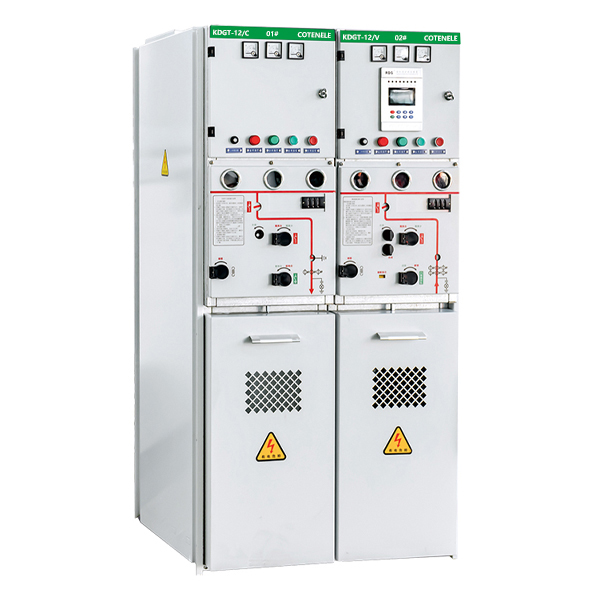
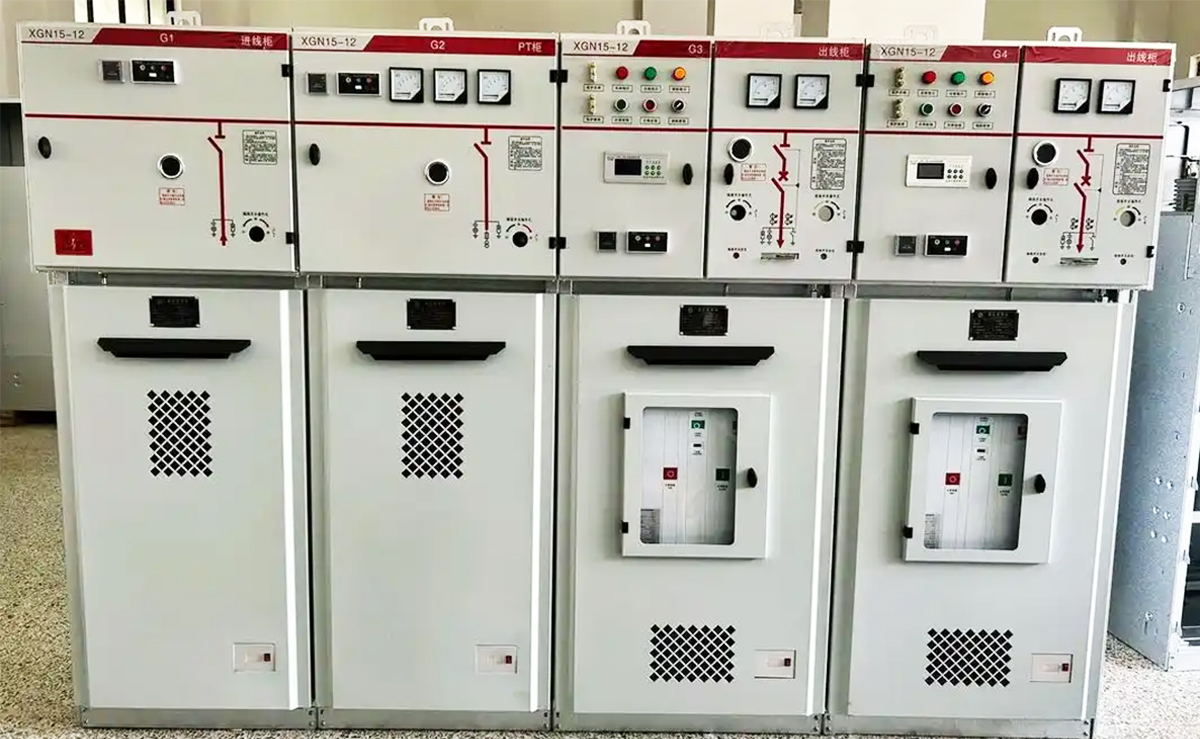
Modern RMUs have lots of types base on their function and the components or components combinaiton in them. This functional classification is commonly represented by letter codes like C, V, and G . Each type is a complete, separate functions to meet the unique operational demands of its respective ring main units.
"C" Mechanism (The Incoming/outgoing Unit): The main function of a "C" type operating mechanism is used for the incoming or outgoing line unit, The incoming line unit is the point where the cable from the primary substation enters the RMU. This unit is essentially a load break switch. Its primary function is to switch the load current and, critically, to make (close onto) a fault. The C-type operating mechanism is robust and reliable for this fault-making capacity. Its operation is typically a three-position function (ON, OFF, and EARTH on the cable side), with strong mechanical interlocks to ensure safe operation. The charging and operational procedures of this operating mechanism apply to a "C" mechanism's control of the load switch .
"V" Mechanism (The Breaker Unit): The "V" mechanism is dedicated to the circuit breaker function, most commonly used for protecting a transformer (the "T-off" or fuse-switch function) . Unlike a simple load switch, a breaker must be able to both make and break fault currents. Therefore, the "V" mechanism is a high-energy, high-speed device. It is almost always a spring-operated mechanism that stores energy for both closing and tripping, ensuring that the opening speed is independent of the operator. This allows it to reliably interrupt high short-circuit currents. The mechanism is also designed to integrate with protection relays and can feature auto-reclosing capabilities . This V-type operating mechanism has a long-term operations life over 10, 000 operations .
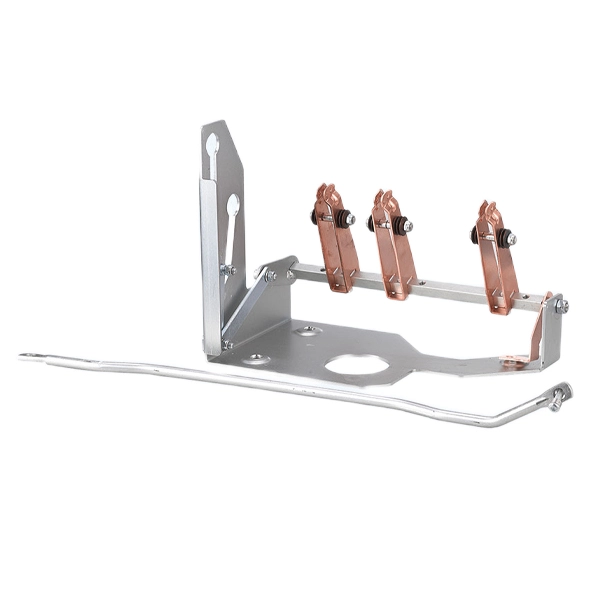
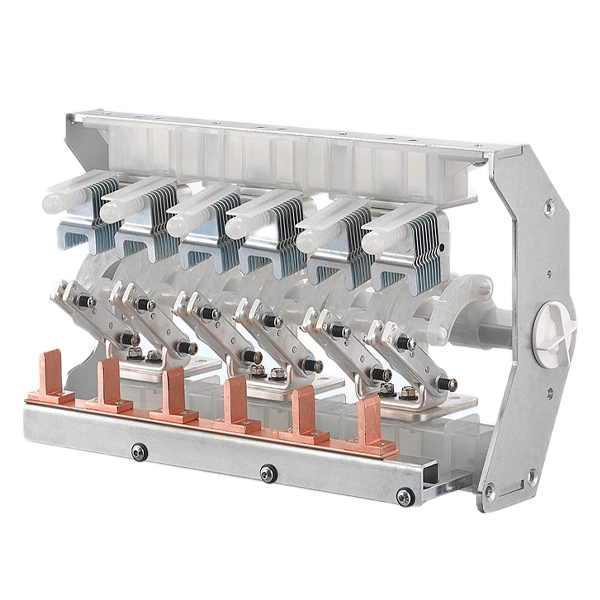
"G" Mechanism (The Earthing Switch/Disconnector): The primrry function of a "G" type operating mechanism is operating the earthing switch which used for safety and isolation, This operating mechanism is providing a visible and verifiable earth connection on the cable side of a circuit for safe operation or the worker, Consequently, the "G" type operating mechanism is not used for making or breaking load current generally. Its operation is strictly interlocked with the associated "C" or "V" mechanism; the "G" mechanism can only be closed (earthing the circuit) when the main switch or breaker is confirmed to be in the OFF position. This interlock is a fundamental safety feature to prevent catastrophic damage.
Operational Instructions
These devices can be operated manually during commissioning or maintenance, or electrically during normal operation. The operation process is typically indicated by mechanical indicator lights and auxiliary switches. The following is the operating procedure for the 11kV RMU Electrical Circuit Breaker Disconnector Operating Mechanism.
A. Storing Energy (Charging)
Before any closing operation the mechanism must be "charged."
Manual charging
Install a fixed operating mechanism on the ring main unit, and then insert the mechanism's dedicated handle into the operating shaft, which is usually located in the lower right part of the operating mechanism. Rotate the handle clockwise until you hear a clear 'click' sound.
Manual charging
Install a fixed operating mechanism on the ring main unit, and then insert the mechanism's handle into the operating shaft, which is usually located in the lower right part of the operating mechanism. Rotate the handle clockwise until you hear a clear 'click' sound. This sound indicates that the closing spring of the operating mechanism has been fully tightened and locked in place. The 'charged' indicator light on the operating mechanism indicates that charging is complete.
Electric charging
If the operating mechanism is equipped with a motor, when the operating mechanism is powered on, the motor will automatically charge the closing spring.The motor circuit is designed to cut off once the springs are fully tensioned, leaving the mechanism in a "ready-to-close" state.
B. Closing operating
Once the mechanism is charged, the breaker can be closed.
Manual closing
This purpose will be succeed through pressing the "I" or green button. This operation will release the locking closing spring, quickly close the circuit breaker contacts, and complete the connection of the main circuit. In the medium voltage ring main unit, the button itself may adopt a two-part design
the actual button in the mechanism and the independent shielded button installed on the cabinet door to improve safety and provide protection level protection.
Electric closing
Energizing closing electromagnet to remote closing command . The piston of the electromagnet will immediately release the closing lock, achieving the same effect as a manual button. After closing, the operation mechanism will automatically begin to compress the opening spring, preparing for the future tripping of the circuit breaker.
C. Opening operating
Interrupt the current flow by the circuit breaker tripping .
Manual Opening
Releasing the pre-compressed opening springs by pressing the "O" or red button triggers. The moving contacts will be aparted by the stored energy drives, then the arc will be extinguished and the circuit will be isolated rapidly
Electric Opening
The shunt trip (opening) solenoid energizes by A remote trip signal. This solenoid will immediately release the opening latch, causing the breaker to open with the same speed and reliability as a manual operation.
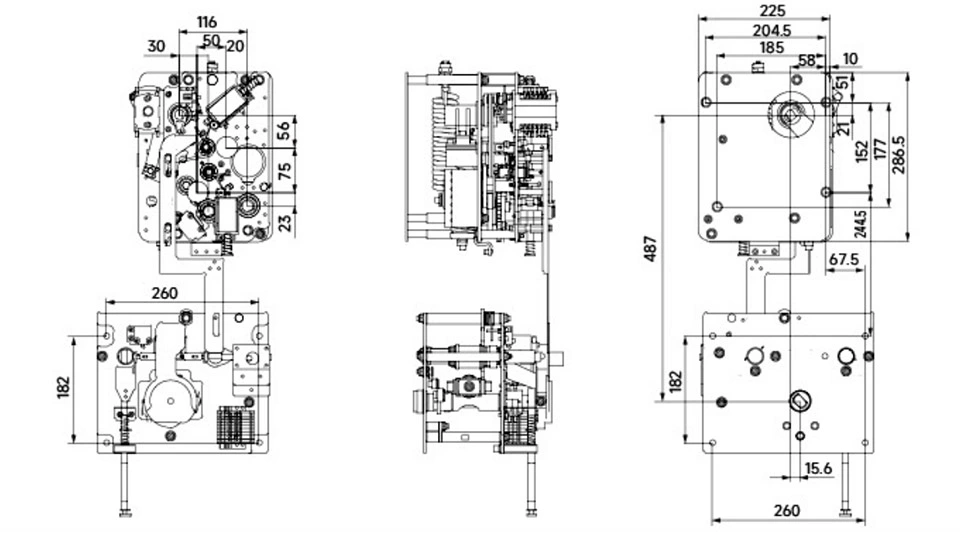
Appearance and Dimensions
Why Choose Cotenele?
1.China-based original manufacturer (not trader)
2. 30, 000㎡ production facility
3. ISO9001 / ISO14001 / ISO45001 certified
4. Multiple patented technologies
5. Long-term cooperation with power companies
6.Stable export experience in global markets
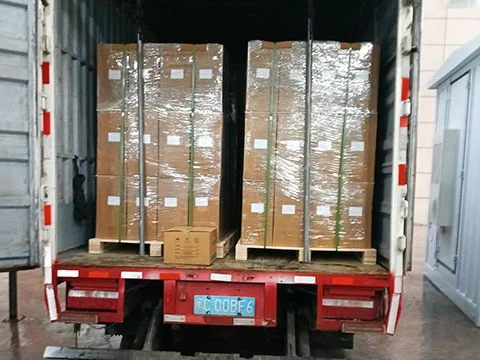
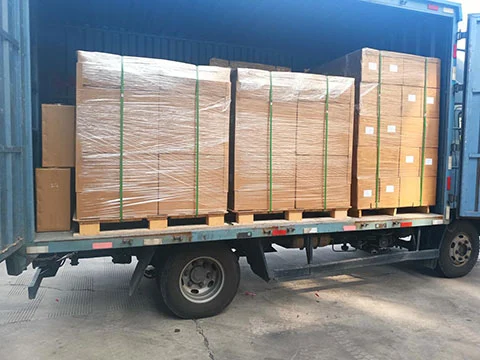
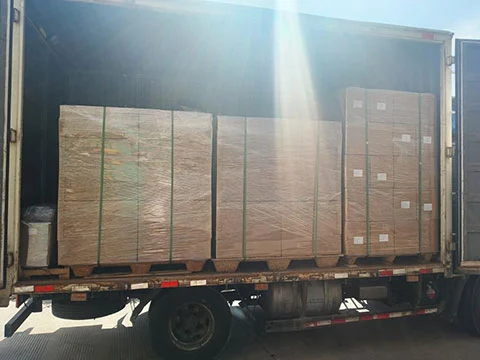
Shipping and Transportation
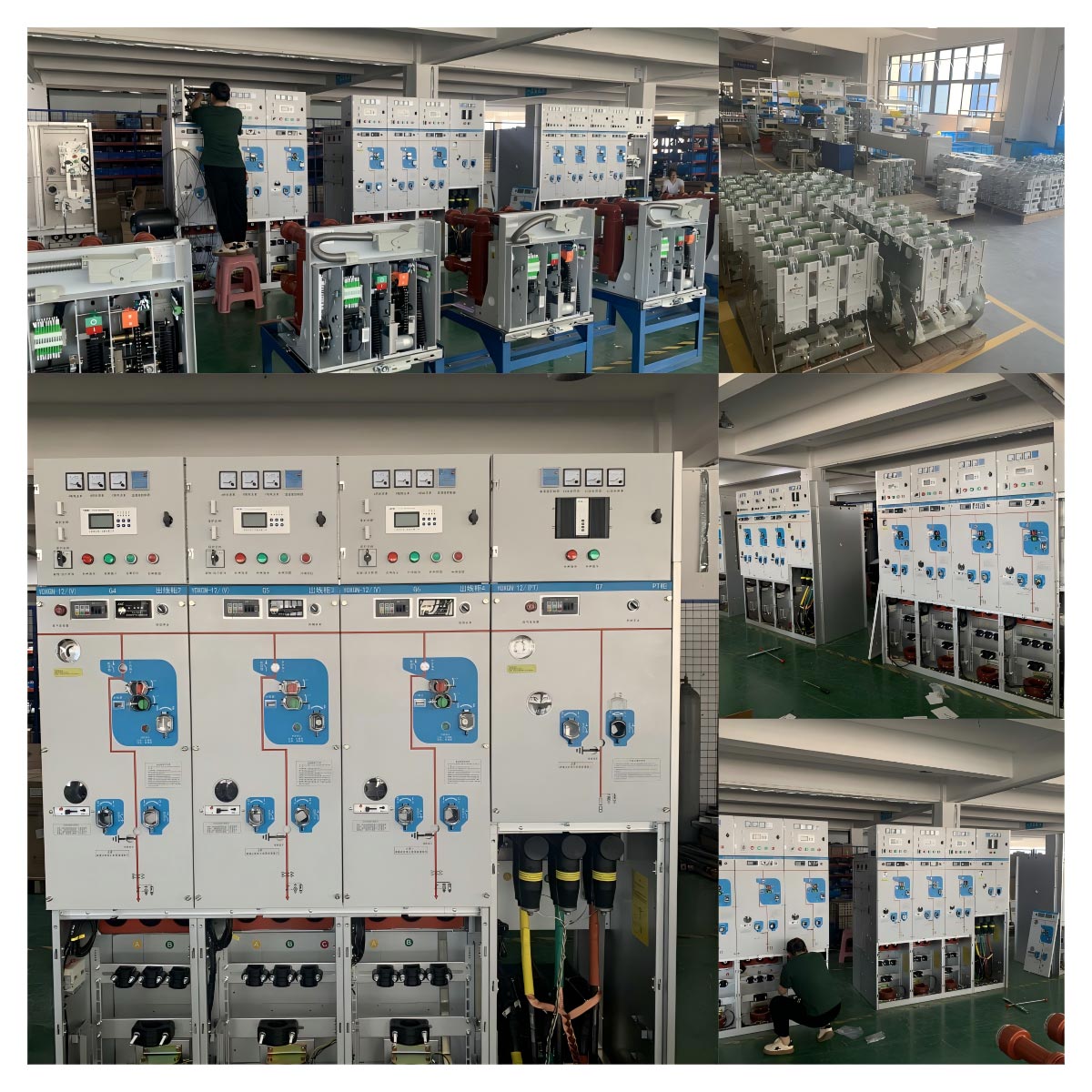
Our Factory
Products Show
Send Inquiry
Contact Info
-
Address
Building 2, Changhong Industrial Park, No. 501 Liule Road, Liushi Town, Yueqing City, Wenzhou City, Zhejiang Province, China
-
Tel
-
Email
Mobile/WhatsApp:
Related Products
News Recommendations