
News
How Aging Power Infrastructure Is Driving the Need for Modern Medium Voltage Solutions
Introduction: The Hidden Crisis in the Grid
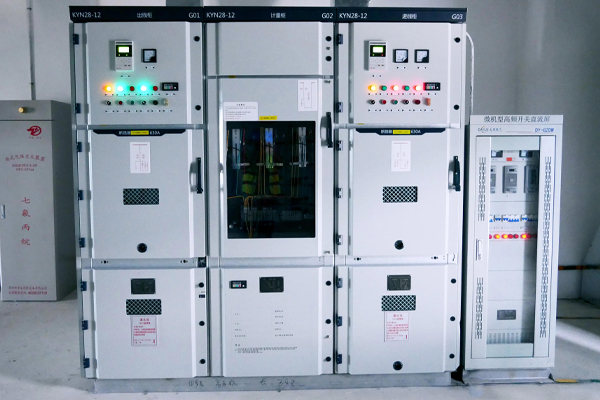
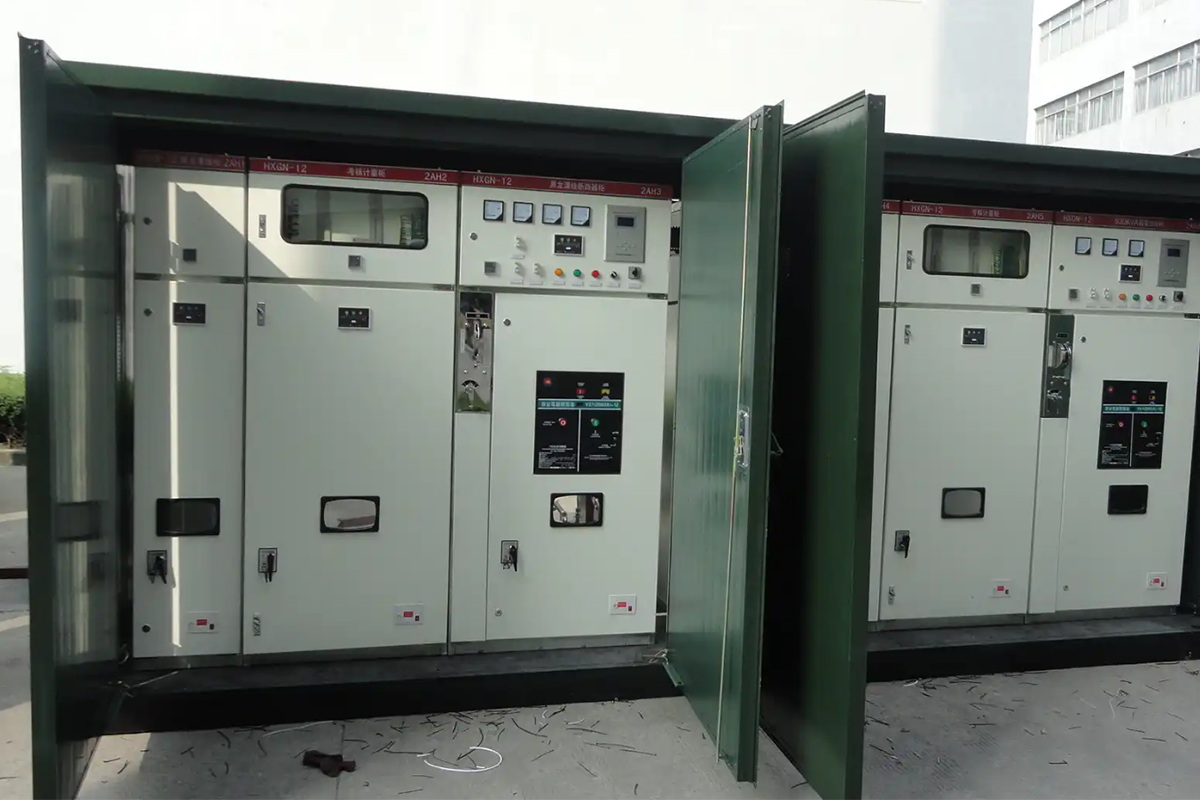
Across the industrialized world, a quiet crisis is unfolding inside the metal cabinets of medium voltage switchgear. Much of the electrical infrastructure that powers cities, factories, and critical facilities was installed decades ago. In Europe, a significant portion of medium voltage switchgear currently in service is more than 30 years old. In North America, the average age of utility substation equipment has been climbing steadily for two decades. Across parts of Asia and the Middle East, rapid urbanization has pushed older equipment beyond its original design limits.
The problem is not simply that the equipment is old. The problem is that the grid around it has changed in ways the original designers never anticipated. Fault levels have increased. Renewable generation has introduced bidirectional power flows and harmonic content. Regulatory requirements for environmental performance and safety have tightened. And the operational cost of maintaining aging equipment—finding spare parts, managing SF₆ leakage, scheduling outages for repairs—is rising every year.
This article examines how aging power infrastructure is creating an urgent case for modern medium voltage solutions, what technical challenges obsolete switchgear presents to today's grid operators, and how the transition to modern vacuum and SF₆-free technology addresses not just reliability, but also compliance, operational cost, and future flexibility.
The Scale of the Problem: Infrastructure That Has Outlived Its Design Life
Most medium voltage switchgear was designed for a service life of 25 to 35 years. A substantial amount of equipment currently in operation in developed economies has already passed that threshold. The implications vary by equipment type, but the underlying pattern is the same: systems designed for a different era are being asked to support a grid that no longer looks like the one they were built for.
Oil circuit breakers, once the standard for medium voltage applications, are still found in older substations across Europe and North America. These breakers use mineral oil as both an insulating and arc-quenching medium. Over time, the oil absorbs moisture, oxidizes, and loses dielectric strength. Contact erosion from fault interruptions deposits conductive particles in the oil, further degrading performance. Most critically, oil is flammable. An internal arc in an oil circuit breaker can cause a tank rupture and fire, a risk that modern safety standards consider unacceptable for indoor installations.
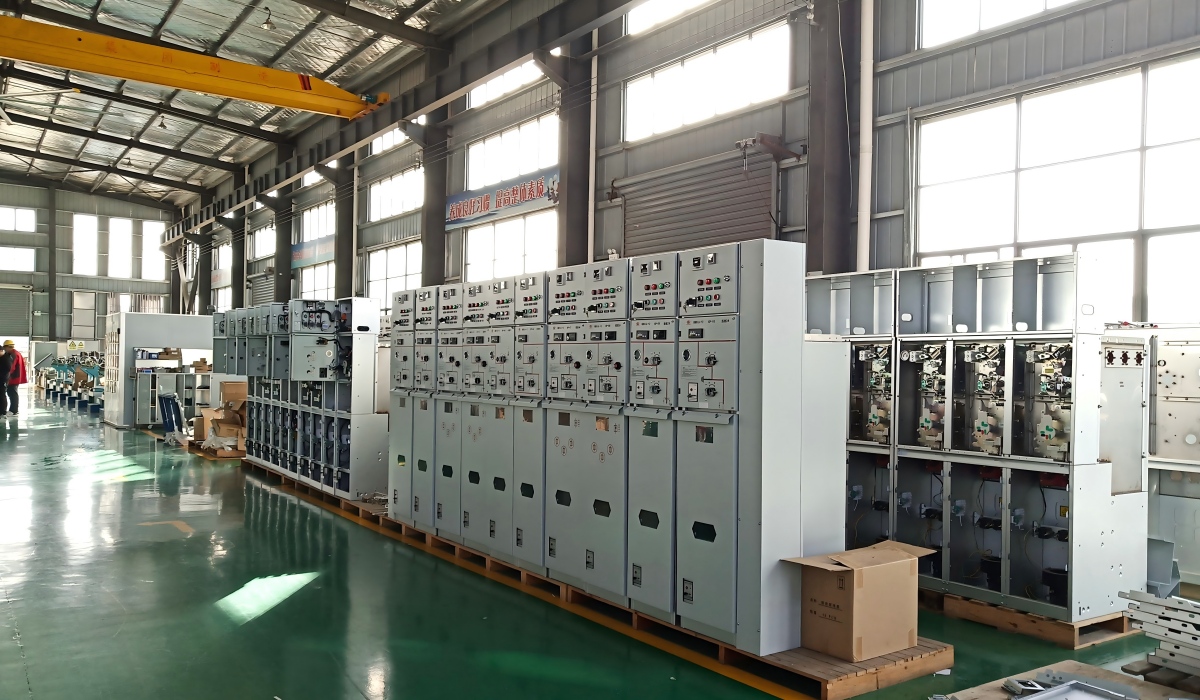
Air-magnetic circuit breakers, another legacy technology, rely on large arc chutes to stretch and cool the arc until it extinguishes. They are physically massive, mechanically complex, and require regular maintenance on contact surfaces that erode with every interruption. Spare parts for these breakers are increasingly difficult to source. In many cases, the original manufacturer no longer exists or has discontinued support for the product line.
Even SF₆ gas-insulated switchgear, which represented a major advance over oil and air when it was introduced, is now facing its own obsolescence. The EU F-gas Regulation has prohibited new SF₆ switchgear up to 24 kV from the European market since January 2026, and similar restrictions are advancing in other regions. Existing SF₆ equipment can continue to operate, but servicing with virgin SF₆ will be prohibited from 2032, and mandatory leak-check requirements have been tightened.
The common thread is that aging switchgear, regardless of technology, imposes three burdens on its operator: rising maintenance cost, increasing difficulty of sourcing spares and service, and growing regulatory and safety risk.
How the Grid Has Changed Around Aging Switchgear
The obsolescence problem is not just about the equipment itself. It is about the mismatch between what the equipment was designed to handle and what the modern grid actually demands.
Fault levels have increased in many distribution networks. Urban densification means more transformers, more feeders, and more connected load in the same geographic area, all of which increase the available short-circuit current at any given point. A switchgear panel rated for 20 kA when it was installed 35 years ago may now be connected to a system where fault current can reach 25 kA or higher. Operating a circuit breaker above its rated interrupting capacity is a catastrophic failure waiting to happen. The protective device may be unable to extinguish the arc, leading to equipment destruction and prolonged outage.
Renewable energy integration has fundamentally altered the character of distribution networks. A traditional radial feeder carried power in one direction, from the substation transformer out to the loads. Fault current came from a single source: the upstream grid. Modern distribution networks with significant solar PV, wind, and battery storage have multiple sources of fault current and bidirectional power flows. Protection coordination schemes designed for unidirectional flow may fail to operate correctly in this environment. This is particularly acute in industrial facilities and commercial campuses that have added on-site generation without upgrading their medium voltage switchgear.
Power quality requirements have tightened. Modern industrial processes rely on sensitive power electronics that tolerate neither voltage sags nor harmonic distortion. Data centers, semiconductor fabs, and pharmaceutical plants specify power quality at levels that legacy switchgear—with its slower protection relays and limited monitoring capability—cannot guarantee.
The load profile has also changed. Electric vehicle charging infrastructure, heat pumps, and data centers impose load patterns that were not anticipated when most existing medium voltage switchgear was specified. Frequent load cycling, high harmonic content, and sustained near-rated operation stress circuit breakers in ways that the original design margins may not accommodate.
The Maintenance Trap: When Keeping Old Equipment Running Costs More Than Replacing It
For asset managers, the financial case for retaining aging switchgear often appears straightforward on paper. The equipment is already depreciated. The capital budget for replacement is hard to secure. Maintenance costs, while rising, are operational expenditures that can be absorbed year by year.
This accounting logic breaks down when the true cost of maintaining obsolete equipment is fully accounted for.
Spare parts availability is the most immediate challenge. Vacuum interrupter bottles for legacy breaker designs may no longer be in production. Arc chutes for air-magnetic breakers require specialized foundry work that few suppliers still perform. Protection relay modules for discontinued product lines are available only on the secondary market, if at all. When a critical spare part cannot be sourced, a single breaker failure can take an entire substation section offline for weeks while a custom replacement is fabricated—if fabrication is even possible.
SF₆ handling costs are rising. Under the tightened EU F-gas Regulation, even existing SF₆ equipment requires more frequent leak checks and more rigorous documentation. The cost of SF₆ gas itself is increasing as production volumes decline and regulatory fees rise. After 2032, when servicing with virgin SF₆ is prohibited, operators will depend on reclaimed gas, the supply of which is uncertain and the cost of which is unpredictable.
Outage windows are becoming harder to arrange. In many industrial and commercial facilities, production schedules no longer allow for extended shutdowns. Data centers operate 24/7 with contractual uptime guarantees. Renewable energy assets must maximize generation hours to meet financial targets. Taking a bus section out of service for breaker maintenance—which might have been routine when the equipment was new and downtime was less costly—is now a significant operational event requiring extensive planning and justification.
The result is a maintenance trap. The older the equipment gets, the more maintenance it needs. The more maintenance it needs, the more outage time is required. The more outage time is required, the harder it is to schedule in a facility that cannot afford to stop. Eventually, maintenance is deferred because the operational cost of doing it exceeds the perceived risk of not doing it—a gamble that can end in equipment failure with consequences far more expensive than the maintenance would have been.
Safety and Environmental Liability
Aging switchgear carries safety risks that modern equipment is specifically designed to eliminate. The most serious of these is internal arc fault containment.
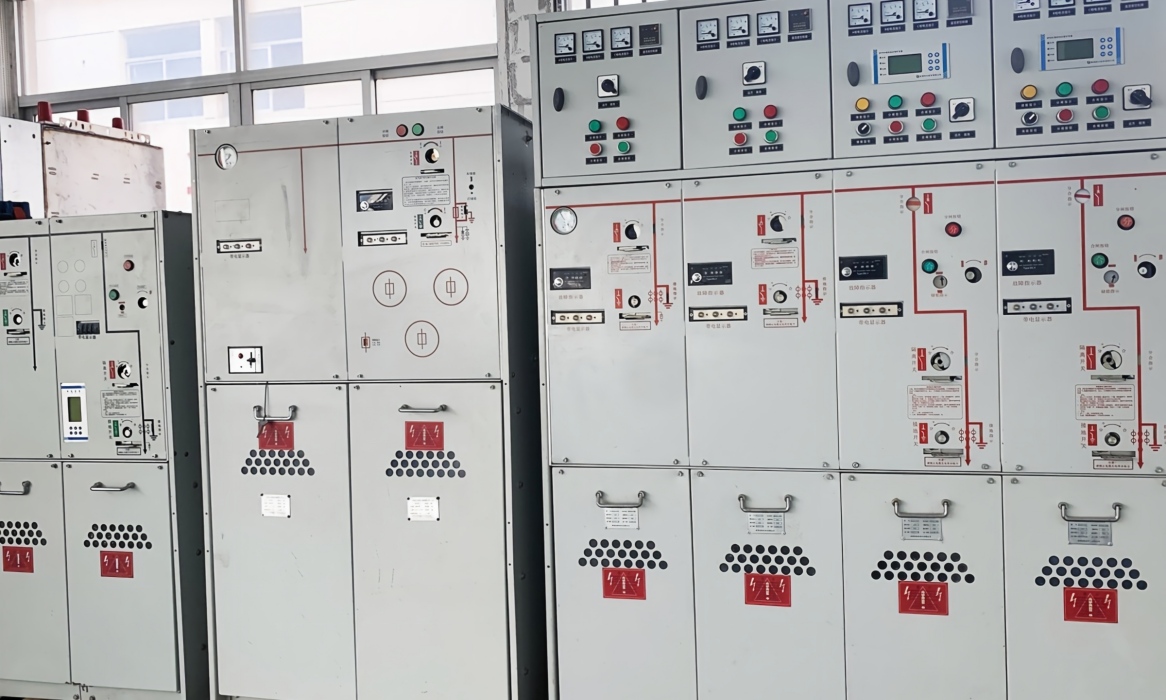
When an internal arc occurs inside a switchgear panel—caused by insulation failure, moisture ingress, or accidental contact during maintenance—the energy release is explosive. The arc vaporizes metal and expands the surrounding air or gas with such force that it can blow panels open, eject hot gases and molten metal, and severely injure anyone in the vicinity. Modern medium voltage switchgear is designed with internal arc classification, meaning it has been tested to contain a specified fault level for a specified duration without endangering personnel. Legacy equipment was rarely designed or tested to this standard.
Oil circuit breakers carry the additional risk of fire and explosion. An internal arc in oil generates combustible gases. If the pressure relief device fails to vent them fast enough, the tank can rupture. Oil fires in substations are notoriously difficult to extinguish and can spread to adjacent equipment.
Environmental liability is another dimension of the problem. An aging SF₆-filled RMU that develops a slow leak releases a gas with a global warming potential 24,300 times that of CO₂. Under current EU regulations, the operator is responsible for detecting, reporting, and repairing that leak. Failure to do so can result in financial penalties and reputational damage. For operators with large fleets of SF₆ equipment spread across multiple sites, the administrative burden alone is substantial.
The Modernization Pathway: What Replacement Solutions Look Like
The good news for asset managers and grid planners is that the technology to replace aging medium voltage switchgear is mature, proven, and available. The transition pathway is not a research project—it is a procurement and project management exercise with well-understood options.
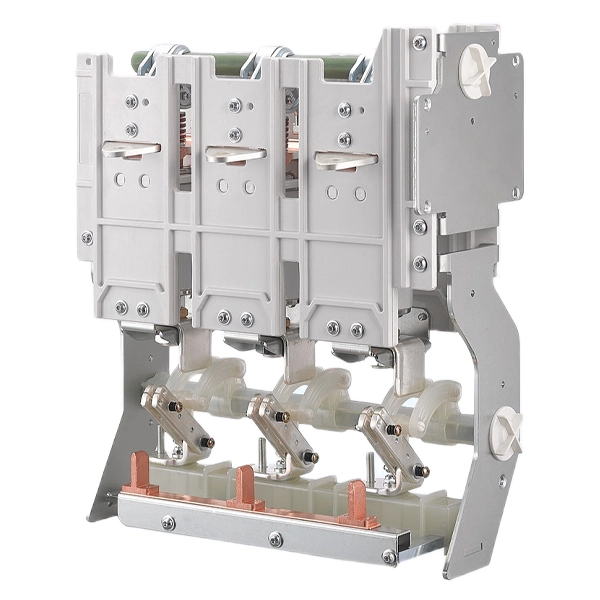
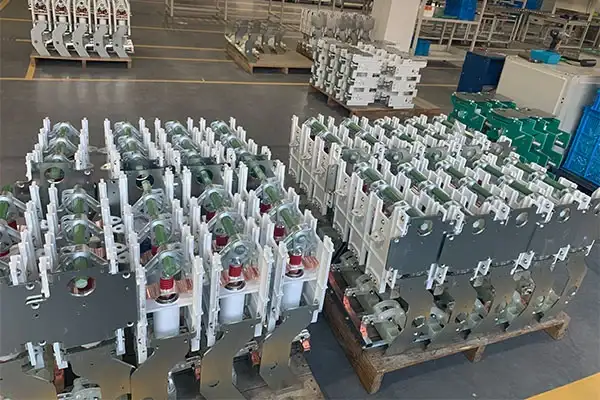
Vacuum circuit breakers are the standard replacement for oil and air-magnetic breakers in medium voltage applications. A vacuum interrupter extinguishes the arc inside a sealed ceramic bottle. There is no oil to test, filter, or replace. There is no gas to leak. The interrupter is maintenance-free for its entire service life, which can exceed 30 years under normal operating conditions. Modern VCBs with M2-class spring mechanisms are rated for 10,000 mechanical operations, making them suitable for the frequent switching that renewable energy integration and modern industrial processes demand.
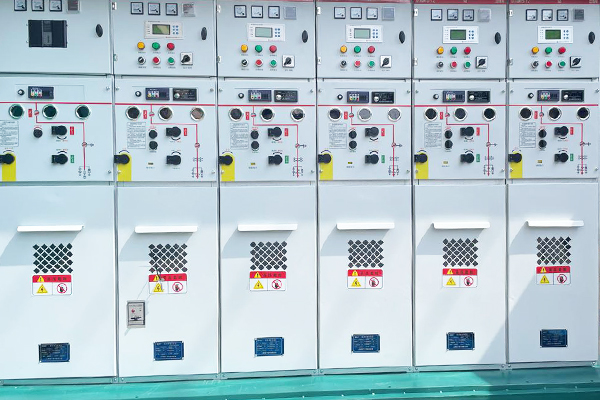
SF₆-free gas-insulated switchgear replaces SF₆ with dry air or nitrogen as the insulating medium. The sealed stainless steel tank requires no gas monitoring, no refilling, and no end-of-life gas recovery. For utilities and industrial operators replacing aging SF₆ RMUs, the dry air alternative offers the same compact footprint and the same electrical performance, without the environmental liability and the rising compliance cost.
Digital integration is a capability that legacy switchgear simply does not have. Modern protection relays communicate via IEC 61850, providing real-time data on switch position, fault records, and equipment condition. Partial discharge sensors can detect insulation degradation before it leads to failure. Temperature monitoring at critical connection points can identify loose bolted joints before they overheat. For an operator managing multiple substations, this data enables condition-based maintenance—fixing things when they need fixing, not on a calendar schedule, and not after they have already failed.
COTENELE supplies 12kV to 40.5kV vacuum circuit breakers and SF₆-free ring main units to utilities, industrial plants, and renewable energy developers undertaking infrastructure modernization projects. Our VCBs use epoxy resin pole insulation and maintenance-free vacuum interrupters. Our RMUs use dry air as the insulating medium in sealed-for-life stainless steel tanks. Both product lines are type-tested to applicable IEC standards, with complete documentation provided at tender stage.
The Economic Case for Replacement
The decision to replace aging switchgear is ultimately a financial one, and the financial case has strengthened considerably in recent years.
The most straightforward comparison is between the rising cost of maintaining old equipment and the capital cost of installing new equipment. Maintenance cost for aging switchgear is not linear. As equipment passes 30, 35, and 40 years of service, maintenance interventions become more frequent, more complex, and more expensive. Spare parts costs escalate as supplies dwindle. Specialized service providers charge premium rates for expertise on obsolete equipment.
A 2024 lifecycle cost analysis by an independent consultancy compared retaining a population of aging SF₆ RMUs versus replacing them with dry air equivalents over a 20-year period. When SF₆ leak detection, gas replenishment, mandatory reporting, and projected carbon pricing were included, the dry air replacement achieved total cost parity within 12 years, with savings accumulating thereafter. For operators with large equipment fleets, the cumulative savings were substantial.
Beyond direct maintenance costs, the avoided cost of failure is a critical factor that traditional ROI calculations often overlook. A single internal arc event in an unprotected switchgear panel can destroy the panel, damage adjacent equipment, and cause an outage lasting days or weeks. For a data center, the cost of a day of downtime can exceed seven figures. For an industrial plant, the cost of lost production can dwarf the cost of the switchgear itself. Modern switchgear with internal arc classification and comprehensive condition monitoring reduces the probability of such events.
There is also the cost of non-compliance. Operators who fail to meet tightened SF₆ leak-check and reporting requirements face regulatory penalties that vary by jurisdiction but are universally increasing. The EU F-gas Regulation includes provisions for member states to impose fines that are "effective, proportionate, and dissuasive."
Practical Steps for Infrastructure Assessment
For asset managers considering a switchgear modernization program, several practical steps can clarify the scope, urgency, and business case.
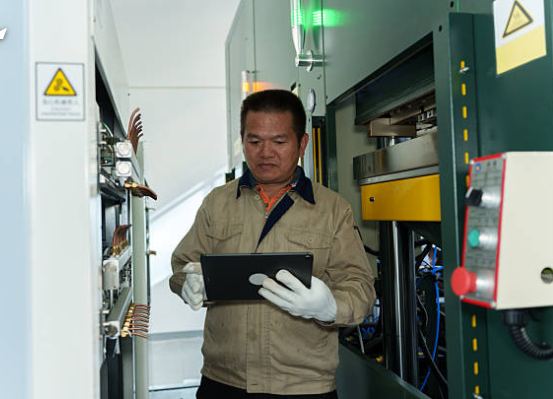
Conduct a condition assessment.Inventory all medium voltage switchgear by age, technology type, and operating history. Document known issues, recent failures, and maintenance frequency. Equipment over 30 years old, equipment with obsolete protection relays, and SF₆ equipment with a history of leaks should be prioritized.
Perform a fault level study.The available short-circuit current at each switchgear location should be recalculated based on current grid configuration and projected future generation. Any breaker with an interrupting rating below the calculated fault level is a priority replacement.
Audit SF₆ inventory and leakage.For operators subject to F-gas regulations, accurate records of SF₆ inventory, leakage rates, and maintenance interventions are now a compliance requirement. The audit itself may reveal data gaps that need to be addressed.
Evaluate the maintenance cost trend.If maintenance spend on aging equipment is increasing year over year, project that trend forward and compare it to the amortized cost of replacement. Include the cost of outage windows in the calculation.
Engage suppliers early.For large modernization programs, the lead time for switchgear can be substantial—particularly for SF₆-free equipment, where production capacity is ramping up to meet growing demand. Early engagement with qualified manufacturers secures production slots and avoids project delays.
Conclusion
Aging power infrastructure is not a problem that will solve itself through incremental maintenance. The equipment at the heart of the medium voltage distribution system—the circuit breakers, the ring main units, the busbar connections—has a finite service life. When that life is exceeded, the cost of keeping old equipment running eventually exceeds the cost of replacing it with modern technology.
The transition to modern medium voltage switchgear is an opportunity to address multiple challenges simultaneously. Replacing an oil circuit breaker with a vacuum circuit breaker eliminates the fire risk, reduces maintenance to near zero, and provides 30 years of reliable service. Replacing an SF₆ RMU with a dry air RMU eliminates the environmental liability, removes the compliance burden, and future-proofs the installation against tightening regulations. Adding digital monitoring and IEC 61850 communication turns the switchgear from a passive component into an active participant in grid management.
For COTENELE, supporting infrastructure modernization means providing vacuum circuit breakers and SF₆-free RMUs that are type-tested, documentation-ready, and in serial production. It means working with utilities, industrial operators, and EPC contractors to specify the right equipment for each application, and delivering it with the documentation package that consultants and regulators require.
The grid is changing. The equipment that controls it needs to change too. The technology exists. The economic case is clear. The only variable left is the speed at which modernization programs are implemented—and the cost of waiting is rising every year.
Looking for Modern Medium Voltage Solutions?COTENELE supplies 12kV to 40.5kV vacuum circuit breakers, SF₆-free ring main units, and complete metal-clad switchgear for infrastructure modernization, utility distribution, industrial plants, and renewable energy applications. All products are type-tested to applicable IEC standards with full documentation provided at tender stage.About COTENELE
COTENELE is a specialized manufacturer of medium voltage switchgear, including SF₆-free eco-friendly gas insulated switchgear, vacuum circuit breakers, ring main units, and metal-clad panels for 12 kV to 40.5 kV applications. Our products serve utilities, data center operators, renewable energy developers, and industrial buyers undertaking infrastructure modernization across Europe, Asia, and the Middle East. Every product is type-tested to applicable IEC standards, with complete documentation provided for tender submission and project delivery.
Related News
- Smart Ring Main Units: Key Trends in Medium-Voltage Distribution Networks
- 24kV SF6-Free Switchgear Gains Momentum as Medium-Voltage Distribution Moves Toward Low-Emission Technologies
- How Can Medium Voltage Switchgear Improve Power Distribution Safety and Efficiency?
- How Does a Cable Distribution Box Improve Cable Management and Electrical Safety?
- How Low Voltage Switchgear Improves Electrical Safety and Power Management?
- How Does a Ring Main Unit Improve Power Distribution Reliability?
Leave me a message