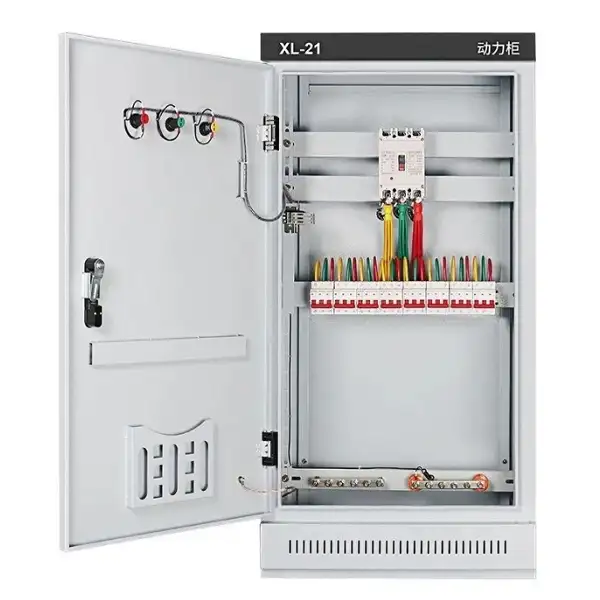
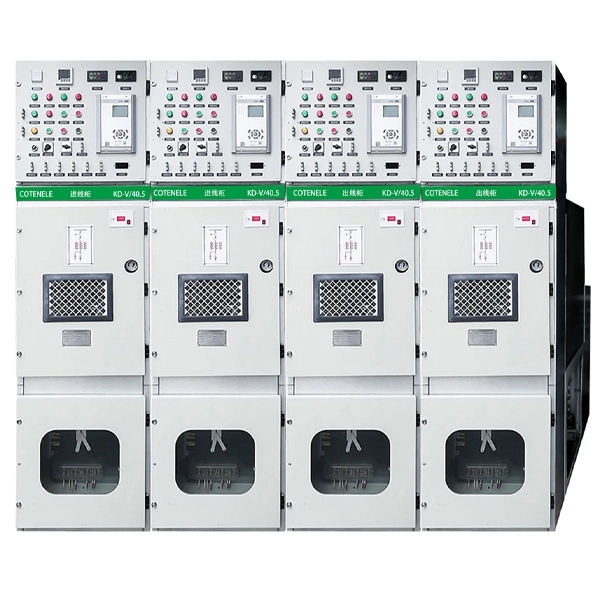
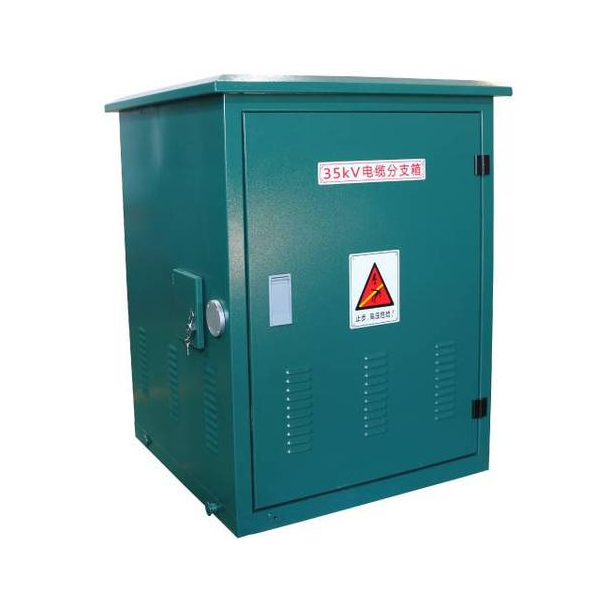
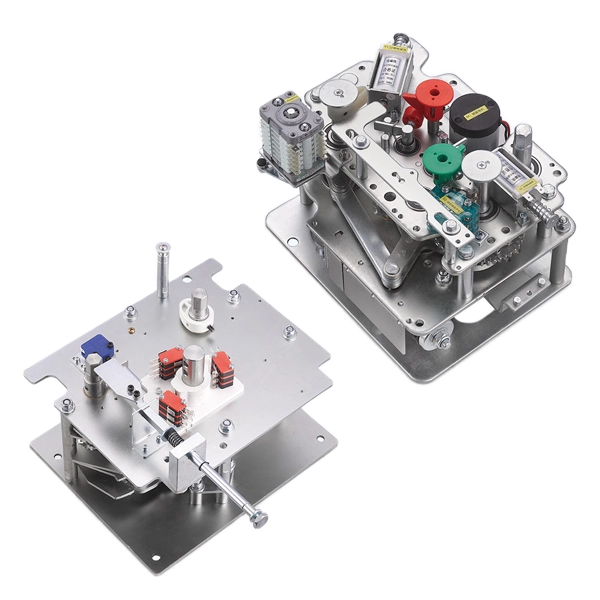
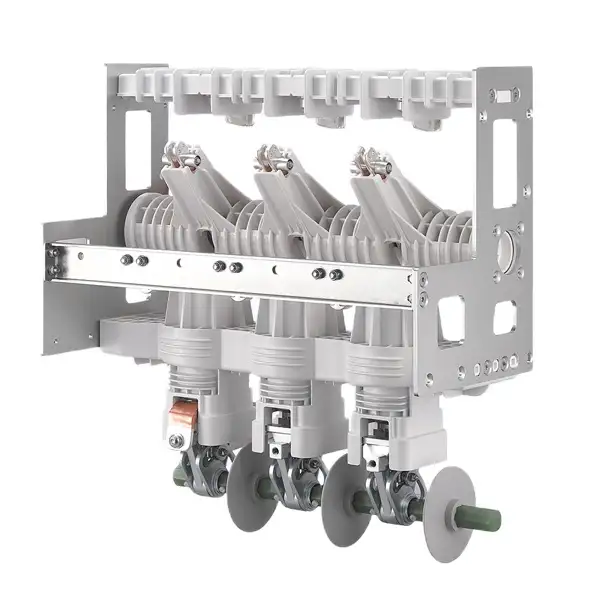
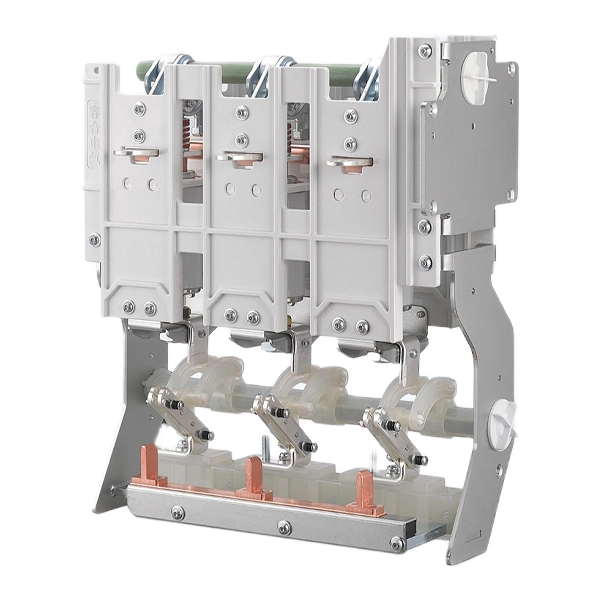
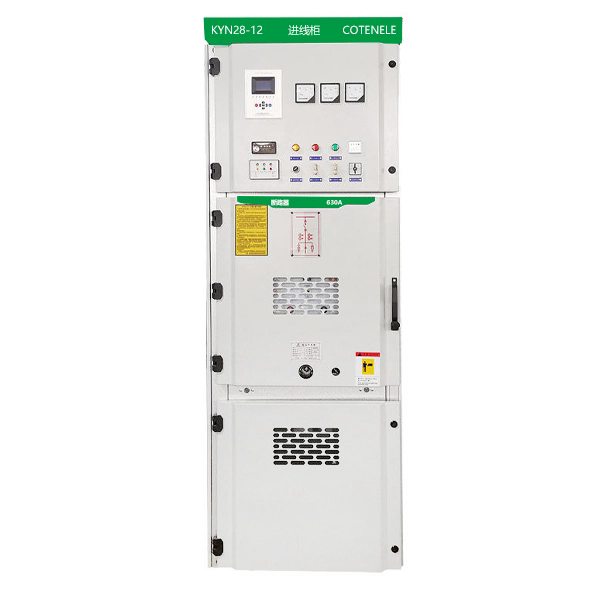
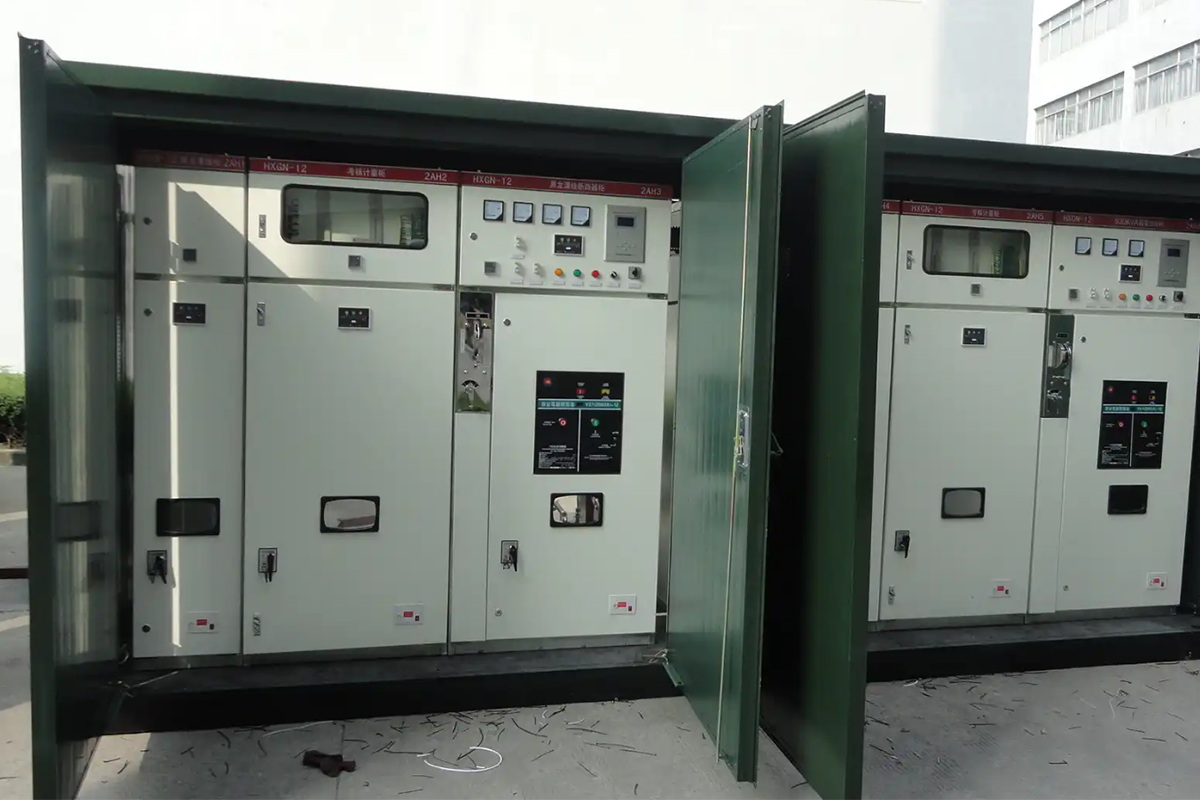
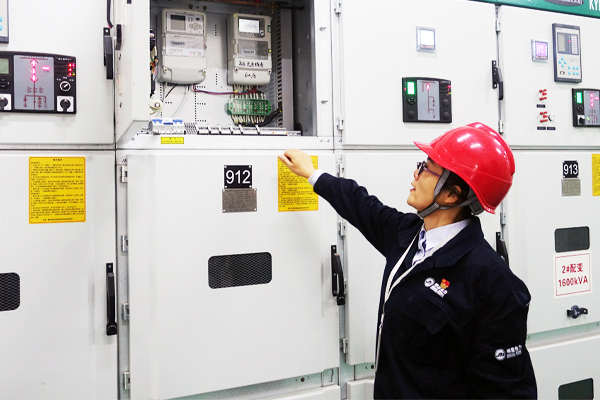
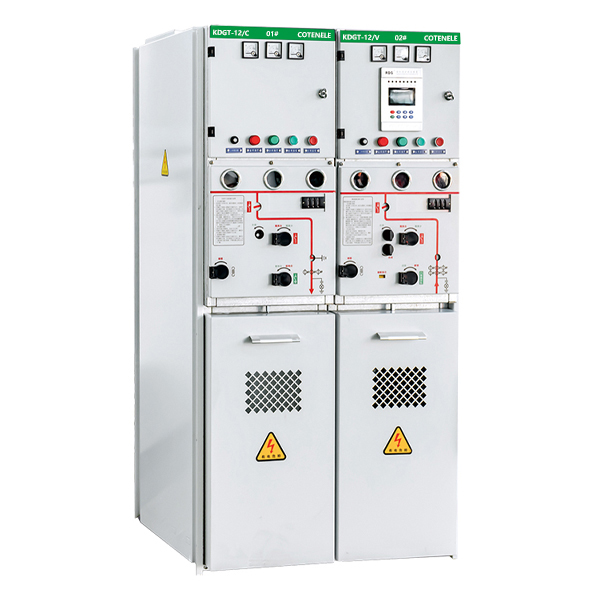
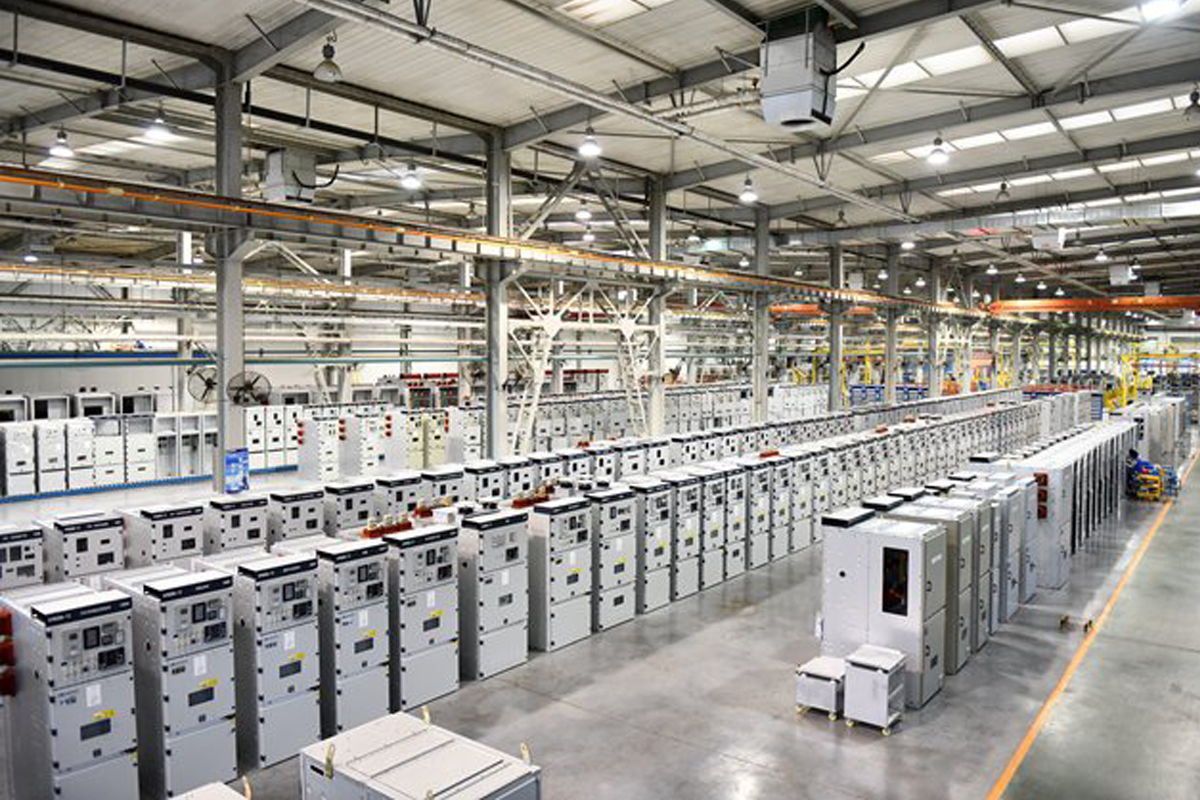
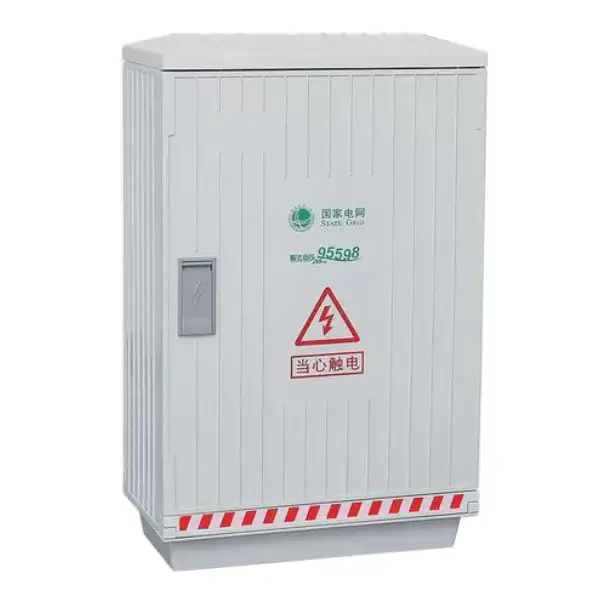
Medium-voltage switchgear plays an indispensable role in modern power infrastructure. Serving as the control node between power generation, transmission, and end-user consumption, this equipment is responsible for closing and opening normal load currents while automatically interrupting fault currents under short-circuit conditions, thereby protecting connected transformers, lines, and generators. Typical applications include industrial plant distribution, commercial buildings, wind farms, and photovoltaic power stations.
In recent years, advances in solid-insulation and gas-insulated technologies have significantly improved equipment compactness and environmental adaptability. Maintenance-free vacuum circuit breakers combined with intelligent protection relays enable remote monitoring, fault recording, and self-diagnostic functions. Through Ethernet integration with substation automation systems, operators can perform switching operations and load dispatching from a control center, greatly reducing on-site risks. For humid, polluted, or high-altitude environments, specially designed anti-condensation and enhanced insulation products have further expanded application boundaries.
Looking ahead, medium-voltage switchgear is evolving toward smaller dimensions, lower energy consumption, and higher reliability. Digital twin technology is expected to play a greater role in lifecycle management by comparing the physical asset with its virtual model in real time, predicting contact wear and mechanism sticking trends. Meanwhile, environmentally friendly insulating gases to replace sulfur hexafluoride have become an industry research focus. Driven by both large-scale renewable energy integration and aging grid renovation, medium-voltage switchgear remains a critical element for ensuring power supply continuity and safety.
We use cookies to offer you a better browsing experience, analyze site traffic and personalize content. By using this site, you agree to our use of cookies. Privacy Policy