Products
Trusted Low Voltage Switchgear Manufacturer
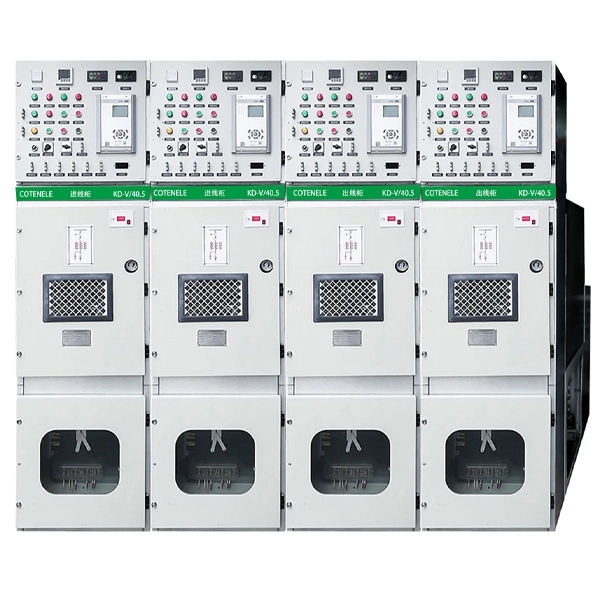
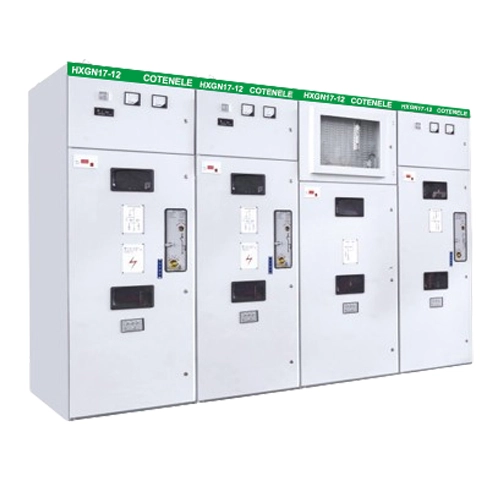
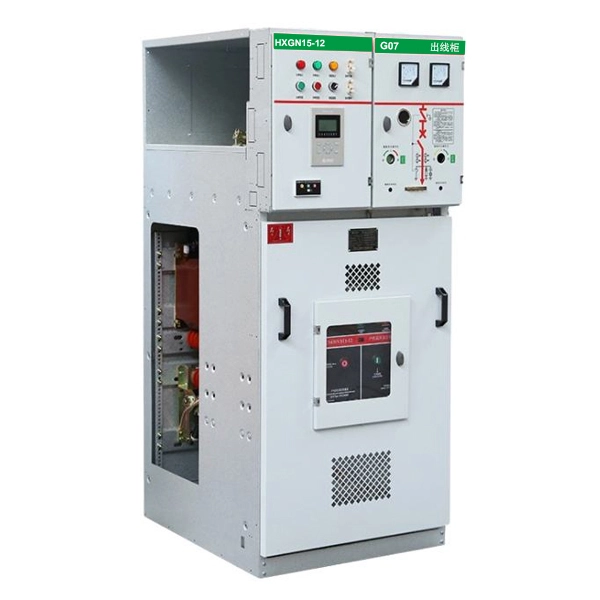
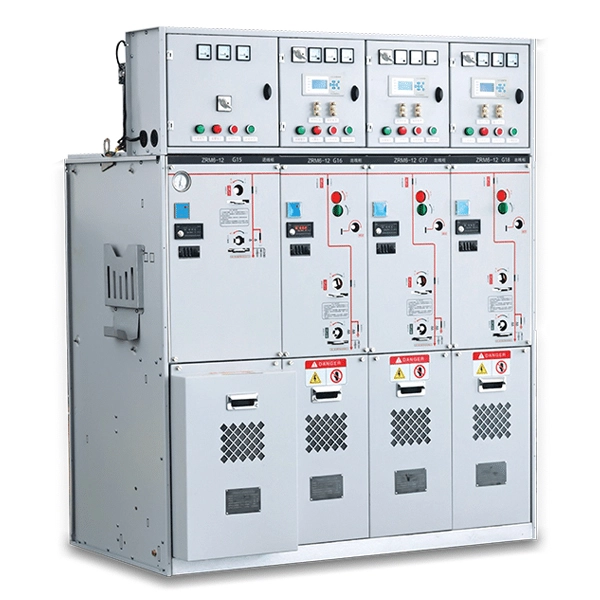
Cotenele is a large low-voltage switchgear manufacturer and exporter in China,our low-switchgear includes MNS,GCK,GCS drawer-type cabinets and GGD fixed-type cabinets.In modern power systems, it play an indispensable role. As the critical link in the “last mile” of power transmission, low-voltage switchgears are a key infrastructure at the end of the energy chain. Their stability, efficiency, and intelligence directly affect the safety and quality of economic and social operations.

- View as
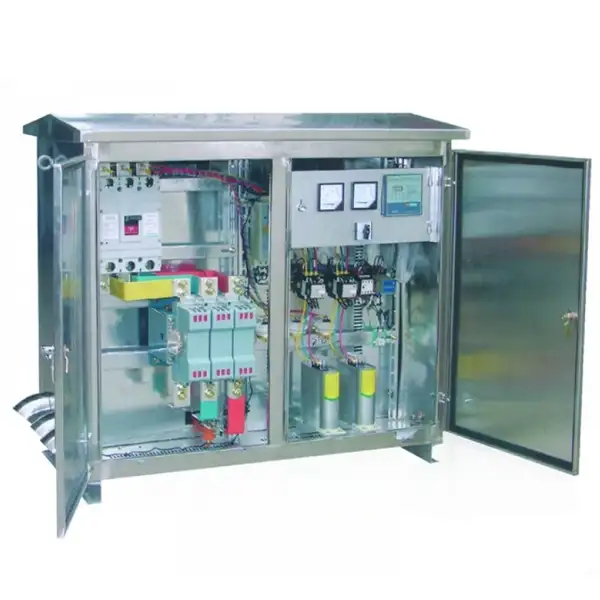
JP Low Voltage Distribution Box LV Switchgear
The JP Low Voltage Distribution Box LV Switchgear is a power equipment "multi-functional integrated station" designed to adapt to outdoor environments. The Cotenele JP distribution box integrates multiple functional modules into a sturdy outdoor enclosure, mainly including power distribution, power metering, protection functions, as well as control and reactive power compensation.The function of control and reactive power compensation is one of the core functions of the JP series low-voltage integrated distribution box, which can automatically switch on and off capacitor banks according to the grid load to compensate for reactive power, thereby significantly improving the power factor of the grid, reducing line losses, and improving voltage quality.
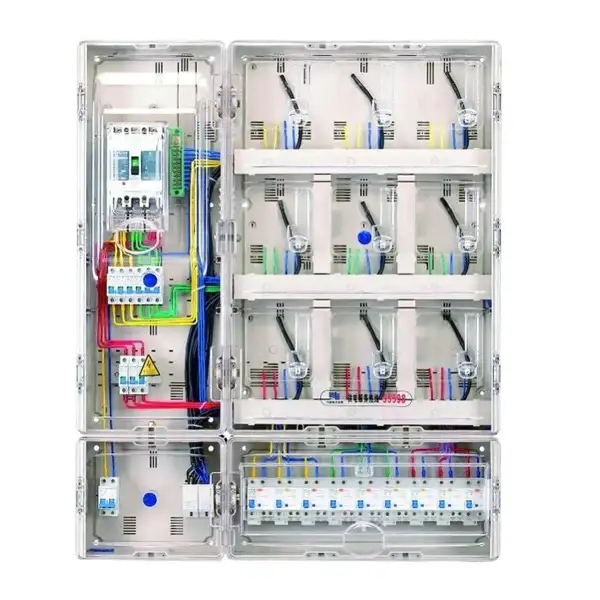
JXM Transparent Anti-Tampering Service Connection Box
JXM Transparent Anti-Tampering Service Connection Box is a common distribution equipment in the market and also one of the conventional low-voltage series products of Cotenele.The JXM Transparent Anti-Tamper Urban Network Metering Box is a non-metallic transparent metering enclosure that integrates multiple power metering and protection components (such as miniature circuit breakers and electricity meters) into a compact terminal metering device.
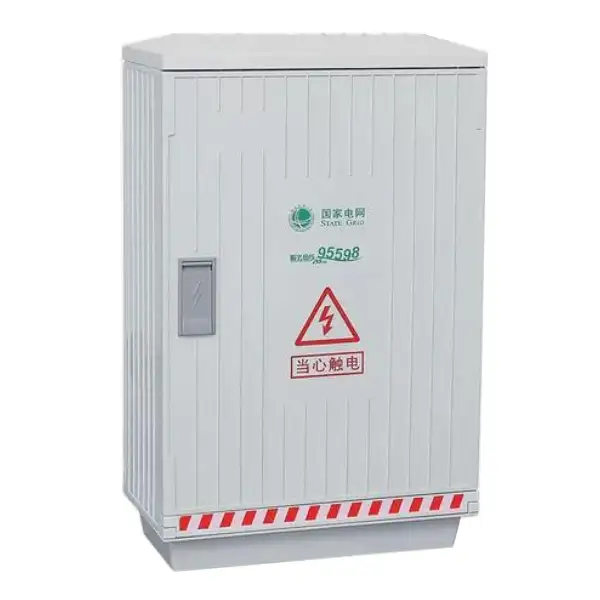
Low Voltage Cable Junction Box
COTENELE is a stable supplier of Low Voltage Cable Junction Boxes for China State Grid and Southern Power Grid. Over the years, our products have won recognition from customers and markets both domestically and internationally. The cable branch box is a key equipment at the end of the distribution network, responsible for distributing electrical energy from the main cable to various end users. It is widely used in urban power grids, residential areas, industrial parks and other places, and is an important means to achieve cable network power supply.
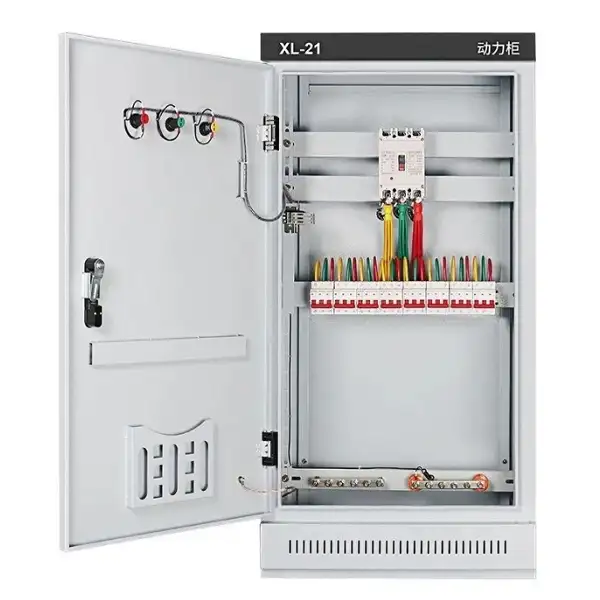
XL-21 Low Voltage Motor Control Center LV Switchgear
The XL-21 Low Voltage Motor Control Center LV Switchgear is the most common type of low-voltage switchgear in low-voltage distribution systems,Cotenele is a large supplier of this type low-voltage switchgear.This XL-21 series low-voltage switchgear is widely used in the distribution and control of three-phase power equipment such as motors, fans, pumps, lighting systems, etc. in industrial and civil buildings.
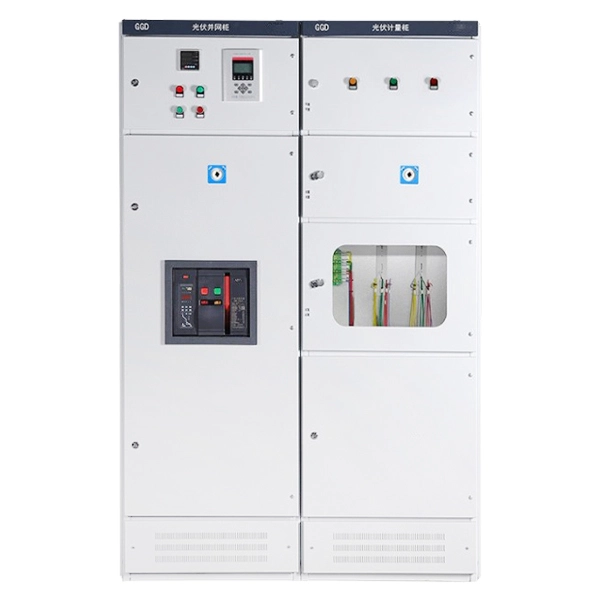
GGD Low Voltage Switchgear LV Panel
In China's low-voltage distribution system,The GGD Low Voltage Switchgear LV Panel is a common distribution equipment. As a large power distribution equipment manufacturer, our products are reliable in quality, stable in performance, sturdy and durable, and have received high praise from customers at China and abroad market for a long time.
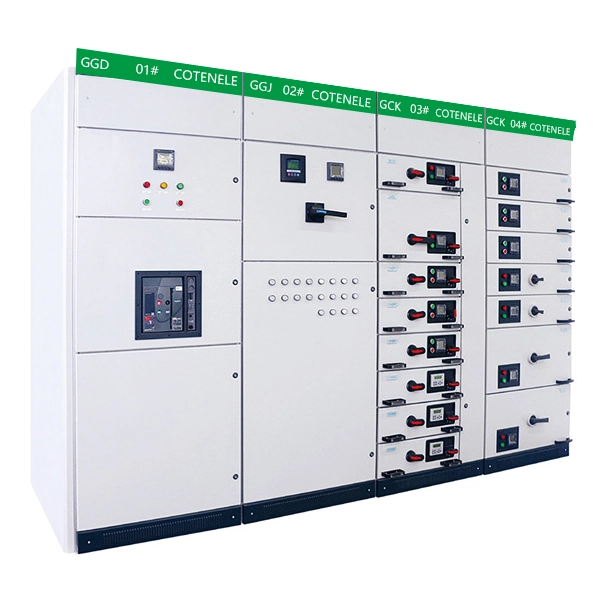
GCK Low Voltage Switchboard Withdrawable
GCK series drawer low-voltage switchgear is also one of Cotenele's main products,The GCK Low Voltage Switchboard Withdrawable consists of two parts: the power distribution center (PC) cabinet and the motor control center (MCC). It is suitable for power plants, substations, industrial and mining enterprises and other power users as an AC 50Hz maximum working voltage up to 660V and maximum working current up to 3150A in the distribution system. It is used for power distribution, motor control, lighting and other distribution equipment for energy conversion and distribution control.
What Is A Low-voltage Switchgear?
A low-voltage switchgear generally refers to distribution equipment used in power systems with AC voltages up to 1000V. Its main function is to transfer electrical energy from a transformer to various end-use devices, such as lighting fixtures, motors, and control systems.In China’s commonly used 50Hz AC distribution systems, the rated voltage of low-voltage distribution cabinets is typically 380V, with rated currents reaching up to several thousand amperes.
To put it simply, if the entire power system is compared to the human blood circulation system, then a power plant is the heart, high-voltage transmission lines are the arteries, and low-voltage distribution cabinets are the capillaries reaching every end user. They are responsible for distributing the stepped‑down power reasonably to each electrical unit, ensuring that various electrical equipment – lighting, motors, etc. – can receive the required electrical energy safely and stably.Our switchgears meet the relevant national and international standards IEC 61439 and GB/T 7251 .
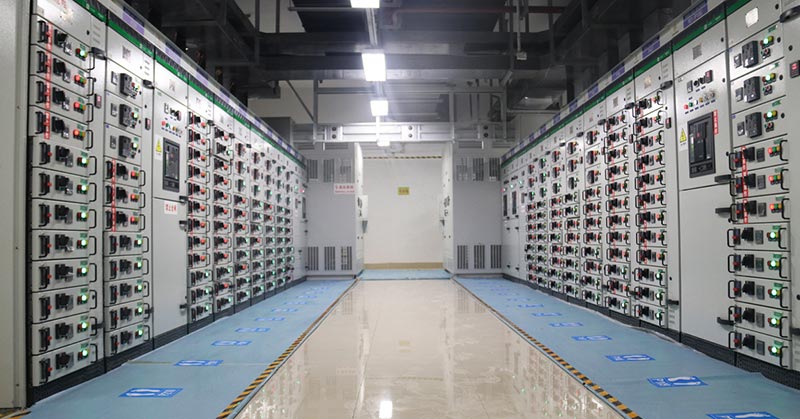
What are the Main Functions and Roles ?
The core functions of a low-voltage distribution cabinet can be summarized as three tasks: receiving, distributing, and protecting.
First, it receives electrical energy from the upstream power grid (for example, the low‑voltage side of a transformer) through the incoming cabinet (receiving cabinet). Then, it distributes the energy to branch circuits via the main busbar (copper bar system), and through the outgoing cabinets delivers it to equipment such as motors and lighting systems. Throughout this process, protection devices – circuit breakers, fuses, disconnectors, etc. – continuously monitor the circuit status. In the event of overload, short circuit, or leakage, they can quickly disconnect the faulty circuit, effectively protecting both equipment and personnel.
In addition, low‑voltage distribution cabinets also serve reactive power compensation. Capacitor banks (compensation cabinets) improve the power factor of the grid by automatically switching capacitor banks, reducing line losses and increasing energy efficiency.
Common Types and Models Of Low-voltage Switchgears
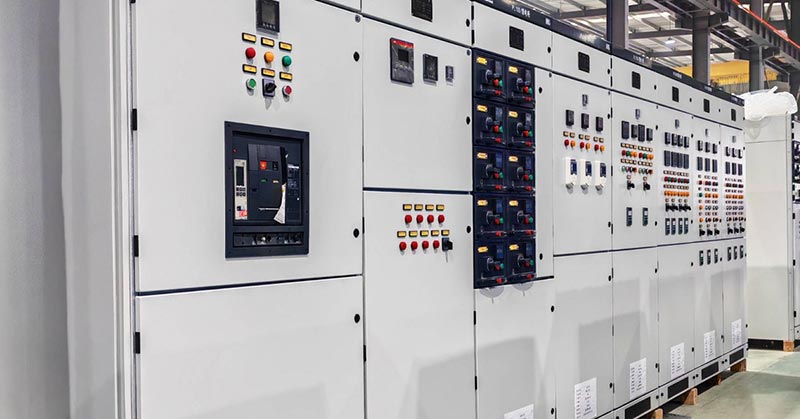
Based on their mounting methods, low-voltage switchgear is generally divided into two structural types: fixed-type low-voltage switchgear and drawout-type low-voltage switchgear.
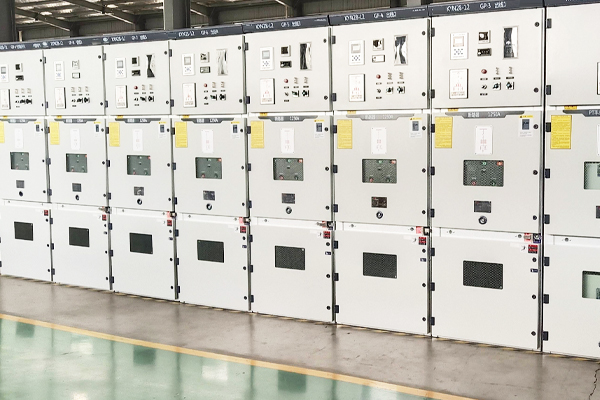
Fixed-type switchgear, such as the GGD switchgear, features a fixed-panel structure with all electrical components permanently mounted in place. It is characterized by a robust structure, lower cost, and easy maintenance. It is suitable for distribution systems in power plants, substations, and industrial and mining enterprises with rated currents up to 3150A. The enclosure uses natural ventilation for heat dissipation, with ventilation slots at the top and bottom forming a natural airflow path.
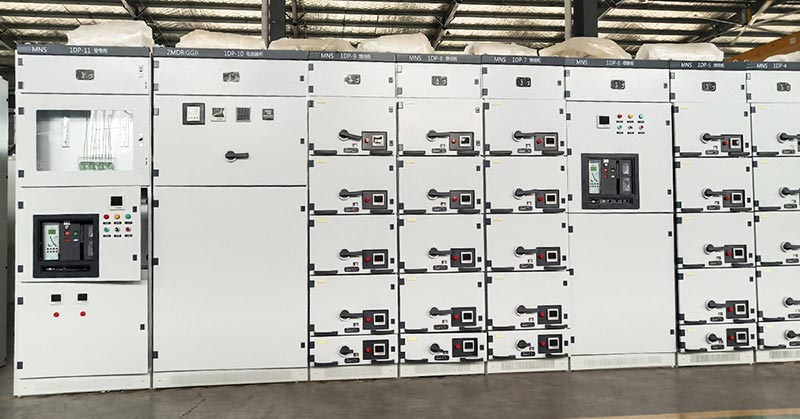
Drawout-type switchgear (also called drawer-type switchgear) is represented by models such as GCK, GCS, and MNS. Its distinctive feature is that each outgoing unit is designed as an independent drawer. Drawout switchgear is more space-saving, easier to maintain, and provides more outgoing circuits, although it is generally more expensive. When a fault occurs in one circuit, only the corresponding drawer needs to be pulled out for repair, and a spare unit can be replaced without interrupting the power supply, leaving other circuits unaffected. The MNS low-voltage switchgear is manufactured based on technology transferred from ABB (Switzerland) and offers advantages such as compact design, strong structural versatility, and a high degree of modularity.
| Type | Representative Models | Structural Characteristics | Main Advantages | Applications/Remarks |
| Fixed type | GGD | Fixed panel structure,all electrical components are fixedly mounted inside the cabinetthe enclosure has ventilation slots at the top and bottom,forming a natural bottom-to-top ventilation path. | Robust structure,low cost,easymaintenance. | Suitable for power distribution systems in power plants,substations,industrial and mining enterprises with rated operating current up to 3150A. |
| Withdrawable type(drawer type) | GCK,GCS,MNS | Each outgoing circuit is designed as an independent drawer unit that can be flexibly withdrawn or inserted. | Space-saving,easy maintenance,multiple outgoing circuits;when a fault occurs,onlythe faulty drawer needs to be pulled out for repair,and a spare unit can be replaced without power interruption,leaving othercircuits unaffected. | Relatively higher cost.The MNS type is manufactured under technology transfer from ABB(Switzerland)and features compact design,strong structural versatility, and a high degree of modularity. |
What Are the Internal Core Components in Low-voltage Switchgear?
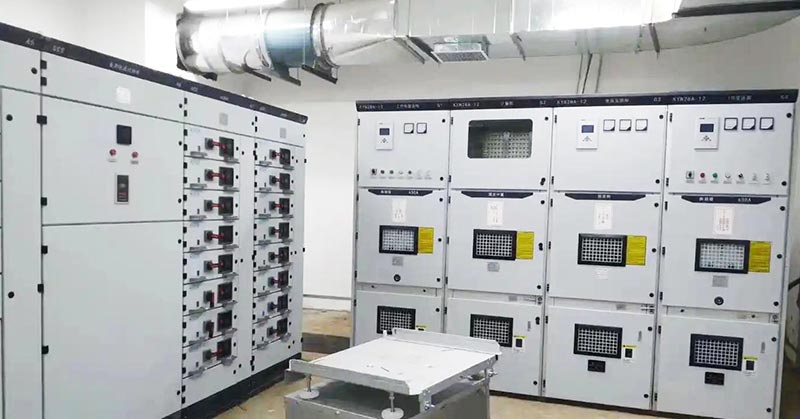
A complete low-voltage switchgear system usually includes the following components:
Enclosure:
The enclosure is usually made of high-quality cold-rolled steel plate or stainless steel, formed through bending, welding, and powder coating. It provides mechanical support and protection.
Busbar System:
The busbar system of the low-voltage switchgear includes main busbars and branch busbars. The main busbar runs through the entire low-voltage distribution panel and is responsible for collecting and distributing the total current, while the branch busbars supply power to each output unit.
Switchgear:
The core internal components of this product include circuit breakers, disconnect switches, contactors, etc., used for control and protection. The circuit breaker is the core component, combining circuit switching and fault protection functions.
Protection Devices:
The protection devices in the cabinet usually include thermal overload relays, fuses, and residual current devices, providing multiple protections against overload, short circuit, and leakage.
Measuring and Indicating Devices:
The measuring compartments include ammeters, voltmeters, power factor controllers, indicator lights, etc., for real-time monitoring of system status.
Compensation Equipment:
These components generally include capacitor banks and their switching control units, which are used for reactive power compensation.
The technical parameters
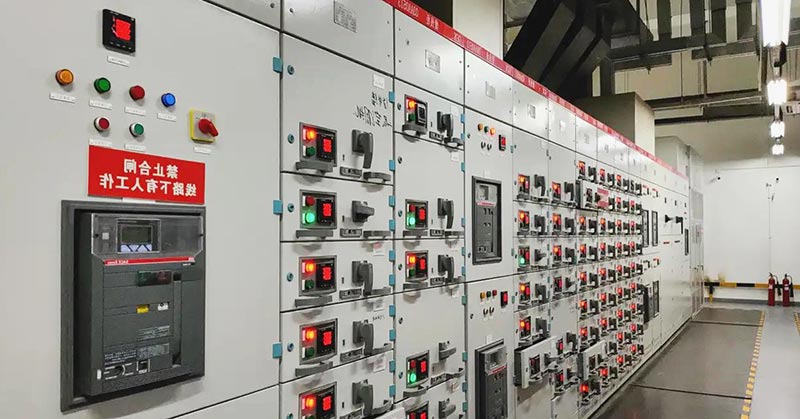
| Parameter | Description /Typical Values |
| Rated voltage and frequency | Typically AC 50Hz,380V/400V. |
| Rated current | The maximum busbar current ranges from several hundred amperes to several thousand amperes. For example:GGD up to 3150A,MNS up to 6300A. |
| Rated short-circuit making/breaking capacity | The current level the switchboard can safely interrupt under short-circuit conditions,ranging from 15kA to 50kA. |
| Degree of protection(IP code) | Common ratings:IP20 to IP54.Higher number= better protection.IP30 typical for normal indoor locations;harsher environments may require IP40 or higher. |
| Service conditions | Ambient temperature typically -5℃ to+40℃,altitude ≤2000m,free from severe vibration and aggressive corrosive gases. |
How to Choose the suitable low-voltage switchgear?
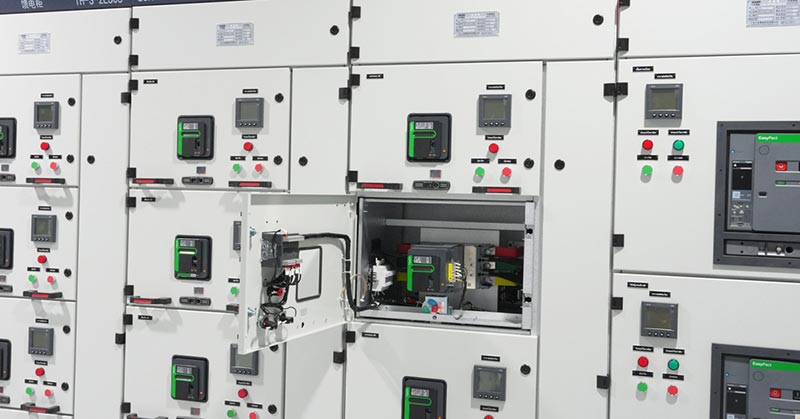
We call the selection method the “five-step” selection method:
Step 1: Define the core electrical parameters
The basis of selection for the low-voltage switchgear is to confirm the technical parameters that the switchboard must meet according to the client's technical requirements. First, confirm the system’s rated voltage (typically AC 380V/400V, 50Hz) and rated current. The rated current should be calculated based on the total load of all electrical equipment, with a 15%–20% margin reserved for future expansion. Second, the short-circuit withstand capability is also a critical safety indicator.The switchboard’s rated short-time withstand current (Icw) and rated peak withstand current (Ipk) must be greater than the maximum prospective short-circuit current that may occur in the system; otherwise, an explosion or fire could happen under fault conditions.
Step 2: Analyze the service environment
Environmental conditions directly affect the protection requirements and service life of the low-voltage switchgears,we need to adapt different protection grade based on the operating environment of the low-voltage switchgears.
| Environment /Condition | Recommended Protection/Requirement |
| Clean indoor places(e.g.,offices) | IP20 to IP30 usually sufficient. |
| General industrial workshops or electrical rooms | IP40 to prevent dust ingress. |
| Damp or dusty environments(e.g.,basements,chemical plants) | Fully sealed enclosure with IP54 or higher is necessary. |
| Outdoor installation | Protection degree at least IP55,with additional rainproof and UV-resistant features. |
| High-temperature environments | Require cabinets with excellent heat dissipation design. |
| Coastal or corrosive gas areas | Stainless steel or anti-corrosion coating should be used |
| Altitudes above 2000m | Insulation performance degrades, so correction of clearances or selection of high‑altitude products is needed. |
Step 3: Match load types and functional requirements
Different loads require low-voltage switchgear to have different control and protection functions. For inductive loads such as motors (e.g., fans and pumps in factories), the starting current can reach 5–7 times the rated value. Circuits should be selected with overload, phase loss, and locked‑rotor protection, along with suitable contactors and thermal relays. For resistive loads like lighting, fixed‑type low-voltage switchgears with a simple structure and high cost‑performance are appropriate. For data centers, hospitals, and other places with extremely high requirements for power supply continuity, hot‑swappable drawout (withdrawable) low-voltage switchgear should be used, equipped with automatic transfer switches (ATS) and redundant design. Smart buildings or modern factories are better served by intelligent switchgears that support smart meters and remote monitoring and control, enabling connection to power management systems.
Step 4: Evaluate future operation, maintenance and expansion
The selection should leave sufficient room for long-term operation and future retrofits. If the ability to replace modules quickly without power interruption during a fault is desired, withdrawable (drawout) low-voltage switchgear should be preferred, as their drawer units can be independently plugged in and out. At the same time, it is advisable to reserve about 20% spare outgoing circuits based on the total number of circuits, to accommodate future equipment additions. If the budget permits and on‑site space is tight, the withdrawable type low-voltage switchgear is also a better choice. For applications requiring remote data acquisition, fault prediction, and condition‑based maintenance, intelligent drawout switchgears with communication gateways and monitoring software should be configured. Furthermore, the availability of spare parts and the after‑sales service response capability of the supplier must be considered.
Step 5: Balance the life‑cycle cost
The selection decision should not look only at the initial purchase price, but should evaluate the life‑cycle cost (LCC), including procurement, installation, operation, maintenance, downtime losses, and energy costs. Domestic brands (e.g., Chint, Delixi, Changshu Switchgear) have strong price competitiveness – the cost of key components is often 1/2 to 1/5 of that of international brands – and offer fast service response, making them suitable for projects where cost‑performance is paramount. International brands (ABB, Schneider Electric, Siemens) lead in technical specifications, have longer mean time between failures, and possess mature digital ecosystems, making them ideal for critical projects with very high reliability requirements. Blindly pursuing low prices may lead to the use of inferior sheet metal, reduced short‑circuit capacity, or simplified protection functions, resulting in frequent faults later and ultimately greater economic losses. Therefore, the optimal cost‑effective solution should be chosen while meeting safety and performance requirements.