The medium-voltage power distribution industry is undergoing a gradual shift away from traditional SF₆-insulated equipment as utilities, renewable energy projects, data centers, and other infrastructure projects place greater emphasis on environmental performance and lifecycle management.
Among the technologies gaining attention is 24kV SF6-free environmentally friendly switchgear, which replaces sulfur hexafluoride (SF₆) with alternative insulating media such as dry air, nitrogen, or other low-environmental-impact gases. These solutions are increasingly being considered for new medium-voltage distribution projects where environmental requirements and long-term operating costs are important factors.
The Shift Away from SF₆ in Medium-Voltage Equipment
SF₆ has been widely used in gas-insulated switchgear because of its excellent dielectric and arc-extinguishing properties. However, its extremely high global warming potential has increased regulatory and environmental pressure on equipment manufacturers and power operators.
As a result, the industry is developing alternative technical routes that can maintain the compact structure and reliability of gas-insulated equipment without relying on SF₆.
In 24kV environmentally friendly switchgear, vacuum interruption technology is combined with alternative insulating media. Dry air and nitrogen are among the commonly used options, while other gas mixtures are also being developed and commercially applied.
This approach allows manufacturers to reduce or eliminate SF₆ while retaining the advantages of enclosed medium-voltage distribution equipment.
Dry Air and Nitrogen Become Important Alternatives
Different insulation technologies are being evaluated according to voltage level, equipment design, operating environment, and project requirements.
Dry air and nitrogen are particularly attractive because they do not require the same type of SF₆ gas management associated with conventional SF₆-insulated equipment. According to the supplied technical information, dry air and nitrogen can be used for medium-voltage applications covering approximately 12kV to 40.5kV, depending on system design and insulation requirements.
Other alternative gases and mixtures, including nitrogen-oxygen mixtures and other low-environmental-impact gases, are also being applied in some projects.
This development is creating more options for utilities and EPC contractors when selecting medium-voltage ring main units and gas-insulated switchgear for new installations.
24kV RMU Applications Are Expanding
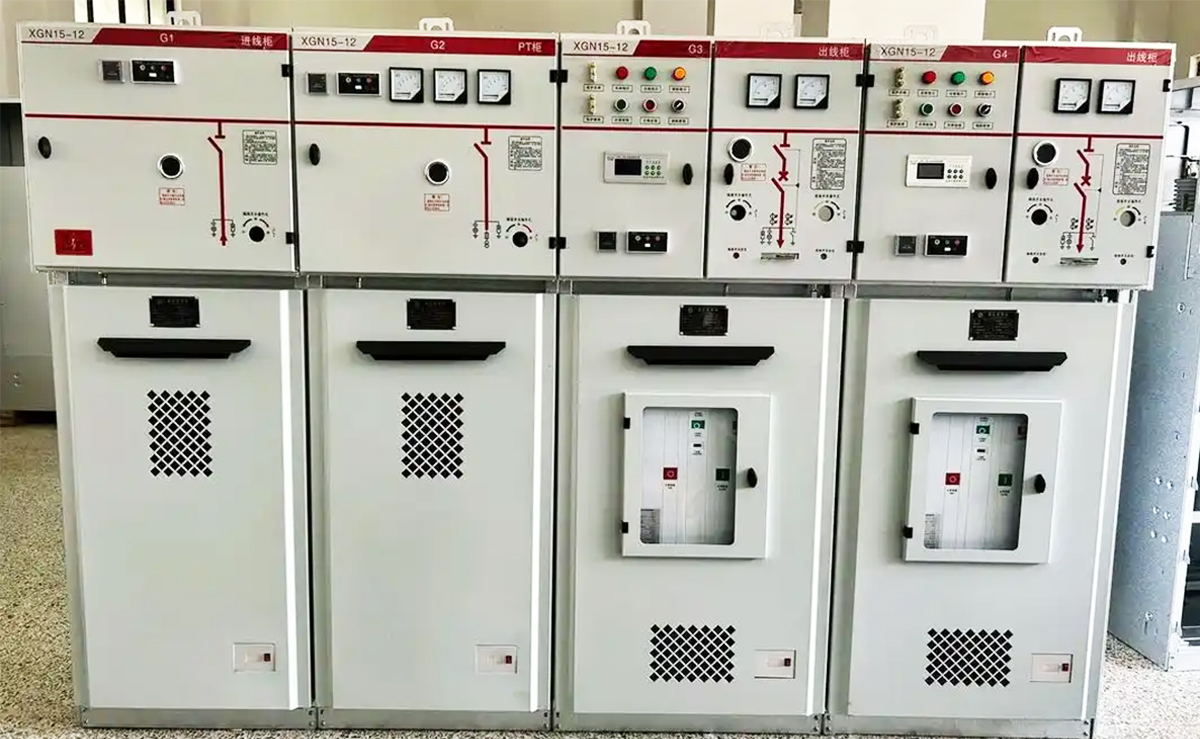
The transition toward SF₆-free technology is particularly relevant to ring main units (RMUs) and compact gas-insulated switchgear used in distribution networks.
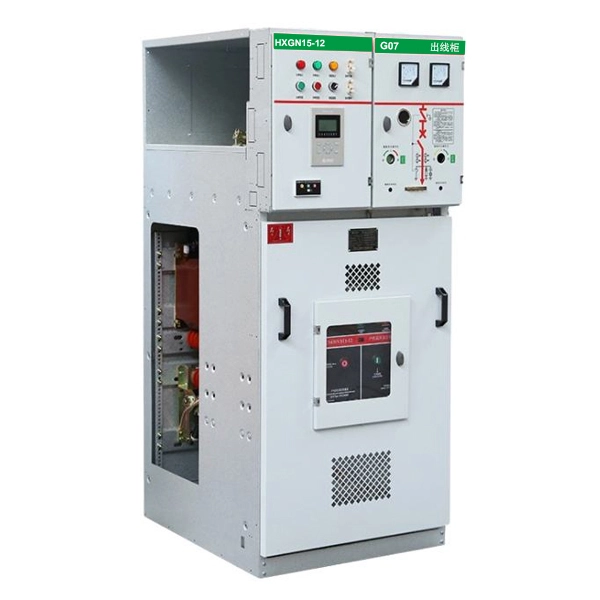
A typical environmentally friendly gas-insulated switchgear uses a sealed metal gas tank to protect the primary components from external environmental conditions. The main busbar and switching components are enclosed inside the tank, while the cable compartment and low-voltage compartment provide interfaces for power connections, protection, measurement, and control equipment.
This enclosed structure makes the technology suitable for applications where space, environmental resistance, and operational reliability are important.
In urban distribution networks, for example, compact medium-voltage equipment can help address limited installation space. The technology is also being considered for renewable energy facilities, data centers, transportation infrastructure, and projects located in coastal, humid, polluted, or otherwise demanding environments.
Renewable Energy and Data Centers Create New Demand
The growth of renewable energy is becoming an important driver for environmentally friendly medium-voltage equipment.
Wind farms, photovoltaic power plants, and energy storage systems require reliable medium-voltage collection and distribution equipment to connect generation assets to the wider electrical network. As these projects increasingly incorporate environmental requirements into equipment procurement, SF₆-free RMUs and GIS solutions are gaining attention.
Data centers represent another important application area. Their electrical systems require high reliability while operators are also facing increasing pressure to improve the environmental performance of their facilities.
For these projects, SF₆-free switchgear can provide an alternative to conventional SF₆-insulated equipment while maintaining a compact, enclosed medium-voltage distribution configuration.
Equipment Design Is Also Evolving
The development of SF₆-free switchgear is not limited to changing the insulating gas. Equipment manufacturers are also modifying tank structures, insulation systems, switching mechanisms, and overall cabinet layouts to meet medium-voltage performance requirements.
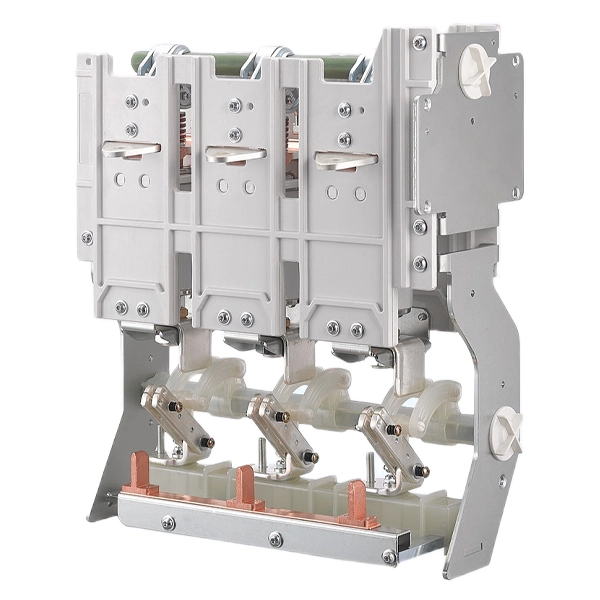
A typical 24kV environmentally friendly gas-insulated switchgear can include:
Sealed gas-filled compartment
Vacuum circuit breaker
Disconnector
Earthing switch
Main busbar
Surge arrester
Cable compartment
Low-voltage and protection compartment
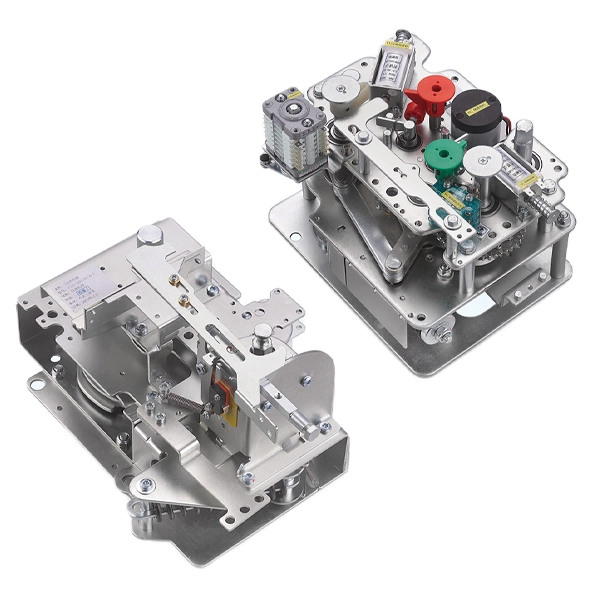
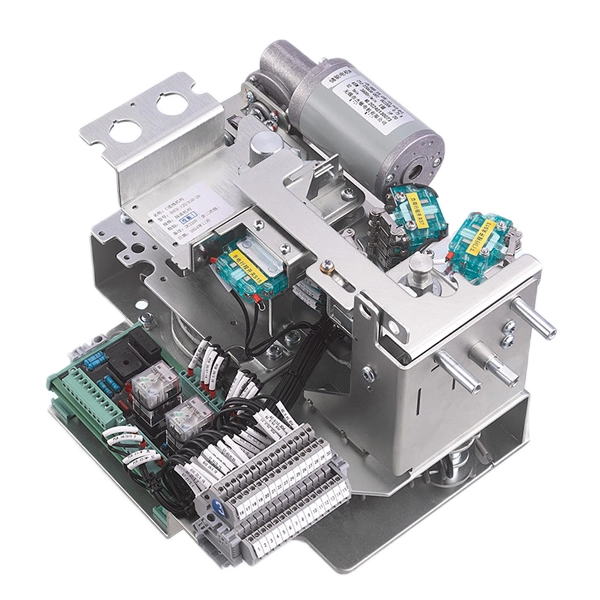
Manual or motorized operating mechanism
The gas tank is generally designed as a sealed structure, helping isolate primary components from external humidity, dust, and other environmental conditions. Some designs also integrate intelligent protection and control systems for functions such as remote measurement, signaling, control, and adjustment.
SF₆-Free Does Not Simply Mean Replacing One Gas
For power equipment buyers, the transition from SF₆ to alternative insulation media involves more than selecting a different gas.
Key considerations include:
Electrical performance: The insulation system must provide sufficient dielectric strength for the rated voltage and withstand requirements.
Switching technology: Vacuum interruption is commonly used for the main switching function, while the alternative gas primarily serves as the insulation medium.
Sealing and enclosure design: The gas tank must maintain its insulation performance throughout the equipment's service life.
Environmental adaptability: Equipment may need to operate reliably in humid, coastal, high-altitude, polluted, hot, or cold environments.
Maintenance requirements: Reduced dependence on SF₆ gas handling can simplify certain maintenance and lifecycle management requirements.
Project standards: Equipment specifications must be evaluated against applicable IEC, IEEE/ANSI, UL/NEMA, and regional regulatory requirements.
What This Means for Medium-Voltage Equipment Buyers
For utilities, EPC contractors, renewable energy developers, and industrial power users, the growing availability of SF₆-free switchgear provides another option when planning new medium-voltage distribution systems.
Instead of evaluating switchgear only by initial equipment cost and cabinet dimensions, procurement teams increasingly need to consider the complete lifecycle of the equipment, including insulation technology, maintenance requirements, environmental conditions, regulatory requirements, and future project standards.
The supplied product information indicates that 24kV SF₆-free switchgear can be designed with IP67 protection, zero-gauge-pressure operating capability, vacuum interruption, and compact cabinet dimensions. Specific performance values and configurations should be confirmed against the manufacturer's test reports and project specifications before procurement.
The Market Is Moving Toward More Sustainable Distribution Equipment
The development of SF₆-free medium-voltage switchgear reflects a broader change in the power distribution industry: environmental performance is increasingly becoming part of equipment selection alongside electrical performance, reliability, and cost.
For 24kV distribution applications, technologies based on dry air, nitrogen, and other alternative insulation media are providing manufacturers with new technical routes for replacing conventional SF₆-based designs.
As renewable energy installations, data centers, urban power networks, and other electrification projects continue to expand, 24kV SF6-free switchgear and environmentally friendly RMUs are likely to become an increasingly important part of the medium-voltage equipment market.
We use cookies to offer you a better browsing experience, analyze site traffic and personalize content. By using this site, you agree to our use of cookies. Privacy Policy