
News
What Is a Medium Voltage Switchgear? Cotenele Helps You Quickly Understand the Core Equipment of Power Distribution Systems

Ever wonder how power gets from the grid into a factory, a mall, or a whole neighborhood?
It's not magic. It comes down to one piece of gear — the medium voltage switchgear.
Reliable power distribution matters across industry, retail, and renewables.
If you don't have proper control and protection, even a tiny fault can knock out the whole system. Then you're looking at hours or days of downtime and serious damage.
That's why getting familiar with medium voltage switchgear is really the first step if you want a power system you can count on.
What Does a Medium Voltage Switchgear Do?
Think of a medium voltage switchgear (usually rated at 12kV or 35kV) as the control hub of your distribution network.
It handles three main things:
1. Handing out power – It takes electricity from the grid or a transformer and sends it to different outgoing lines that feed various parts of your facility.
2. Reacting to faults – If something shorts out or overloads, the switchgear trips on its own, cuts off the bad section, and stops damage from spreading downstream.
3. Letting people work safely – When you're doing maintenance, it gives you a clear, visible break in the circuit so engineers know the line is dead and can work without worry.
Without switchgear, your power distribution becomes unpredictable, unsafe, and a constant headache.
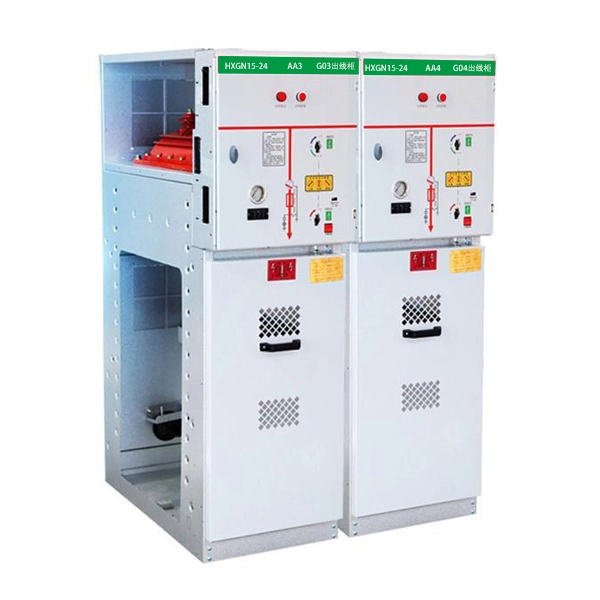
The Most Common Type: KYN28-12 Withdrawable Switchgear

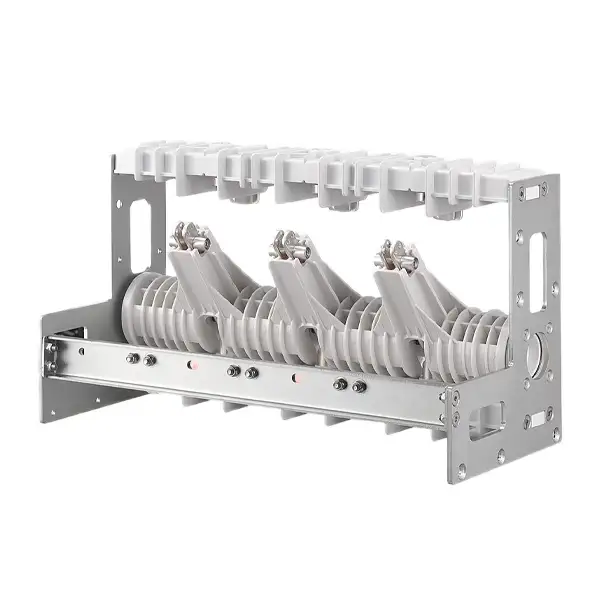
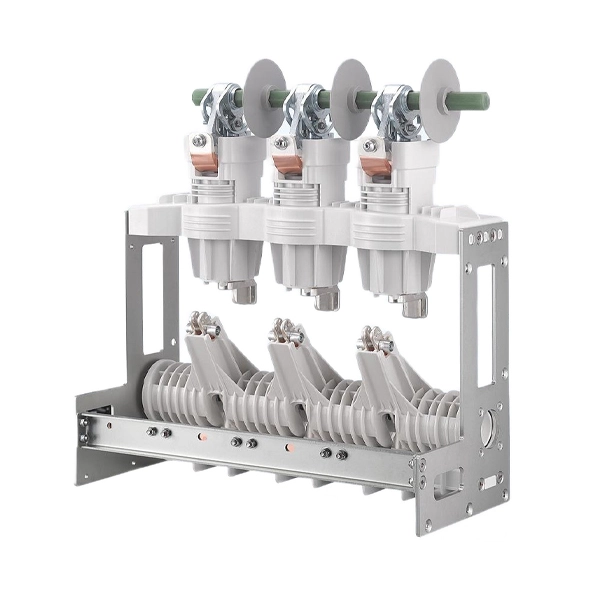
Out of all the medium voltage switchgear out there, the KYN28‑12 is the most common in substations and industrial sites.
It falls into the "withdrawable" or "draw‑out" family.
So why does everyone use it?
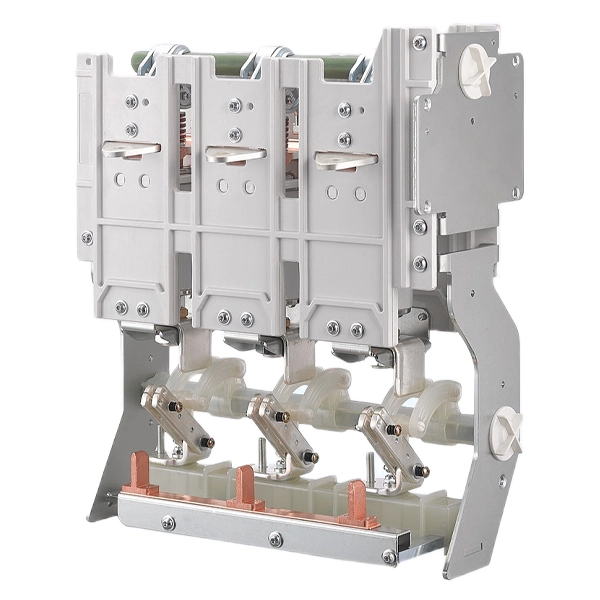
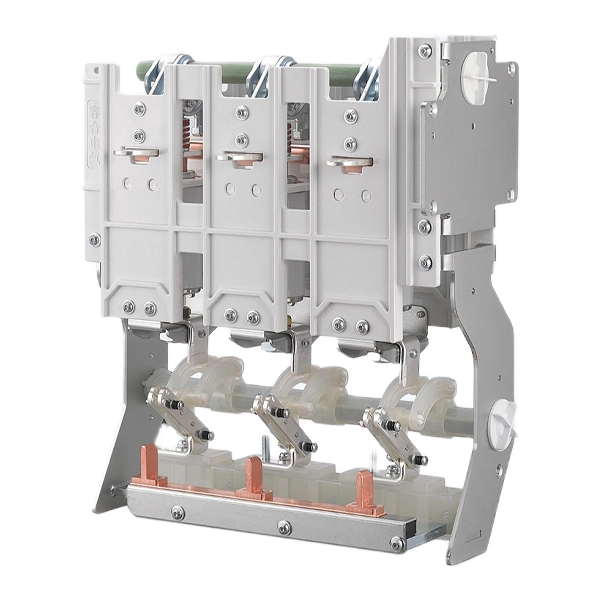
It comes down to how it's built. The most important part — the vacuum circuit breaker — sits on a truck that can be pulled out.
You can take that truck right out of the cabinet to inspect it, fix it, or swap in a new one without turning off the whole system.
That alone cuts downtime by a lot and makes routine maintenance way simpler.
The KYN28‑12 is metal‑clad and uses air as insulation.
Its main compartments — breaker, busbar, cable, and instrument — are separated by grounded metal walls.
This metal‑clad setup means that if an arc flash happens inside, it stays inside that one compartment instead of jumping to others.
Key Components Inside a Medium Voltage Switchgear
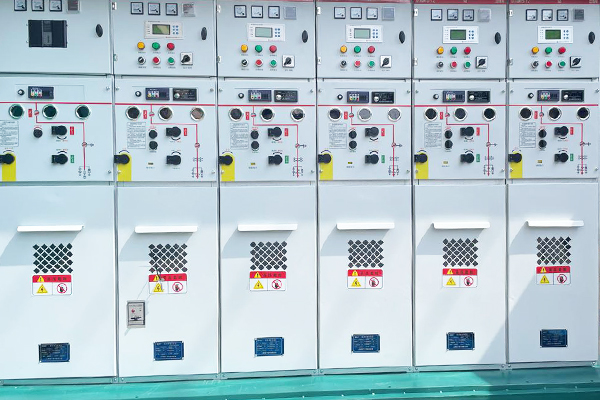
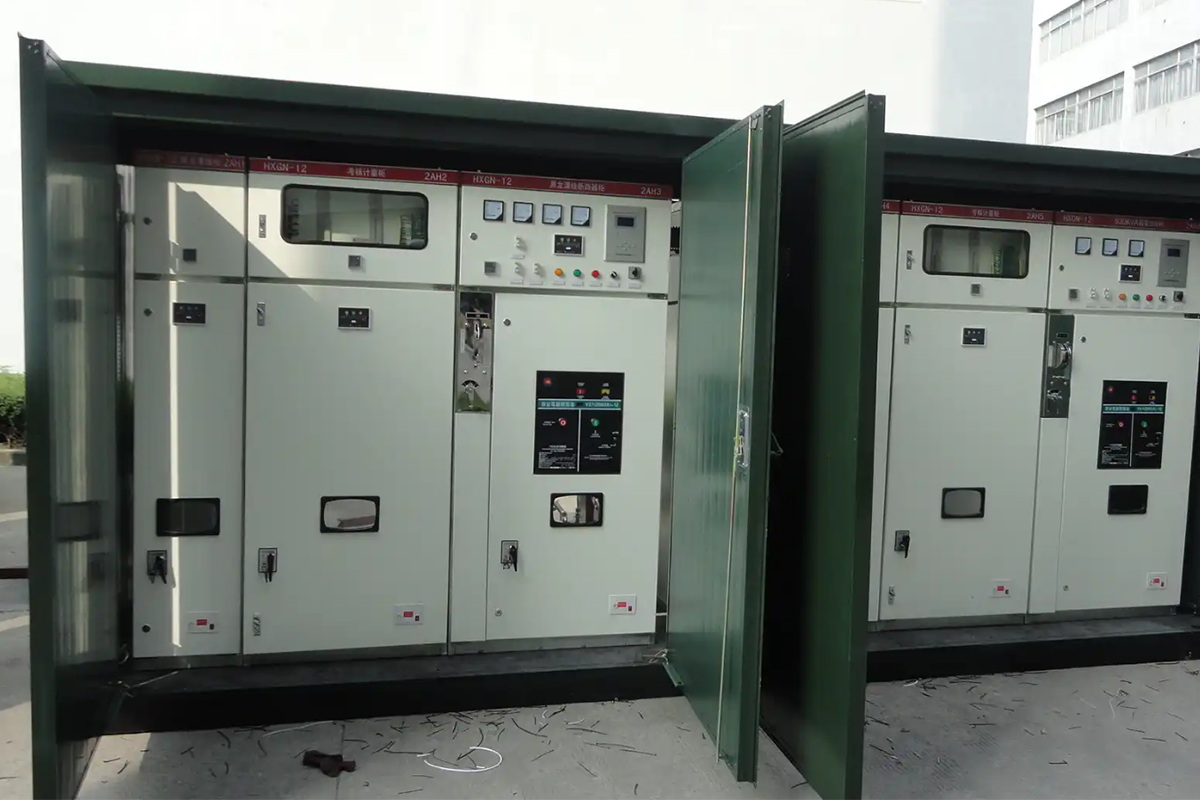
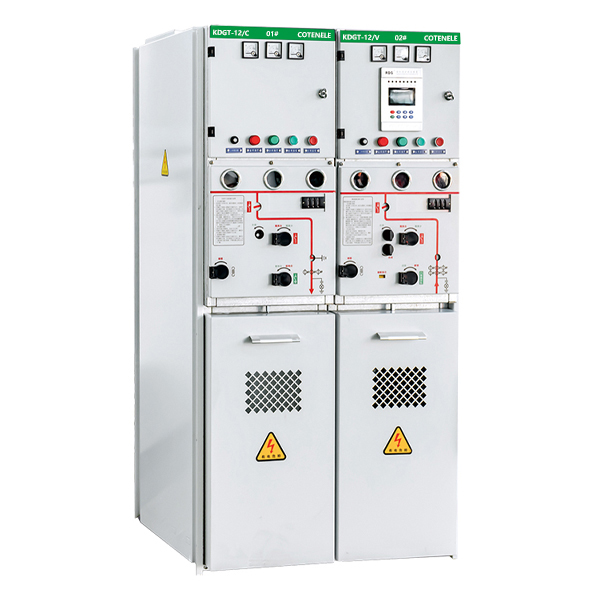
Here's a look inside a typical KYN28‑12. Every part here has its own job to do.
| Component | Function |
|---|---|
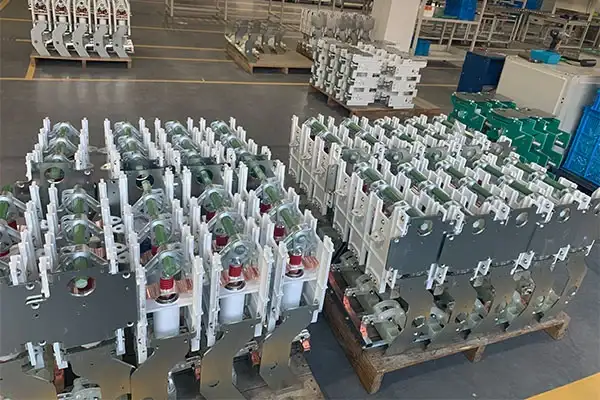
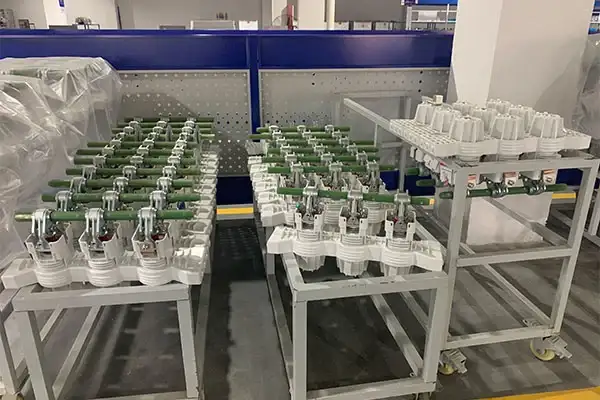
| Vacuum Circuit Breaker (VCB) | This is your main switch. It closes and opens the circuit under normal use and during faults. When a short happens, it trips to protect whatever's downstream. |
| Current Transformer (CT) | Measures how much current is flowing. Feeds that info to meters and protection devices. |
| Voltage Transformer (VT/PT) | Checks the voltage level. Sends voltage readings to meters and relays. |
| Protection Relay | The brain of the setup. Watches current and voltage non‑stop. If it sees something wrong, it tells the breaker to trip. |
| Earthing Switch | Used when you're doing maintenance. After cutting power, this grounds the circuit so there's no leftover voltage. |
| Surge Arrester (Lightning Arrester) | Keeps the switchgear safe from lightning strikes and switching surges by dumping high voltage into the ground. |
| Busbars (Copper bars) | Carry current from the incoming feed to the outgoing lines. Think of them as the switchgear's blood vessels. |
Once you get all these parts working together properly, your whole power system becomes stable, predictable, and easier to live with.
Why Choose Cotenele for Your Medium Voltage Switchgear?
Cotenele International Trade (Wenzhou) Co., Ltd. focuses on building solid KYN28‑12 switchgear for all kinds of places: Substations, Industrial plants, Commercial buildings (shopping malls, hospitals, data centers) and Renewable energy projects (solar farms, wind farms).
Our KYN28-12 switchgear is:
1. Metal-clad and withdrawable — easy to maintain, very little downtime
2. Factory assembled and tested — every unit gets insulation tests, voltage withstand tests, relay checks, and mechanical operation tests before it leaves us
3. Built with high-quality components — we use reliable brands for breakers, CTs, PTs, and relays, or we build exactly to what you ask for
Integrated Systems Perform Better
Industry studies keep showing the same thing: integrated power systems outperform isolated parts.
If you design your medium voltage switchgear, low voltage protection, transformer, and monitoring system as one setup from the start, you get real advantages.
Take faults, for example.
When something goes wrong, only the affected section trips — not your whole facility. Everything else keeps running. That's selective protection in action.
You also save time on installation. Since we put everything together and test it at our factory, you don't end up fixing wiring mistakes on site. Your people can focus on getting the system live faster.
Operation becomes straightforward. Every device follows the same protection logic. No mismatched trip settings, no random shutdowns. What you expect to happen actually happens.
And later, if you need to expand, it's not a big deal. The system architecture is already there. Adding more feeders or upgrading protection doesn't mean re‑engineering everything.
Facilities that run an integrated MV‑LV‑protection setup see less unplanned downtime, lower upkeep costs, and safer conditions for their crews. It's just a smarter way to handle power.
Measurable Gains You Can Expect
When you put money into a well‑built switchgear and an integrated power system, you'll notice real, measurable changes in your day‑to‑day operations.
Less downtime. Selective tripping means a problem on one feeder doesn't kill your whole production line. Only the bad section drops out — everything else stays up.
Lower maintenance costs. Pull‑out breakers are easy to inspect and replace. You can plan your maintenance instead of always fighting unexpected failures. That saves time and money.
Your equipment lasts longer, too. Good coordination puts less stress on cables, breakers, and transformers. You don't have to replace them as often.
Safety also improves. When you know exactly how and when trips will happen, you reduce arc flash risks and protect the people working on your system.
And don't overlook energy efficiency. Stable voltage means less wasted power and lower line losses. That hits your electricity bill directly.
These aren't just claims. Facilities that have moved to integrated electrical systems keep reporting higher uptime, smoother operations, and faster recovery from faults. Once they switch, they don't go back.
Industrial Facilities Are Moving Toward Integrated Electrical Ecosystems

As factories get bigger, more automated, and more demanding about reliability, power systems get more complex.
A unified MV‑LV‑protection architecture lowers risk, makes coordination simpler, and gets your site ready for future upgrades.
At Cotenele, we're helping make that shift happen. We offer integrated solutions across high voltage, low voltage, and digital platforms.
Our KYN28‑12 switchgear, VS1‑12 vacuum breakers, LZZBJ9‑10 current transformers, and full substation packages are meant to work as one system — not as a pile of separate parts.
Related News
Leave me a message