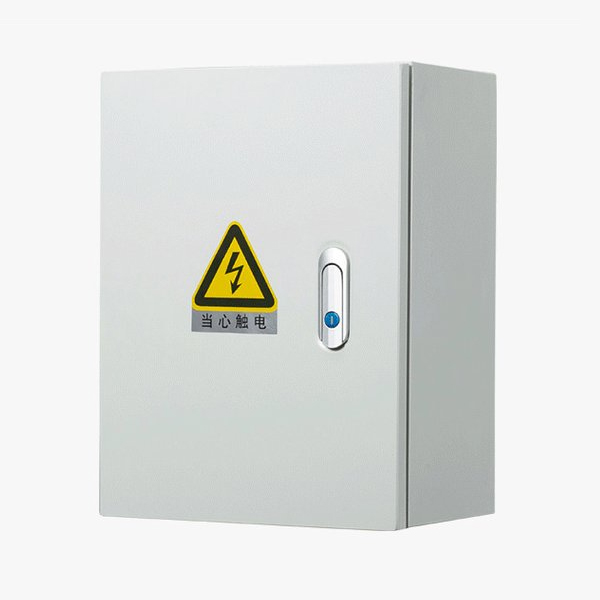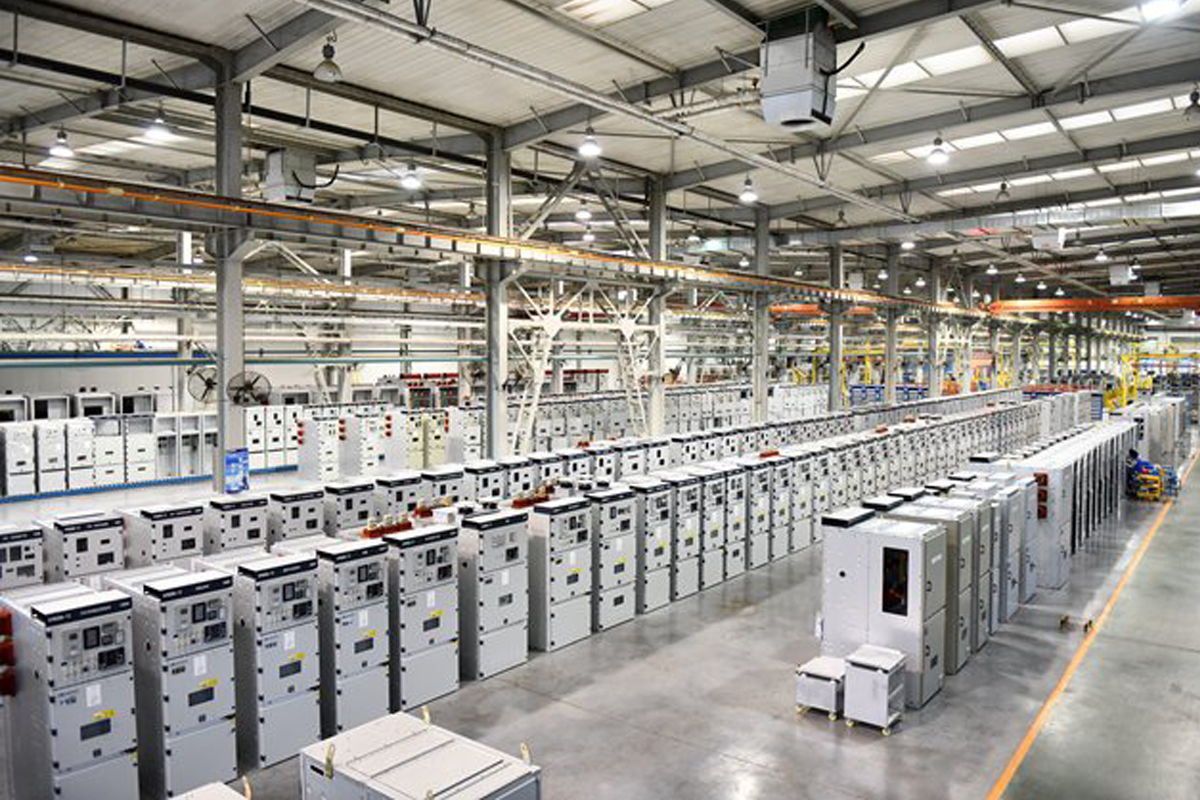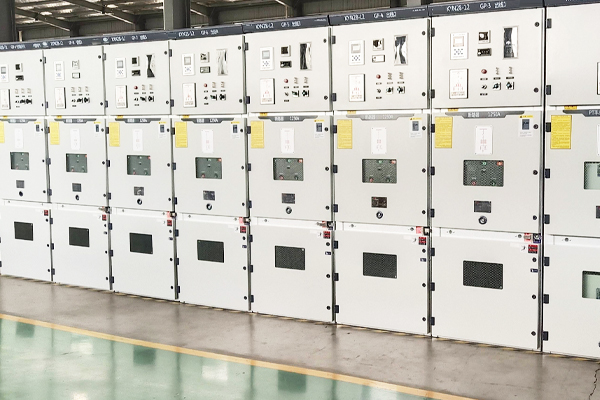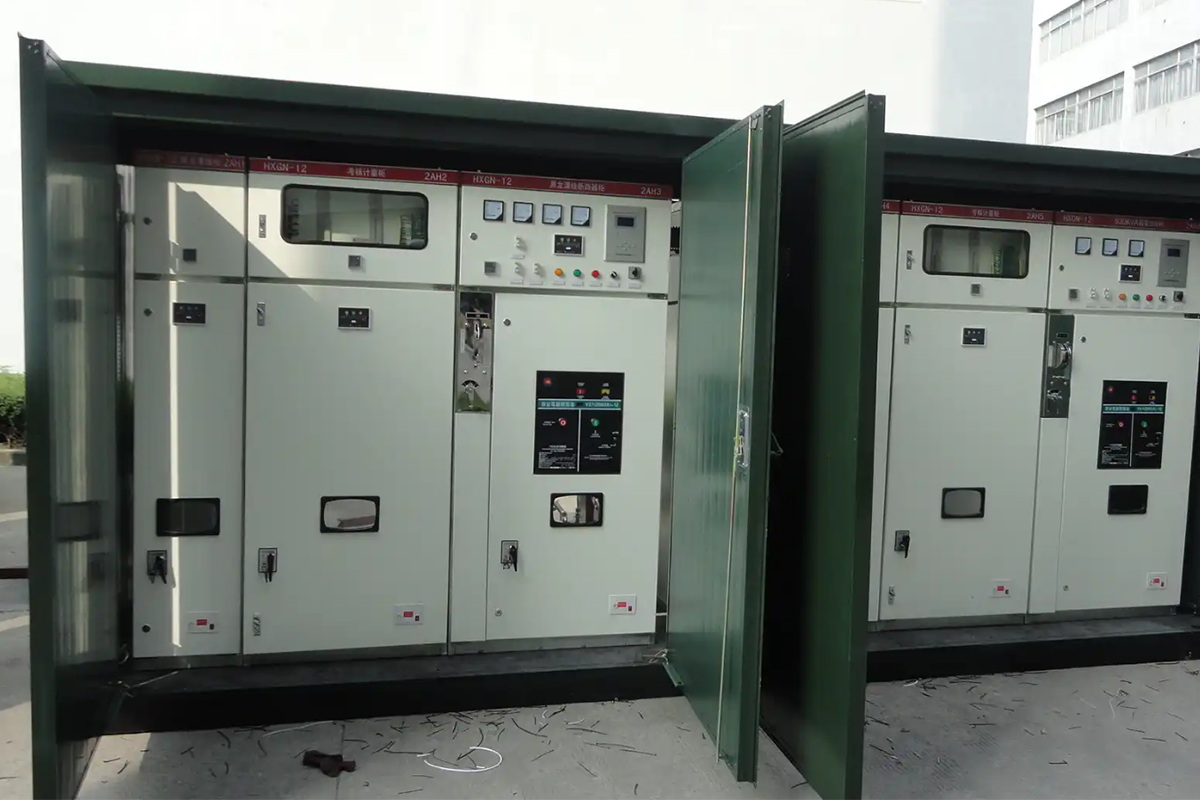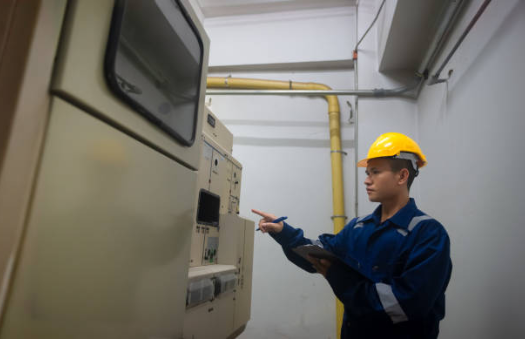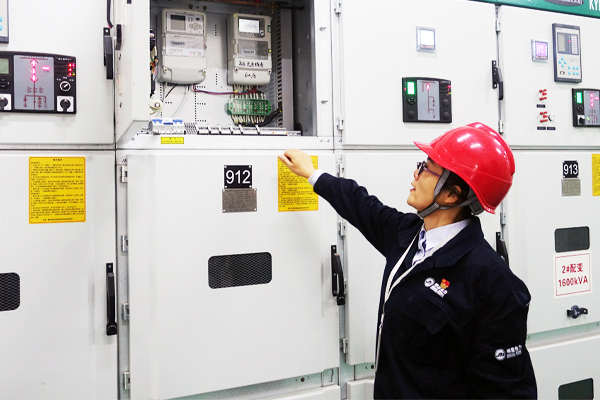

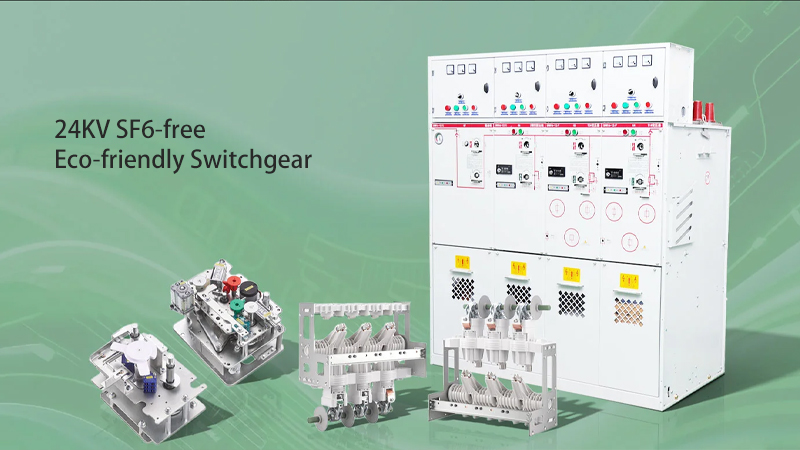
Cotenele is a large maufacturer of ring main units in China,with the continuous development of medium-voltage distribution technology, ring main units (RMUs) have evolved from basic medium-voltage distribution equipment to advanced smart grid solutions. RMU mainly serves in the 11-33 kV distribution network, and its compact and enclosed structure typically includes load break switches, fuses, grounding switches, cable connection units, and instrument cabins. The ring main unit supports reliable ring network power supply, fault isolation, and protection functions. It mainly includes several types such as gas insulated, air insulated, and solid insulated. Among them, SF6 gas insulated ring main unit is widely used, and the increasing trend of environmentally-friendly ring main unit replacement solutions is evident. The main application scenarios of ring main unit include urban distribution networks, renewable energy projects, industrial parks, commercial complexes, data centers, hospitals, airports, underground substations, and electric vehicle charging infrastructure.
What is a Ring Main Unit?
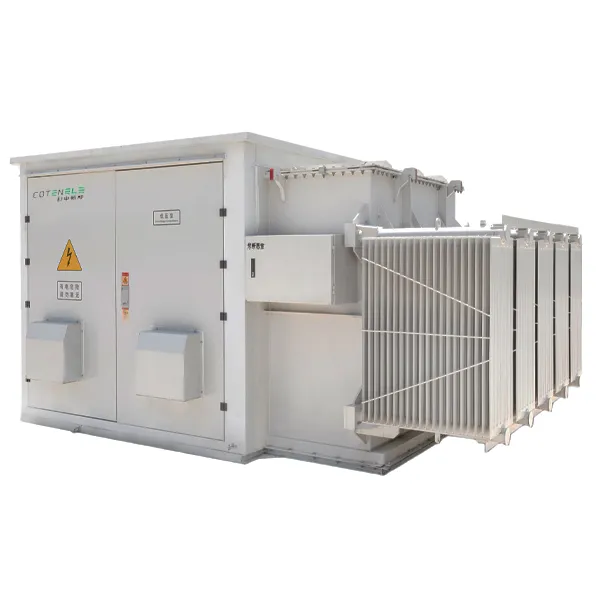
The Cotenele Ring Main Unit (RMU) is a compact fully enclosed switchgear used in medium-voltage distribution networks, with common voltage levels ranging from 11kV to 33kV. It plays a critical role in the distribution system and can provide reliable and efficient power supply for urban areas, industrial facilities, and commercial buildings with high requirements for continuous power supply.
The working idea of RMU is based on ring network power supply: several distribution points are connected by cables to form a closed loop. Normally, the loop operates in an open-loop manner; Once a fault occurs somewhere, quickly switch to restore power to the non faulty parts. Compared with traditional radiative power supply systems, this topology has significant advantages in reliability.
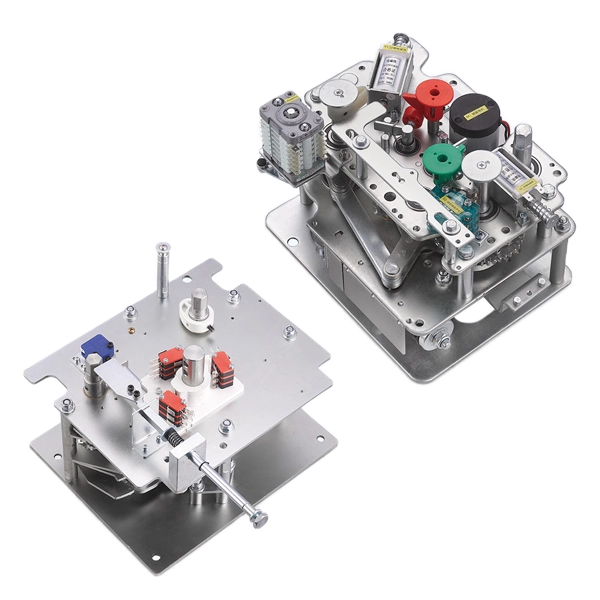
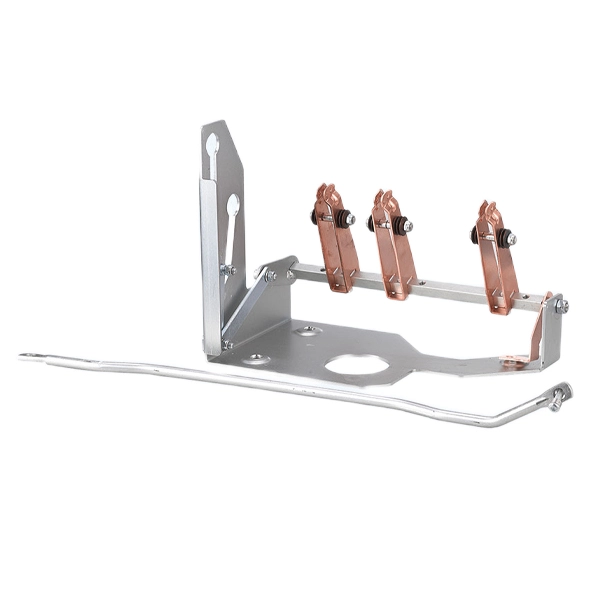
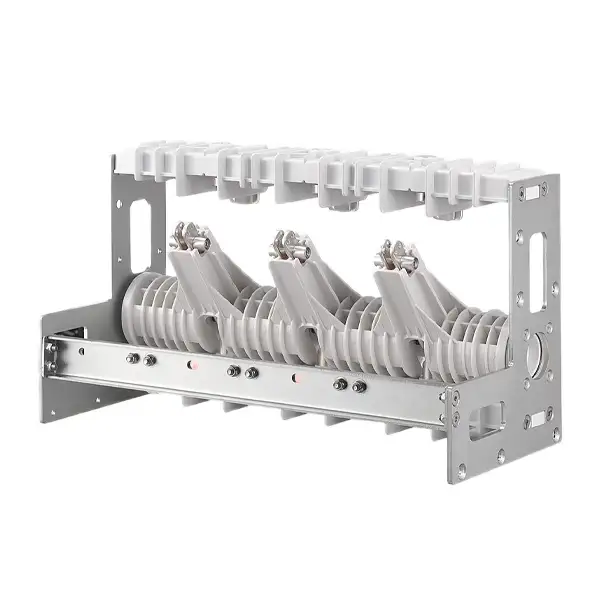
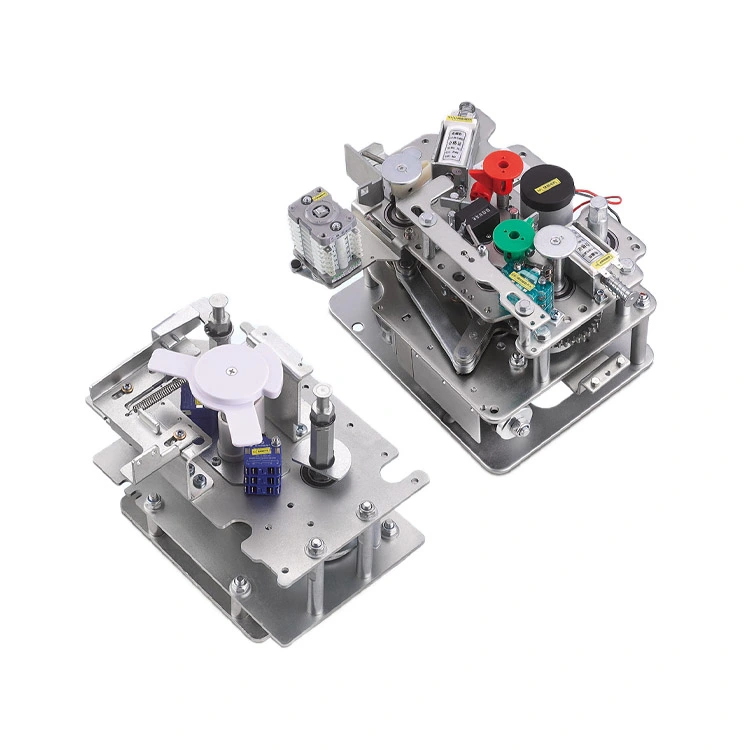
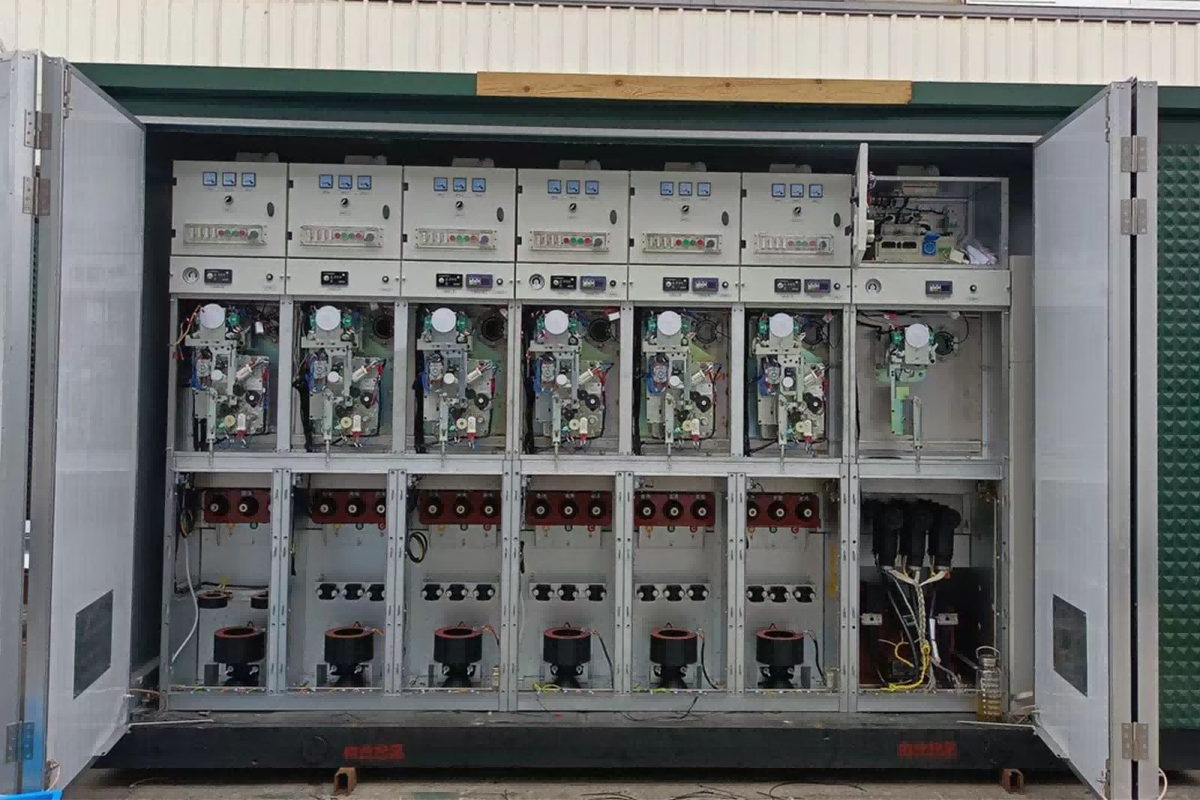
A typical RMU will consolidate multiple important components into a sealed unit. The core components are load switches and fuses. Load switch is used to switch on and off normal load current, and can operate with load, but cannot cut off short-circuit current separately. When a short circuit occurs, the fuse connected in series with it will melt within a few milliseconds, cutting off the fault current; The trigger of the fuse will also drive the load switch to trip, avoiding phase failure operation. Other components include: grounding switch unit for ensuring safety during maintenance, cable inlet and outlet units for ring network connection, and instrument room for installing protection, measurement, and control equipment.
Each RMU mainly has three functions: controlling the circuit and completing switching; Isolate the faulty equipment from other circuits; Protect the circuit from the effects of short circuit faults, ground fault currents, and overloads.
Classification of Ring Main Units
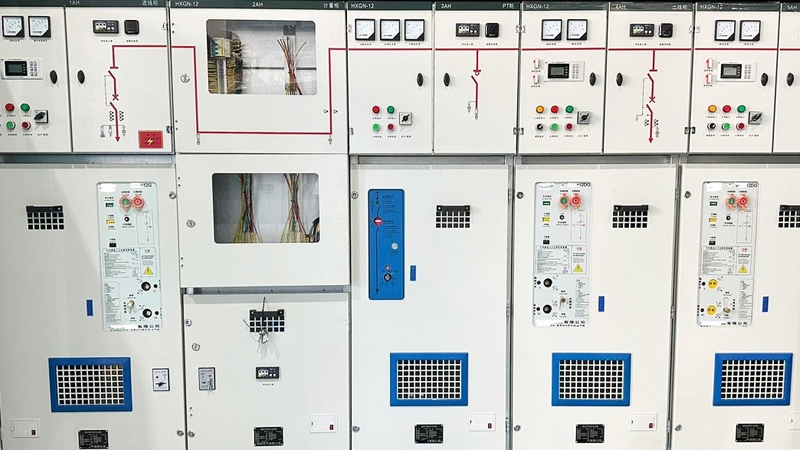
The ring main unit can be divided into different angles. According to the insulation medium, there are three common types: gas insulation, air insulation, and solid insulation; According to the structural form, it can be divided into types such as all air insulation, semi insulation, solid insulation, gas insulation, and oil immersed insulation.
1. Gas-insulated ring main unit
Gas-insulated ring main unit mainly uses SF6 gas for insulation and arc extinguishing. Its characteristics are small size, complete sealing, and basic maintenance free operation. It is commonly used in indoor and outdoor secondary distribution networks, power plants, industrial areas, and transformer substations. This type of product is most commonly used in the market now due to its compact structure and high reliability in space limited situations. However, SF6 is a strong greenhouse gas, and environmental pressure is increasing. Therefore, manufacturers are also introducing alternative solutions using dry air, nitrogen, or fluorinated nitrile gases to maintain insulation levels as much as possible while reducing environmental impact.
2. Air-insulated ring main unit
Air-insulated ring main unit (AIS RMU) mainly uses air as the external insulation medium. It comes from the early RMU technology that used vacuum or pneumatic load isolation switches. AIS RMU has a high degree of modularity and is easy to expand. The feeding units can be freely combined, occupying a small area and operating safely. At present, it can still be seen frequently in overseas distribution networks, especially suitable for places where installation is simple, reliability requirements are high, and feeding configuration needs to be flexible.
3. Solid-insulated RMU (SIR)
Solid-insulated RMU (SIR) uses epoxy resin as the insulation medium. The overall insulation of the equipment has good weather resistance and is suitable for mining, chemical facilities, and other special environments. It does not contain SF6 gas and uses a vacuum circuit breaker, which is relatively environmentally friendly.
In terms of units configuration, RMU components are generally labeled by module type. The C-type unit is a load break switch, which belongs to the three position load switch - disconnector and grounding switch; F-type unit is a combination unit with a fuse and a load break switch; The V-unit is a vacuum circuit breaker unit that uses vacuum circuit interrupter as circuit breakers. Common RMU configurations include CCC, which consists of three C modules; CCF, Two C modules plus one F module; CCV, Two C modules plus one V module; And VVV, three V modules.
Advantages of Smart RMUs
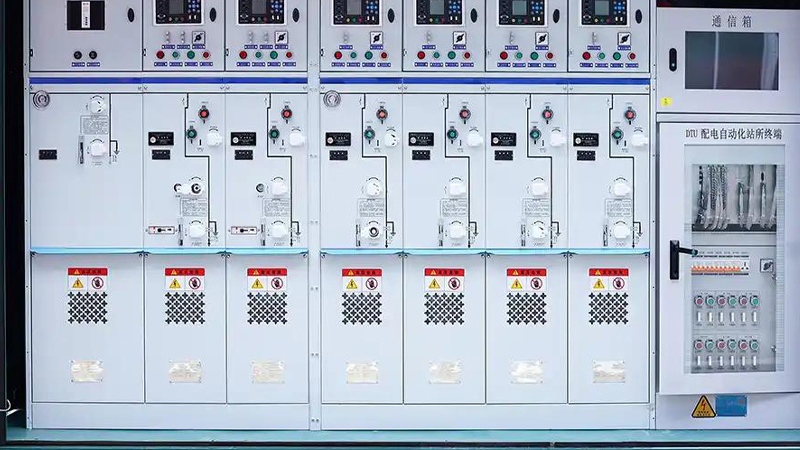
The Cotenele smart Ring Main Unit (RMU) is a type of equipment developed on the basis of traditional RMU. Traditional RMU mainly performs basic switching and protection functions, while smart RMU incorporates digital technologies such as advanced analytics, remote monitoring, automatic fault detection, and grid reconfiguration. It is typically equipped with sensors, communication modules, and Remote Terminal Units (RTU), enabling real-time data collection and seamless integration into smart grid platforms.
Compared to traditional devices, the advantages of Cotenele smart RMU are manifested in belowing several aspects:
1. The reliability is enhanced.
Leveraging the monitoring, protection, control, and automation capabilities provided by the ring network structure and RTU, the system operates more stably. Automatic fault isolation and power restoration can significantly reduce the duration of power outages and also contribute to improving the System Average Interruption Duration Index (SAIDI).
2. The operation and maintenance costs are lower.
Condition monitoring and predictive maintenance reduce manual intervention, thereby lowering operation and maintenance expenses. By utilizing thermal sensors, partial discharge sensors, and predictive analysis for condition monitoring, potential faults can be detected early before they escalate.
3. Energy efficiency and load management are improved.
Advanced analytics in the RTU system help enhance energy efficiency, manage loads, and enable utility companies to optimize load distribution and electricity usage patterns.
4. It also contributes to environmental sustainability.
By adopting a sulfur hexafluoride (SF6)-free solution, the use of gases with high global warming potential can be avoided.
5. Restore power supply faster.
Decentralized automation enables smart RMU to detect faults on its own and quickly restore power supply without requiring human intervention.
6. Upgrading is more flexible.
The smart RMU solution can achieve varying degrees of automation for different parts of the power grid. With the help of remote input/output expansion, it is not necessary to replace existing main equipment during upgrades, thus significantly reducing deployment costs.
7. In terms of monitoring, smart RMU is significantly superior to traditional RMU.
Traditional devices only monitor voltage, current, and switch status; smart RMU can also track voltage, current, temperature, humidity, partial discharge, SF6 concentration, and switch position. Additionally, it is equipped with intelligent actuators, wireless transmission within the cabinet, and a DTU (Data Transmission Unit) communication system, enabling differentiated and remote operations.
Applications of Smart Ring Main Units
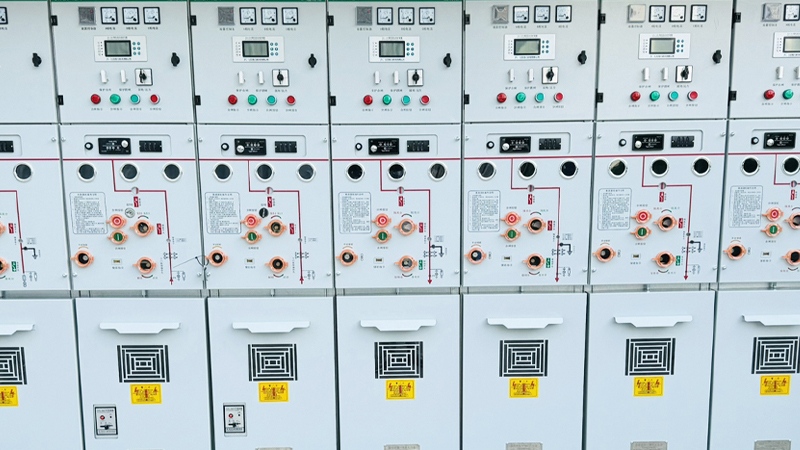
1. Smart ring main units (RMUs) are changing how distribution networks are monitored and controlled. With better fault detection, remote switching, and real-time data analysis, they have become a practical—and often necessary—choice for modern grid infrastructure.
2. The most familiar use case is the urban distribution network. Several transformers are tied together through RMUs to keep supply reliable. Smart RMUs also make medium-voltage automation easier, improve weather resilience, and help networks keep pace with growing cities.
3. Renewables are another major driver. Solar farms commonly use RMUs as collector-line switchgear, gathering multiple circuits and providing protection. Wind farms tend to install them on the high-voltage side of box-type substations for easier maintenance and isolation. In both cases, smart RMUs help manage loads and maintain grid stability.
4. Industrial parks and factories often run ring networks to limit outage losses. Smart RMUs handle heavy, multi-circuit loads and suit the power demands of modern manufacturing.
5. Commercial complexes use them for energy management. Intelligent monitoring and load forecasting let operators fine-tune the power mix and reduce operating costs.
6. For data centers, hospitals, airports, and military sites, continuity is critical. Smart RMUs are widely used to keep operations running without interruption.
7. Underground substations and other space-limited sites call for compact equipment. Non-motorized gas-insulated smart RMUs are a good fit for these locations and for smart-grid architectures where space or environmental constraints are the main concern.
8. EV charging is a newer application. Smart RMUs provide stable distribution for charging stations and monitor charging loads to keep the grid safe.
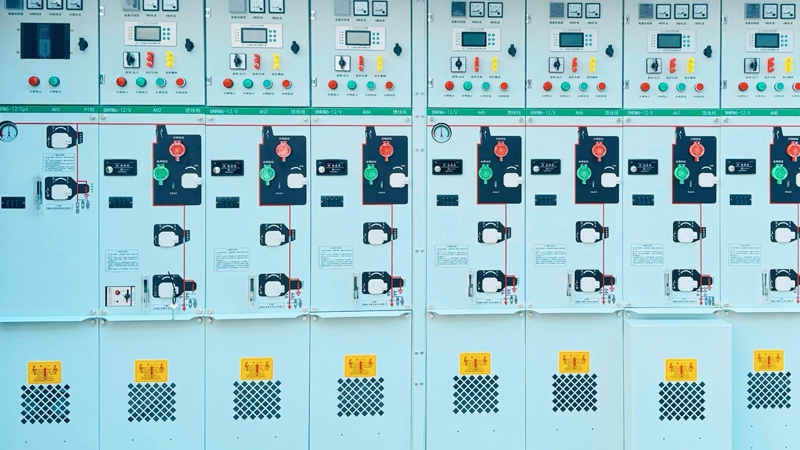
Cotenele: A Smart RMU Solution
Cotnele is a smart ring main unit (RMU) solution tailored to the needs of modern medium-voltage distribution grids. As utilities worldwide strive to automate their grids, enhance reliability, and achieve real-time monitoring, solutions like Cotnele are gaining increasing attention: they not only offer the functionalities required for a smart grid but also retain the compact and easy-to-operate characteristics of an RMU.
Functionally, such smart RMU is generally equipped with high-precision current and voltage sensors for accurately determining the fault location and monitoring; digital communication adopts international standard protocols such as IEC 61850, IEC 60870-5-101/104; it also supports peer-to-peer communication based on the General Object Oriented Substation Communication (GOOSE) for rapid coordination of protective actions. The combination of high-precision sensors, logical selectivity, and digital communication enables faster fault clearance, minimizes the scope of power outages, improves selectivity in medium-voltage power grids, reduces energy loss, and maintains distribution continuity.
The Cotnele-style smart RMU also features automatic reclosing and sectionalization functions, with the automation level adjustable according to the actual needs of the network. Operation and maintenance personnel can directly enable the desired automation mode through software parameterization, allowing for customized grid management methods that strike a balance between reliability, cost, and operational complexity.
In terms of architecture, such solutions can typically be integrated into SCADA systems and IoT platforms, enabling utility companies to conduct real-time diagnostics, remotely isolate faults, and manage automatic load control. Therefore, they are suitable for industrial centers, smart grid systems, and renewable energy parks. Leveraging these capabilities, grid operators can reduce manual intervention, significantly shorten outage duration, and enhance operational control capabilities in a dynamic grid environment.
Additionally, comprehensive intelligent ring main unit solutions like Cotnele also take environmental issues into account, supporting sulfur hexafluoride (SF6)-free insulation technology. As regulatory pressure on greenhouse gas emission reduction increases, manufacturers are developing environmentally friendly alternatives that maintain insulation quality while minimizing environmental impact.
Conclusion
With the significant transformation taking place in the global distribution system, the positioning of ring main units has evolved from protective devices consisting of load switches and fuses to key components that undertake digital tasks in smart grids today. From gas insulated basic units to intelligent interconnected ring main units that integrate sensing, communication, and automation.
With the increasing demand for reliable and automated systems in medium voltage distribution, investment in modernizing the power grid is continuously increasing, and the proportion of renewable energy access is also constantly increasing. In 2024, the global market size of intelligent ring main unit (RMU) will be approximately 2.2 billion US dollars; By 2034, it is expected to rise to $4.9 billion, with a compound annual growth rate of 8.3% from 2024 to 2034.
In recent years, cities around the world have been expanding, renewable energy penetration has deepened, and users' requirements for continuous power supply have become stricter. Intelligent RMUs are playing an increasingly important role. The Cotnele intelligent ring main unit solution can promote the modernization of the distribution network without the need for utility and facility operators to replace existing infrastructure on a large scale. In the future, with the wider application of intelligent RMU technology, the power industry will have more opportunities to achieve a reliable, efficient, and sustainable energy future.