Products
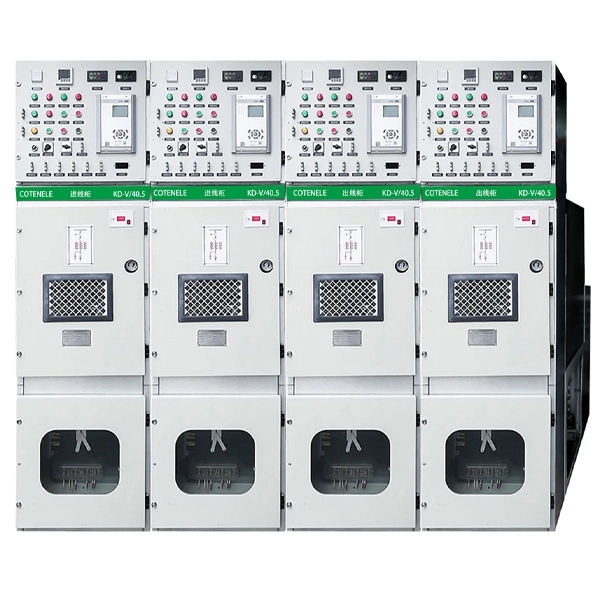
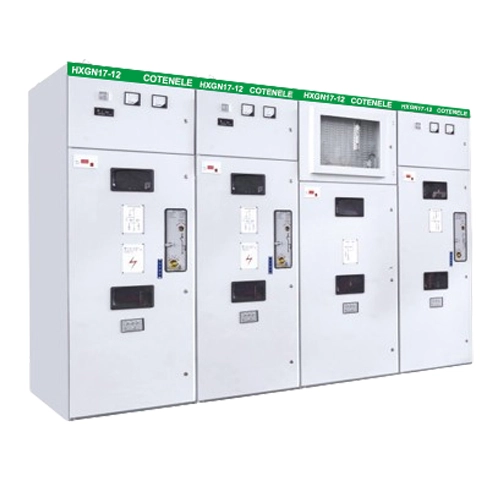
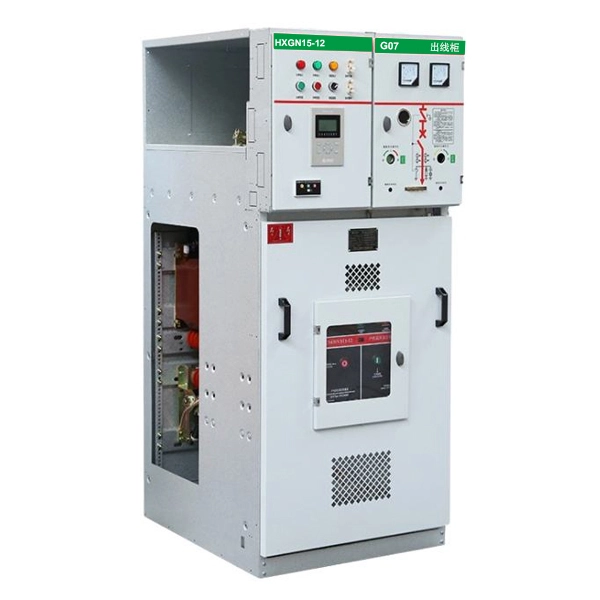
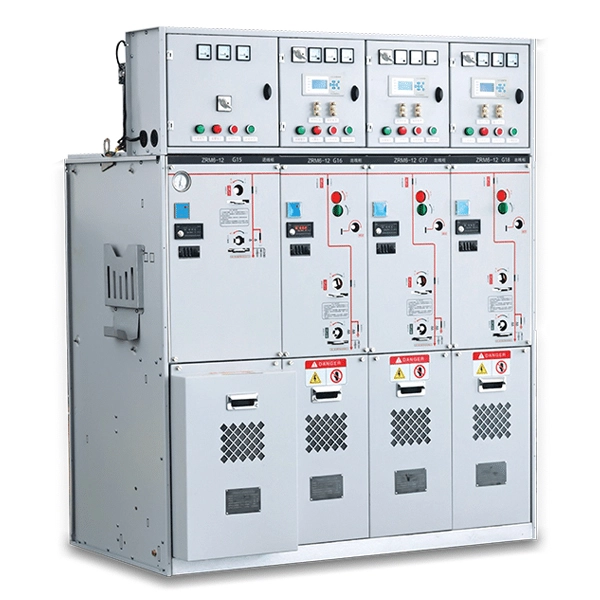
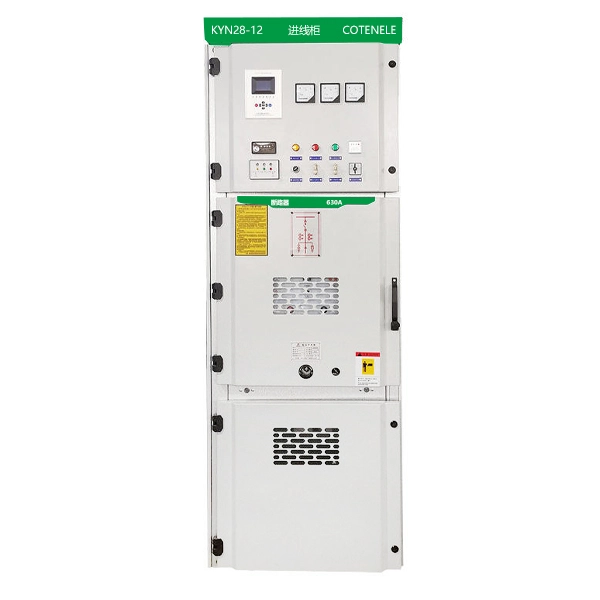
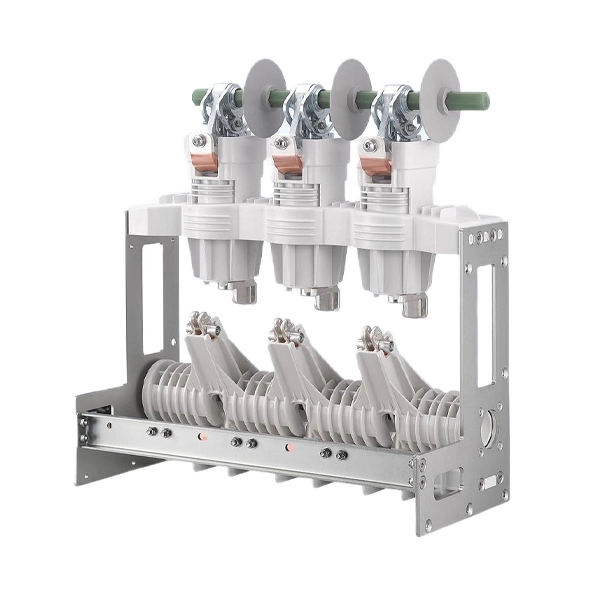
11KV Medium Voltage Vacuum Circuit Breaker with Isolating Switch
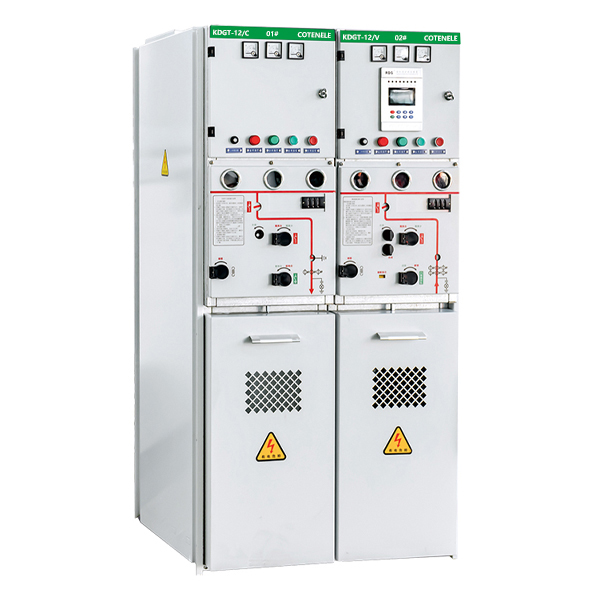
The 11kV Medium Voltage Vacuum Circuit Breaker with Isolating Switch by Cotenele is a reliable and maintenance-free solution for medium-voltage power distribution systems. As a professional China switchgear manufacturer, we provide high-performance VCB units with integrated isolation function, ensuring safe operation, compact structure, and long service life. Widely used in substations, railway systems, and industrial power networks, our products support OEM/ODM customization and meet international standards.
The 11KV Medium Voltage Vacuum Circuit Breaker With Isolating Switch is a critical device in medium-voltage power distribution systems. It merges the superior current-interrupting capability of the vacuum circuit breaker with the reliable electrical isolation function of the disconnector within a single unit. The vacuum circuit breaker safely interrupts both normal load and fault currents using its vacuum interrupter, making it particularly suitable for frequent operation with minimal maintenance. The disconnector provides a visible air gap after the breaker opens, ensuring absolute safety during maintenance.
Modle and meanings
| KD | S | V | 12 | D | 630 | 20 | X |
|
Company code |
Environmentally friendly switchgear |
Vacuum cirouit breaker+Disconnector |
Rated voltage |
Earthing type |
Rated current |
Rated Short-time withstand current |
Lower isolation |
The Definition Of A Vacuum Circuit Breaker
A 11KV Medium Voltage Vacuum Circuit Breaker With Isolating Switch is an electrical equipment combination. This unit primarily consists of two main parts:
Vacuum Circuit Breaker Unit
The VCB is responsible for interrupting normal load currents and short-circuit fault currents safely. It uses a vacuum-based arc extinction technology to ensure the safe breaking of current.
Disconnecting Switch
The disconnector is mechanically linked or integrated with the VCB. It provides a physically visible air gap when in the open position, ensuring safe isolation of downstream equipment from the power source during maintenance.
This visible break guarantees that the equipment is isolated and earthed, making it safe for workers to operate.
It is important to note that while the VCB can operate under load, the disconnector is an off-load device. It must only be operated after the VCB has already opened the circuit to ensure safety..
Working Principle
The operation involves the coordinated function of two distinct mechanisms:
Circuit Breaking (VCB Function): When the operating mechanism (spring or electromagnetic) is activated to open, the moving contacts inside the vacuum interrupting chamber separate. An electric arc is initiated in the metal vapor released from the contact surfaces. The specially shaped contacts (often employing a longitudinal magnetic field design) control this arc, causing it to rotate rapidly. The metallic vapor condenses on surrounding shields, and the arc extinguishes at the natural current zero of the AC cycle. The vacuum medium rapidly recovers its high dielectric strength, interrupting the current.
Disconnector Function: After opening the electrical circuit by the vacuun circuit breaker, the isolating mechanism can be activated (manually or motor-operated). The vacuum circuit breaker physically drives isolating contacts which separated from the VCB's vacuum interrupters, will open, create a clear, visible air gap in the main current circuit. After completing the appropriate grounding procedure, workers can safely operate within the isolation area by relying on the reliable isolation point formed by the gap.
The Structure Of Vacuum Circuit Breaker
The structure of 11KV Medium Voltage Vacuum Circuit Breaker With Isolating Switch includes belowing features:
Vacuum Interrupting Unit (Core components): This is the best important function. Every phaseincludes a sealed vacuum interrupter. Its main components are: the Hermetic Insulation Shell (ceramic/glass envelope), the Conductive System (fixed/moving contacts and conductors, often with axial magnetic field design for high breaking capacity), and the Shielding System (metallic shields to protect the insulation and control electric fields).
Operating Mechanism: A single, common mechanism (like a spring-operated or electromagnetic type) typically provides the energy for both the VCB's quick make/break actions and the sequential operation of the disconnector. Interlocks ensure the correct sequenceand and reliable safety: the isolating switch can only operate when the VCB is open.
Disconnector Assembly: This consists of a set of isolating contacts (knife-switch type or modern linear-motion types) for each phase, mounted in series with the VCB interrupters. They are mechanically linked to the main operating mechanism or have a dedicated manual/motor drive with strict sequencing logic.
Support Structure and Insulation: The assembly is mounted on a sturdy frame. Insulating rods, pillars, or epoxy insulators provide the necessary dielectric and mechanical support between live parts, the earthed frame, and between phases.
Applications
Cotenele 11KV Medium Voltage Vacuum Circuit Breaker With Isolating Switch is widely used in:
Urban and industrial substations
Railway and metro traction power systems
Petrochemical and energy plants
Renewable energy distribution systems
Smart grid and municipal infrastructure
Steel, mining, and heavy industrial facilities
Circuit Breaker VS Isolation switch
The functions of a vacuum circuit breaker and an isolator are distinct. Here’s a comparison:
Primary Function:
1. Circuit Breaker: A protective switching device. It is designed to automatically or manually make, carry, and break currents under both normal load conditions and abnormal conditions (like short-circuits). Its the best function is to interrupt current, safely quenching the arc.
2. Disconnector (Isolator): A safety isolation device. Its sole function is to provide a visible break in the circuit, ensuring a reliable isolation gap for safety during maintenance. It has no designed ability to make or break any significant current.
Operation Under Current:
1. Circuit Breaker: Must operate to interrupt current. Its contacts part under load, and it is specifically designed to extinguish the resulting arc within its sealed vacuum chamber.
2. Disconnector: Must never be operated when current is flowing (except for negligible capacitive currents in some designs). Operating under load would cause a dangerous, uncontrolled arc in open air.
Design Cores:
1. Circuit Breaker: Engineering is mainly on contact materials for example copper-chromium alloys, contact pressure (which is to ensure low resistance and withstand electrodynamic forces, contact travel/speed which optimal opening/closing speed to control arcing time and prevent bounce, and achieving a high dielectric recovery in vacuum.
2. Isolating switch: Engineering is mainly on mechanical rigidity, clarity of the open/closed position for example visible gap, creepage/clearance distances for air insulation, and the isolating contact interface when closed under steady-state current is robust.
Sequence:
In the combined apparatus, the Vacuum Circuit Breaker (VCB) must always operate first to disconnect the electrical circuit. Only after it is confirmed that the current flow has been interrupted can the Disconnector be safely operated to create the physical isolation gap. This sequence is enforced through mechanical or electrical interlocks.
Technical Parameters
| SN | Content | Unit |
Technical Porameter |
| 1 | Main Circuit Resistance | uΩ | ≤60 |
| 2 | Over Travel | mm | 2-3 |
| 3 | Clearance Between Open Contacts | mm | 8-10 |
| 4 | Contact Bounce Duration at Closing Operation | ms | ≤2 |
| 5 | Average Opening Speed | m/s | 1.1-1.6 |
| 6 | Average Closing Speed | m/s | 0.6-1.2 |
| 7 | Out of Simultaneity of Contact Opening | ms | ≤2 |
| 8 | Out of Simultaneity of Contact Closing | ms | ≤2 |
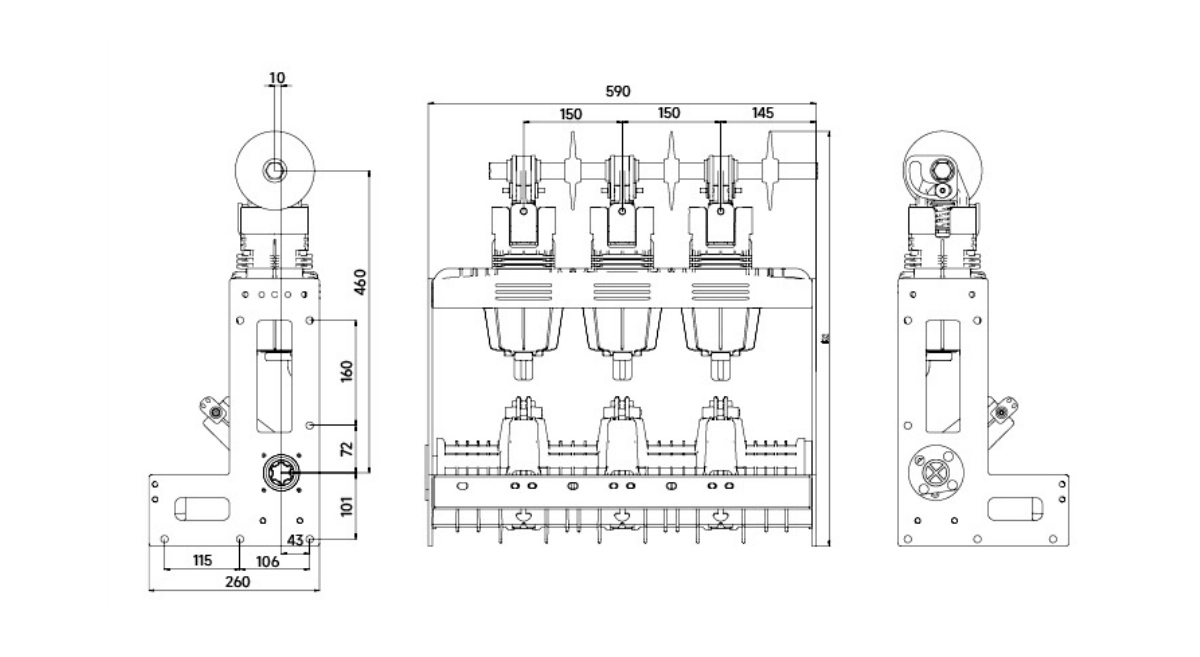
Appearance and Dimension
Quality Assurance
Type test and routine test before delivery
High-voltage withstand and insulation testing
Mechanical and lifecycle testing
Optional third-party inspection
Certified by:
ISO9001 Quality Management System
ISO14001 Environmental Management System
ISO45001 Occupational Health and Safety

FAQ
1. What is the difference between a vacuum circuit breaker and an isolator?
A vacuum circuit breaker interrupts current under load, while an isolator provides a visible disconnection point and must only operate when no current is flowing.
2. Why use an 11KV Medium Voltage Vacuum Circuit Breaker with Isolating Switch?
Because it offers high reliability, fast arc extinguishing, low maintenance, and long service life compared to oil or SF6 circuit breakers.
3. Can the isolating switch break current?
No. The isolator is strictly an off-load device and should only be operated after the circuit breaker has opened.
Products Show
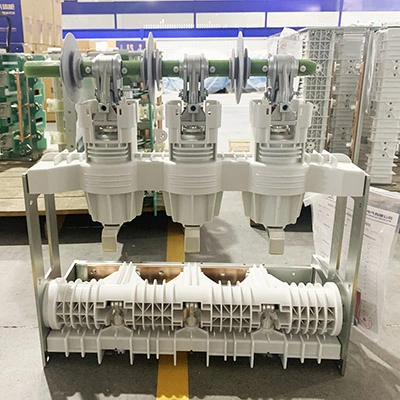
Front view
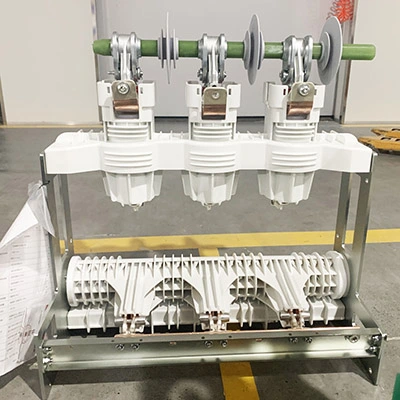
Opposite view
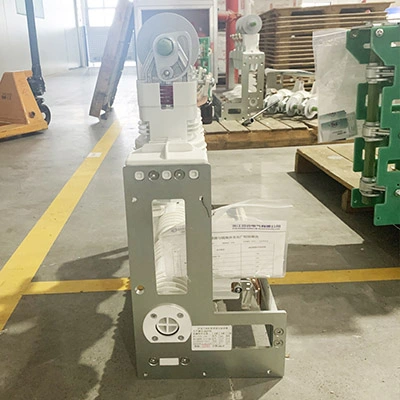
Side view1
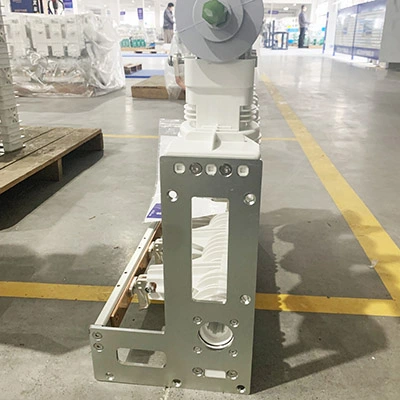
Side view2
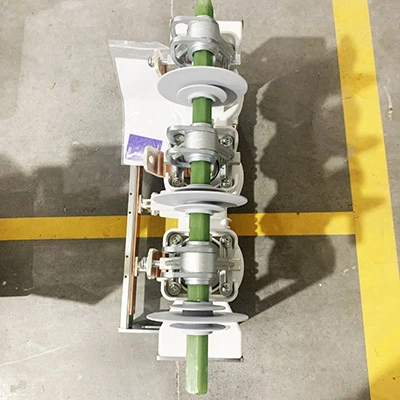
Top view
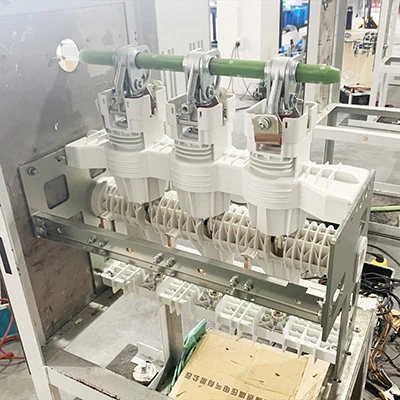
Testing View
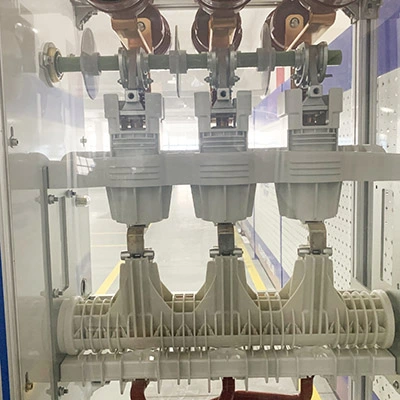
Installation Display
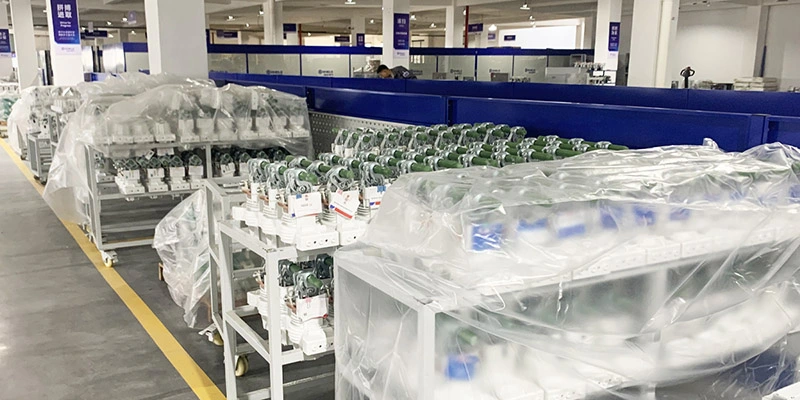
Our Workshop
Send Inquiry
Contact Info
-
Address
Building 2, Changhong Industrial Park, No. 501 Liule Road, Liushi Town, Yueqing City, Wenzhou City, Zhejiang Province, China
-
Tel
-
Email
Mobile/WhatsApp:
Related Products
News Recommendations