Products
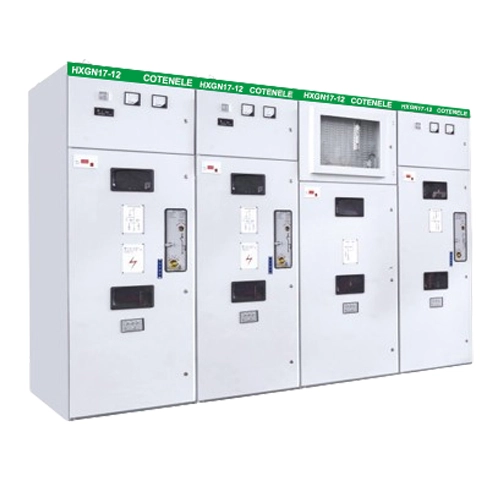
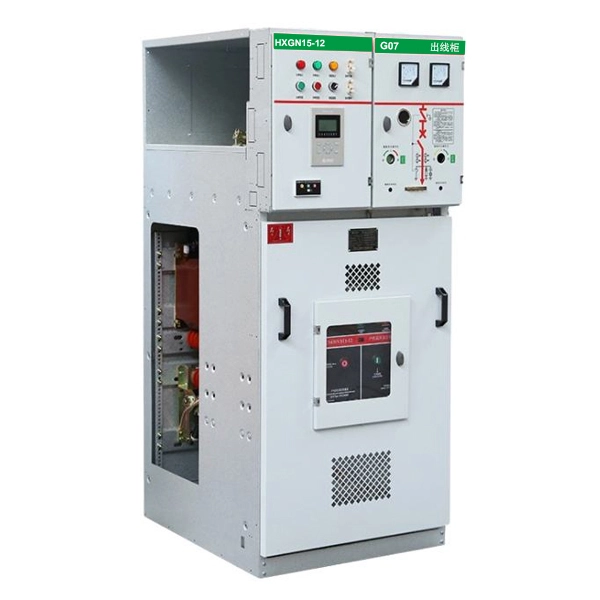
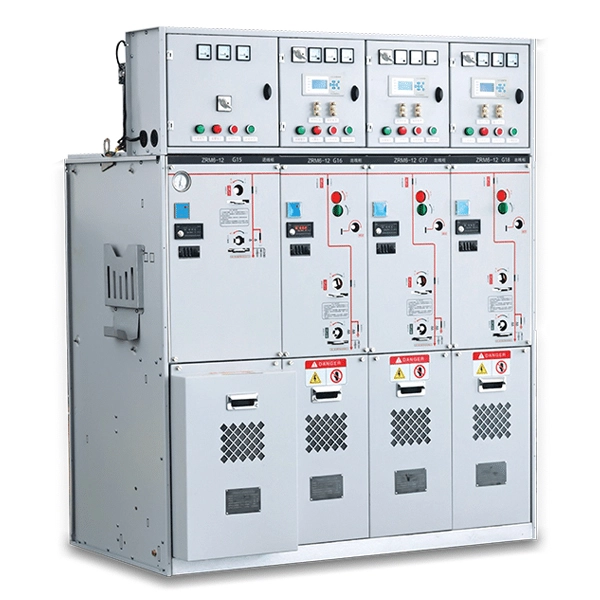
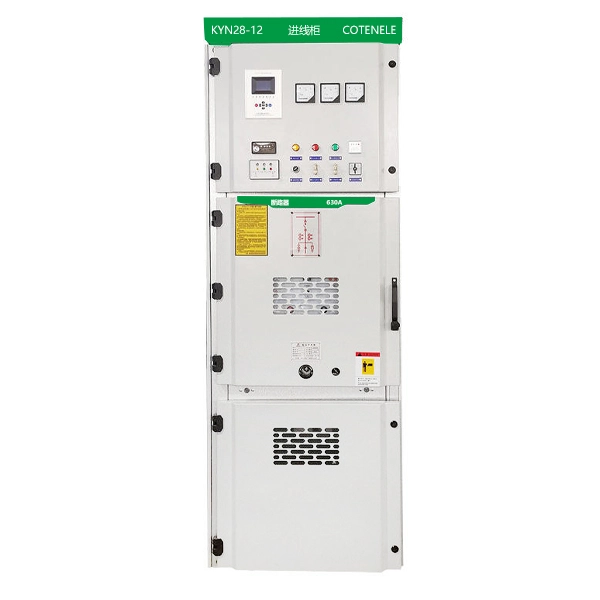
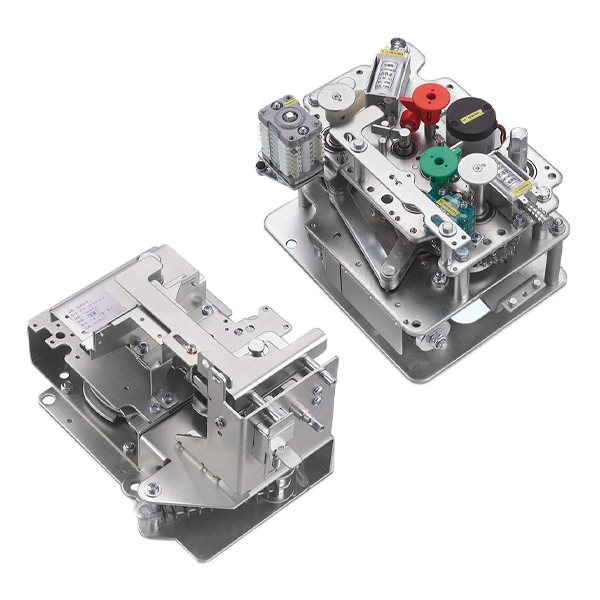
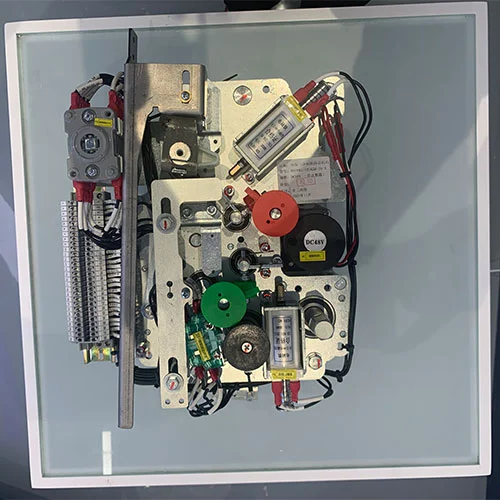
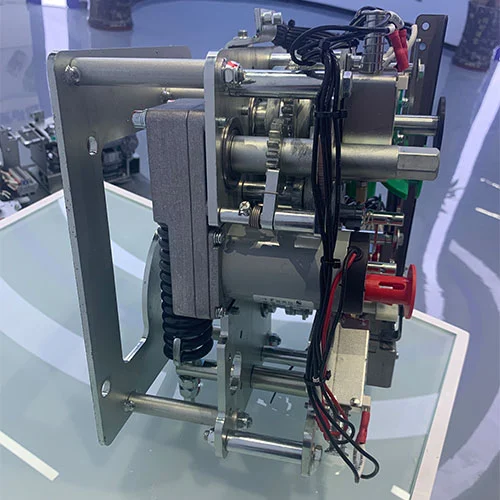
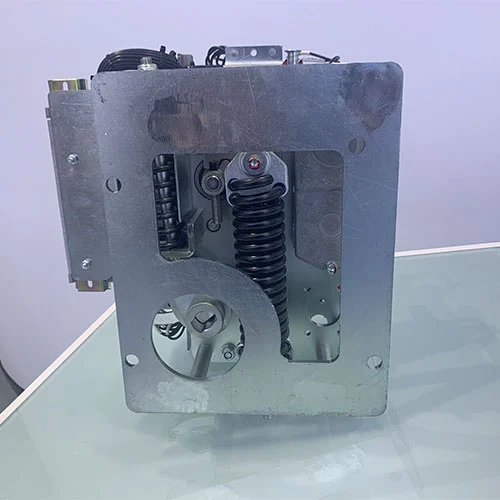
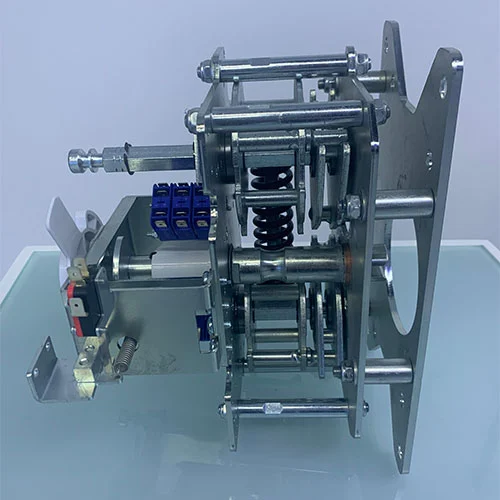
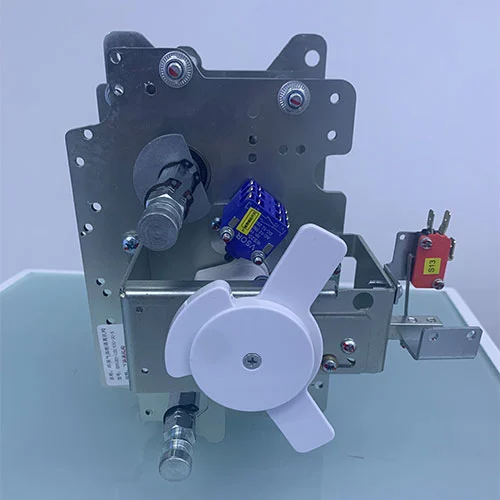
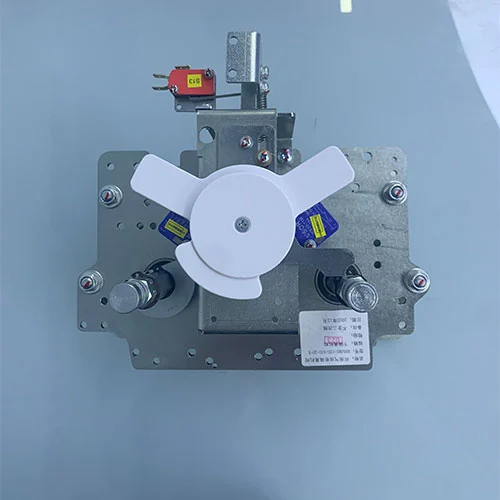
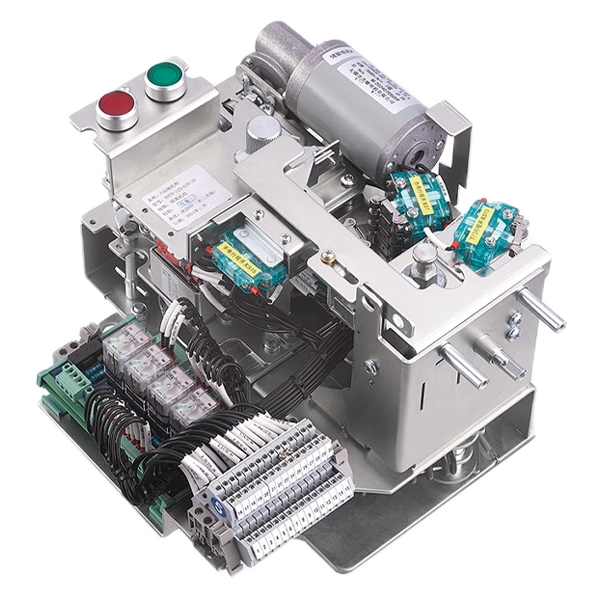
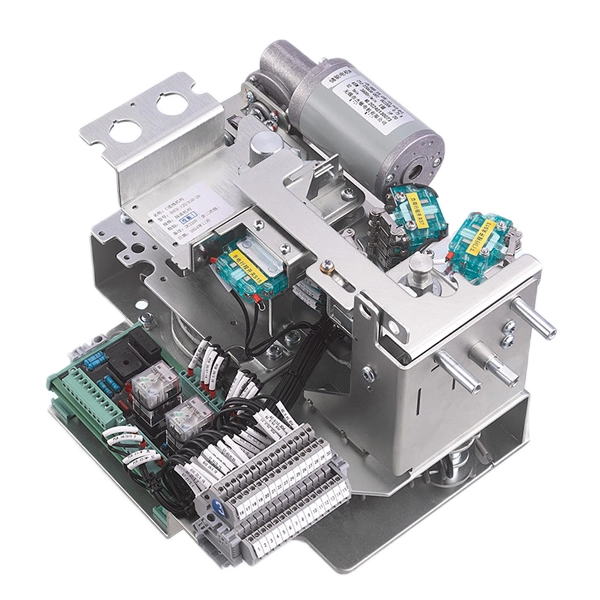
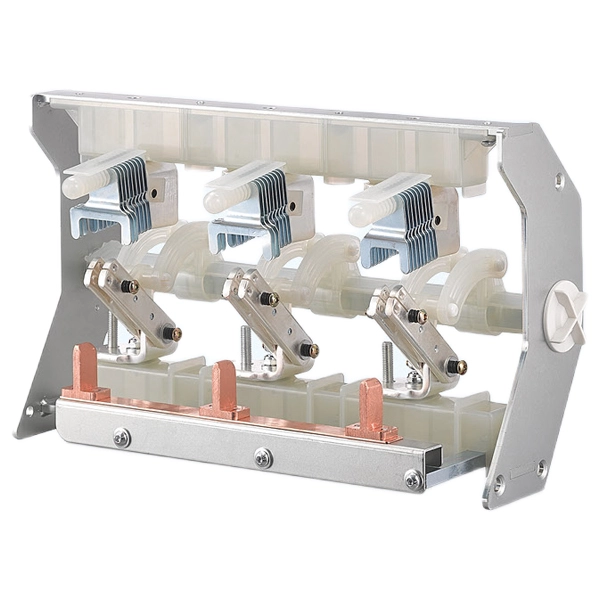
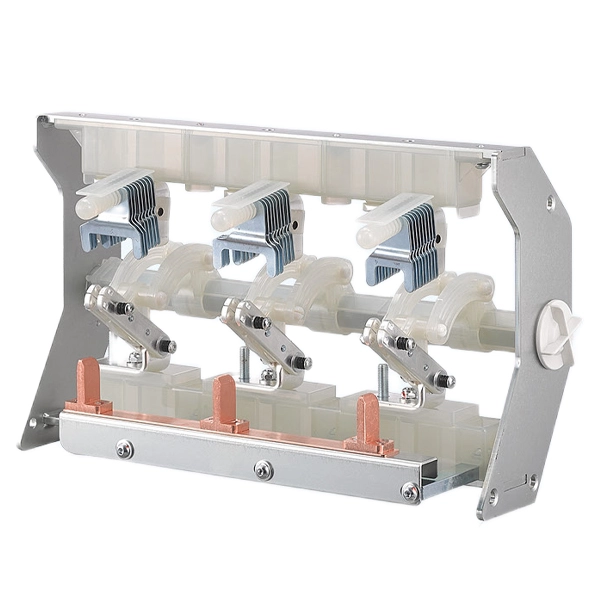
11KV Electrical Operation Mechanism for Circuit Breaker Isolating Switch
Cotenele, a professional China manufacturer, provides 11KV Electrical Operation Mechanism for Circuit Breaker Isolating Switch, a crucial component of environmentally friendly switchgear and ring main units (RMUs) widely used in power distribution systems. These core components of RMUs and environmentally friendly switchgear are critical to power grid reliability. Modular mechanism solutions can significantly improve the safety, space utilization, and lifespan of power equipment.
The 11KV Electrical Operation Mechanism For Circuit Breaker Isolating Switch is a combined drive system used in medium-voltage switchgear to control both:
Circuit breaker switching (load and fault interruption)
Isolating switch operation (safe visible isolation)
It acts as the core execution unit of the switchgear, ensuring accurate, safe, and coordinated switching operations.
Application
The 11KV Electrical Operation Mechanism For Circuit Breaker Isolating Switch is widely used in:
Power distribution networks
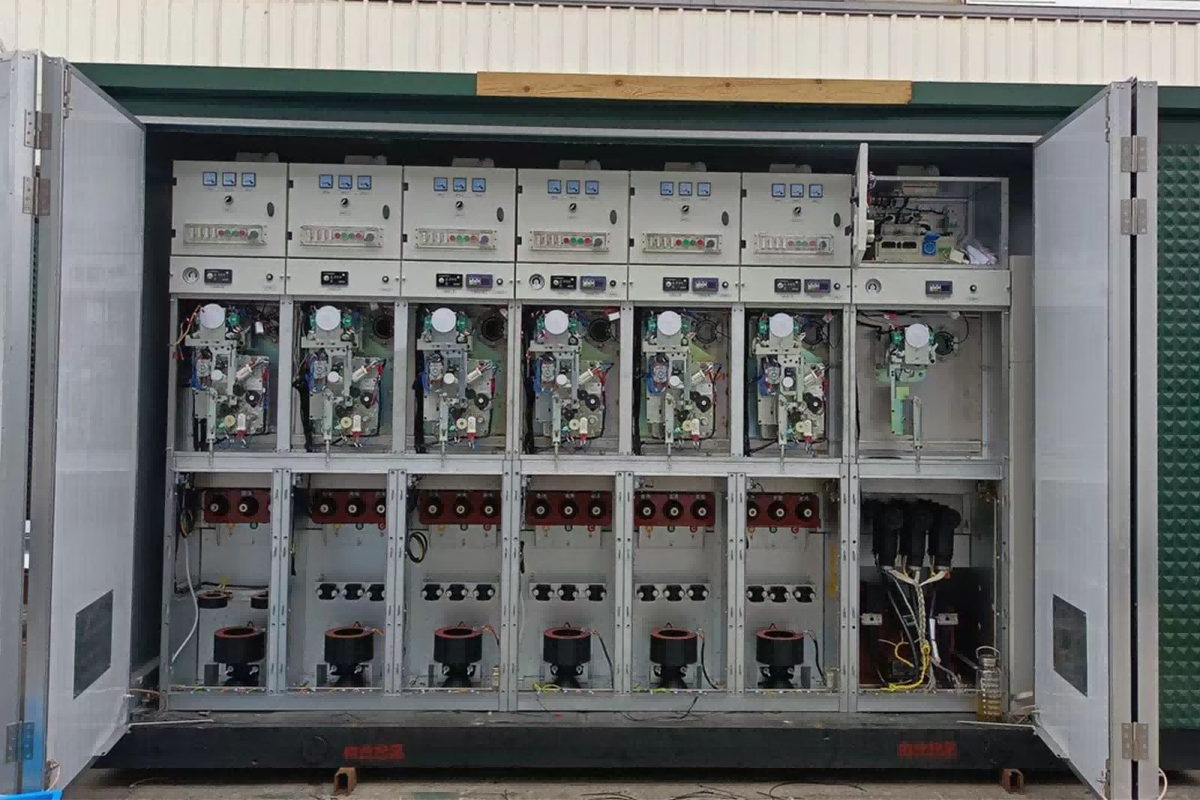
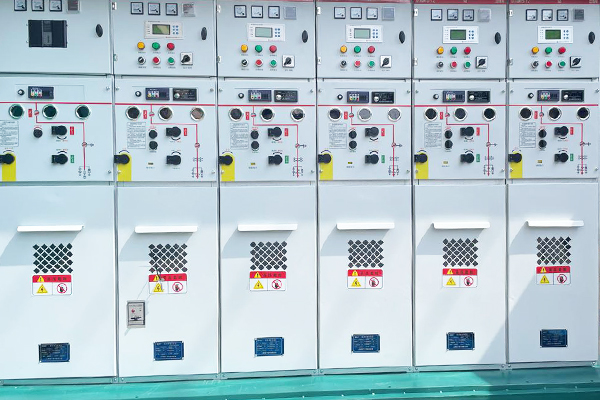
Ring Main Units (RMU)
Gas-insulated switchgear (GIS / C-GIS)
Wind and solar power projects
Railway and metro systems
Industrial and mining power systems
Project Cases
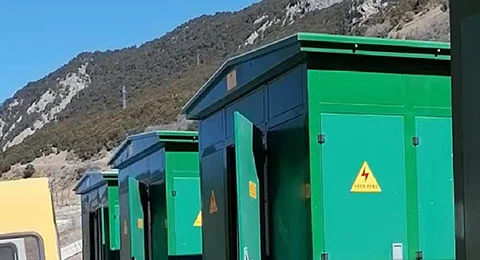
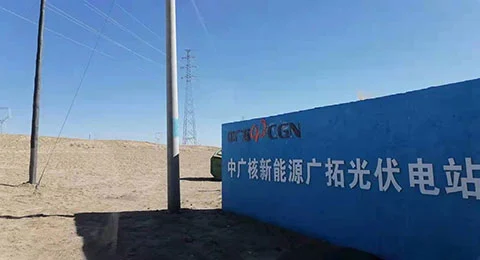
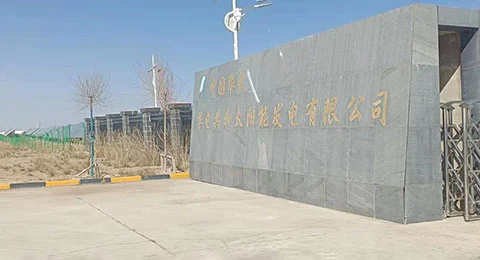
Cotenele mechanisms have been applied in:
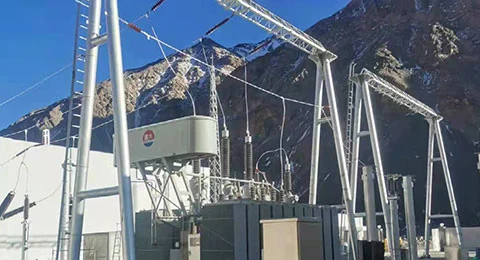
110kV Substation Projects
CR Power Offshore Wind Power Project
Qinghai 1600MW Photovoltaic Base
Sichuan-Tibet Railway Power System
Tajikistan 110kV Substation Expansion


Model and meaning
| KD | VM | 12 | 800 | 20 | X |
|
Company code |
Vacuum circuit breaker Operating mechanism |
Rated voltage |
Rated current |
Rated Short-time withstand current | Lower Isolator |
What is a Circuit Breaker Operating Mechanism?
A circuit breaker operating mechanism is a mechanical operation system which used to open and close the circuit breaker's contacts through createing, stoing, and releasing energy. This operation mechanism primary function is to ensure rapid response to electrical faults such as short circuits and overcurrent conditions, swiftly isolating affected sections to prevent system damage .
Operating mechanisms must always be capable of tripping the breaker, regardless of external conditions. Based on the force requirements, breakers may feature either individual mechanisms per phase or a single mechanism operating all three phases simultaneously. The mechanism comprises three essential subsystems: the energy storage medium, actuating circuit, and interlocking systems.
There are several different operating mechanisms
The spring operation mechanism adopts springs to store the mechanical energy. Normally, the electric motor charges the closing spring, which is secured in a compressed state by a locking mechanism. Once a closing signal is received, the latch will release, allowing the spring to drive the contacts to close while charging the trip spring. The closing spring will recharge again for subsequent operations promptly.
The hydraulic device uses pressurized gas to guide oil flow and drive the connecting rod connected to the circuit breaker. Pneumatic systems use compressed air as their energy source, while magnetic devices utilize electromagnetic coils or electromagnets, whose tension increases with the increase of current. Some designs combine electromagnetic force with spring assistance.
The 2005 CIGRE circuit breaker survey emphasized the crucial importance of operating devices, which found that 70% of component failures were related to operating devices, and over 50% of major circuit breaker failures were also caused by this.
What Is A Isolating Switch operation Mechanism?
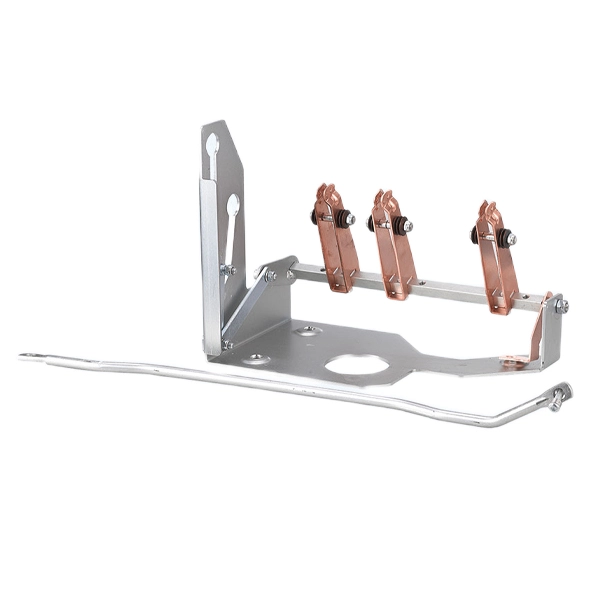
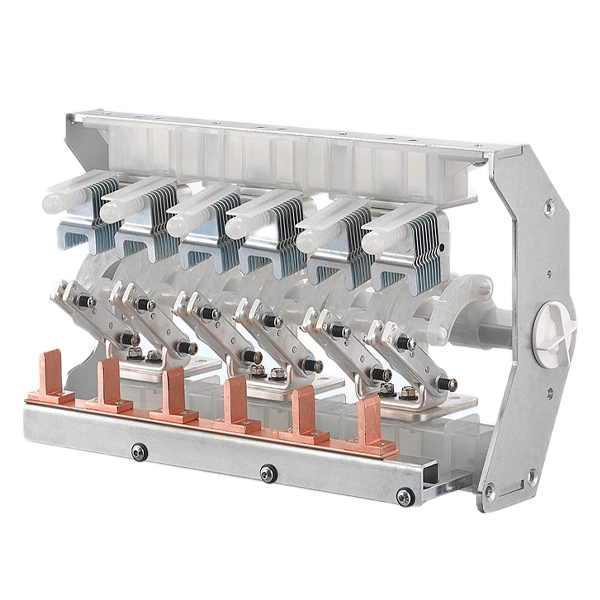
A disconnector (also known as an isolating switch) is the core component of a medium-voltage ring main unit, This sort of switch can provide visible isolation of electrical circuits for maintenance and safety purposes. The disconnectors are different with circuit breakers, disconnectors are not designed to interrupt load currents or fault currents, but operate when the circuit is already de-energized.
Disconnector operating mechanisms convert manual or motorized input into the precise mechanical movement required to open or close the main contacts. The main features of these isolating switch operation mechanisms are their operating speeds are lower than circuit breaker operation mechanisms and provide the visible contact position .
Modern disconnector mechanisms often incorporate
Multi-motion kinematics: Many designs employ compound movements where the main blade first lowers to horizontal position before rotating to apply contact pressure at both hinge and jaw ends. This "reverse-loop" contact design accommodates high short-circuit currents.
Independent manual operation: Advanced mechanisms allow both front and side manual operation without requiring additional apparatus. Cam wheel designs with opposing protuberances enable smooth operation regardless of operator speed, ensuring consistent mechanical performance .
Position indication: Auxiliary contacts within the drive mechanism provide remote position indication, essential for modern supervisory control systems.
Disconnector mechanisms may be configured for single-pole or three-pole operation, with coupling rods interconnecting poles when a single drive is employed. The frame, typically hot-dip galvanized steel, mounts the insulators and rotating elements, ensuring long-term durability.
Features of Combined Circuit Breaker and Disconnector Mechanisms
In the modern power distribution grid, the combination of circuit breaker and disconnector operating mechanisms for the medium-voltage RMU and environmentally-friendly switchgear is acommon technology . The11KV Electrical Operation Mechanism For Circuit Breaker Isolating Switch for environmentally friendly switchgear who manufactured by the Cotenele, offering several distinctive features:
Integrated kinematic sequences: Combined mechanisms coordinate the timing between breaker operation and disconnector movement. During opening operations, The disconnector will contacts separate after arc interruption is complete, while closing operations verify proper alignment before main contact closure .
Compact mechanical interlocking: Integrated designs incorporate built-in interlocks that prevent improper operating sequences. For example, the mechanism may prevent disconnector operation while the breaker carries current, or block reclosing until isolation is complete. This satisfies "five-prevention" requirements for distribution systems .
Spring-based energy storage: Many combined mechanisms use tension springs operating over center points to control closing actions, while compression springs manage opening energy. This configuration mechanical life can exceed 10, 000 cycles. The stored energy principle can ensure that operating speed of the operation mechanism remains independent of operator action, which will ensure the consistent fault interruption performance.
Reclosing capability: Modern combination of the operation mechanisms of the circuit breakers and disconnectors support automatic reclosing sequences, Both of these two components operation mechanism stores sufficient energy for close-open-close operations without requiring intermediate recharging.
Space optimization: The combination of these two operation mechanisms is suitable for the compact size RMU. For instance, Contenele RMUs width is 375 mm, this configurations achieve significant space savings compared to other manufactuers products, is suitable for installation in space-constrained urban environments .
Compliance with international standards: Combined mechanisms of these two switch operation mechanisms complies with the standards including GB1984-2014 for high-voltage AC circuit breakers and GB/T 1985-2023 for disconnectors and earthing switches.
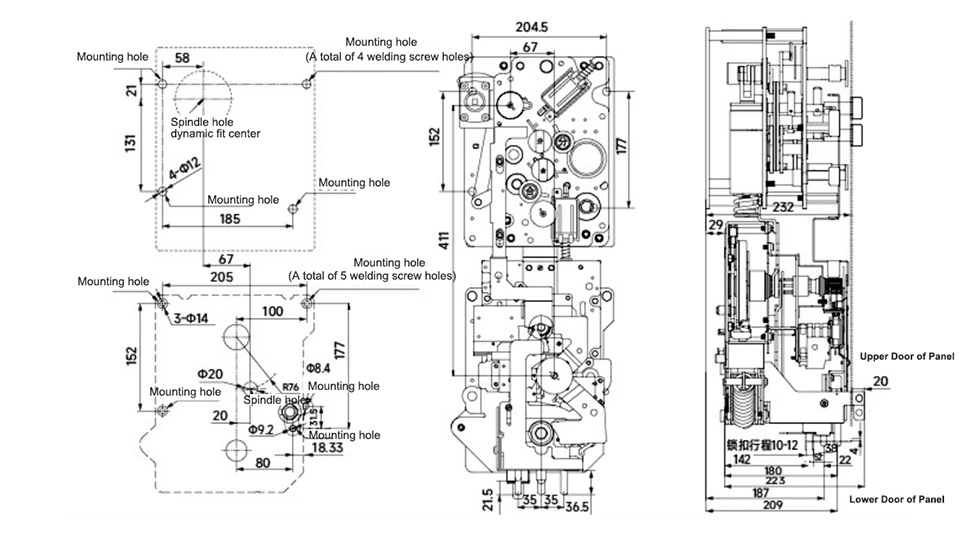
Appearance and Dimensions
About Us
Cotenele International Trade (Wenzhou) Co., Ltd:
30, 000㎡ manufacturing base
Focus on 12kV–40.5kV switchgear core components
ISO9001 / ISO14001 / ISO45001 certified
Recognized as Green Factory (2025)
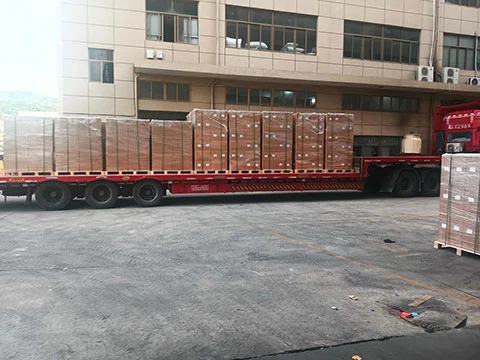
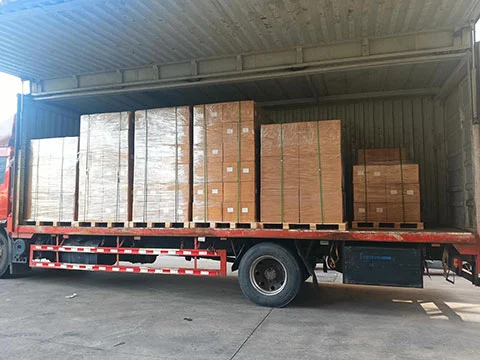
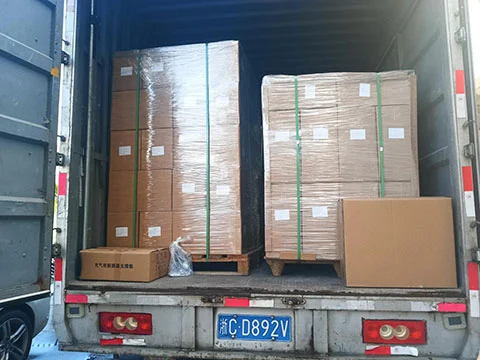
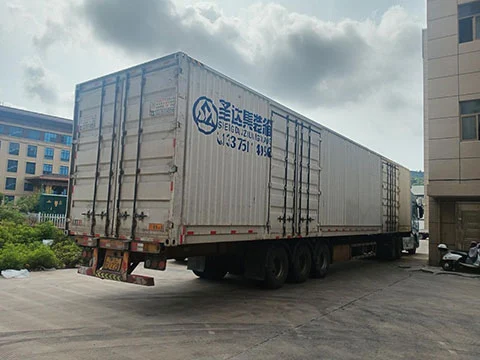
Shipping and Transportation
Products Show
Send Inquiry
Contact Info
-
Address
Building 2, Changhong Industrial Park, No. 501 Liule Road, Liushi Town, Yueqing City, Wenzhou City, Zhejiang Province, China
-
Tel
-
Email
Mobile/WhatsApp:
Related Products
News Recommendations