Products
Professional switchgear manufacturer delivering reliable power solutions
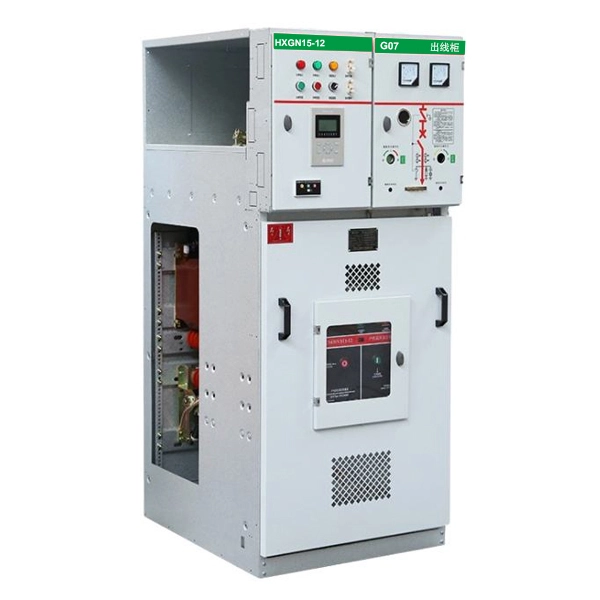
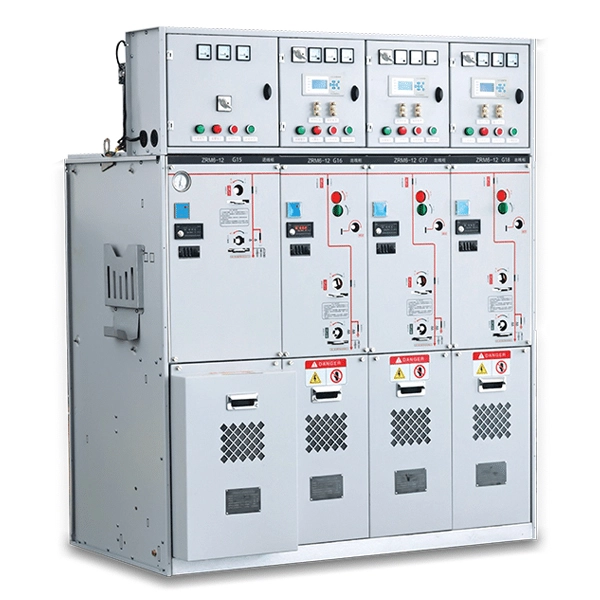
- View as
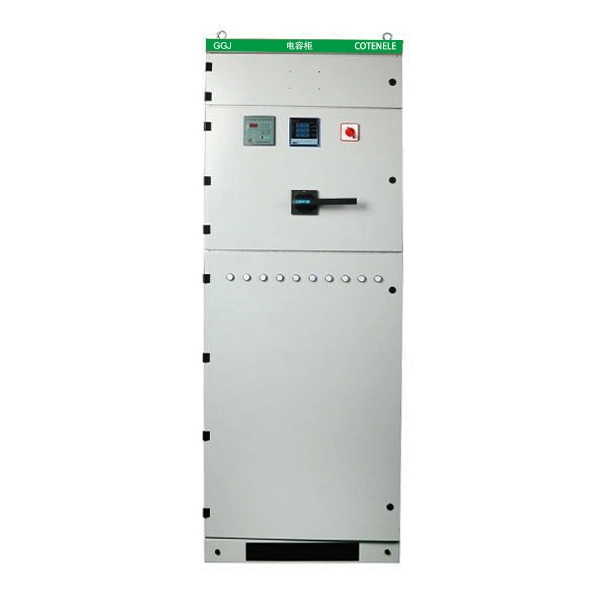
GGJ Automatic Reactive Power Compensation Device LV Panel
Cotenele is a exporter of low-voltage panels in China,the GGJ Automatic Reactive Power Compensation Device LV Panel we produced have been exported to multiple countries and regions.The GGJ low‑voltage intelligent reactive power compensation device adopts computer‑aided design (CAD) and incorporates a microcomputer control system to intelligently track and compensate reactive power. With its rational structure and advanced technology, it is widely used in low‑voltage power grids to improve power factor, reduce reactive losses, and enhance power supply quality. This device represents a new generation of energy‑saving products. It is specifically designed for reactive power compensation of three‑phase transformers with a capacity ranging from 130 to 600 kVA.
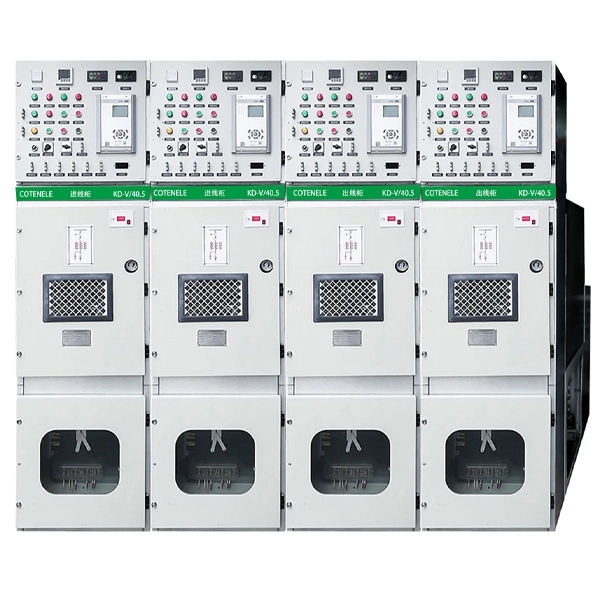
33KV Medium Voltage Gas Insulated System
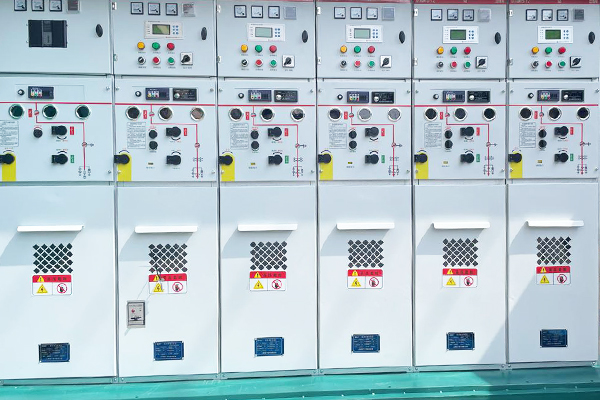
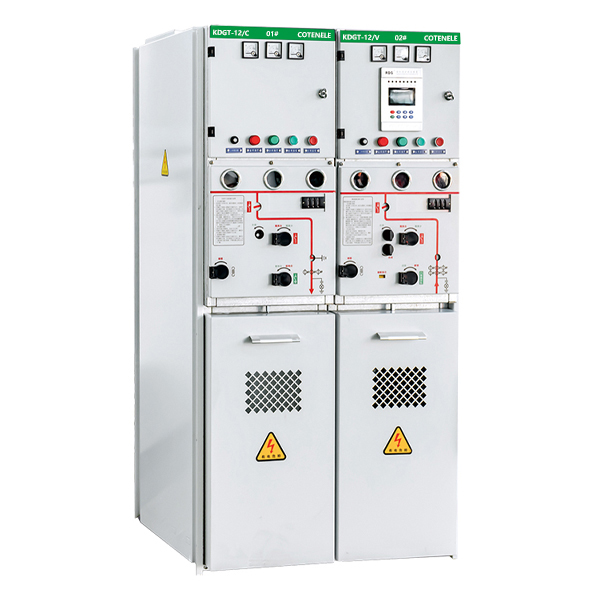
As a lager electric equipment manufacturer,Cotenele has long been committed to the research and development of new products for many years.The 33KV Medium Voltage Gas Insulated System is our newly developed product with a highest voltage level of 40.5kv.This medium-voltage ring main unit is a gas-insulated metal enclosed switchgear (C-GIS),Its core feature is to completely seal high-voltage live parts such as vacuum circuit breakers, isolating switches, and busbars in a stainless steel gas box filled with insulating gas.
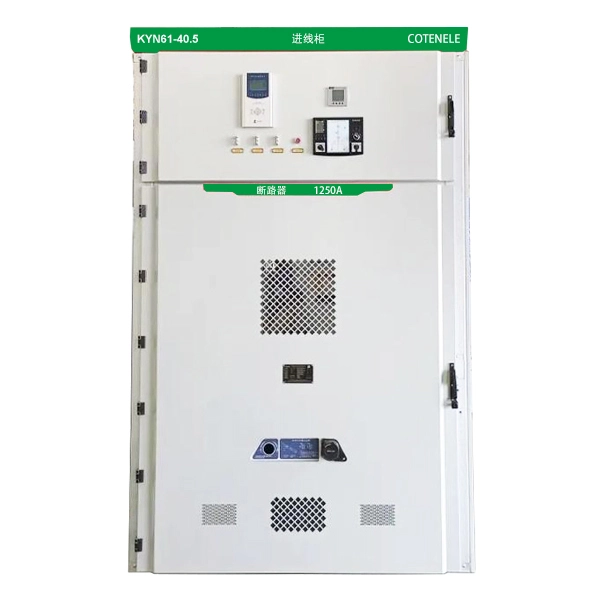
33KV Medium Voltage Metalclad Switchgear Panels
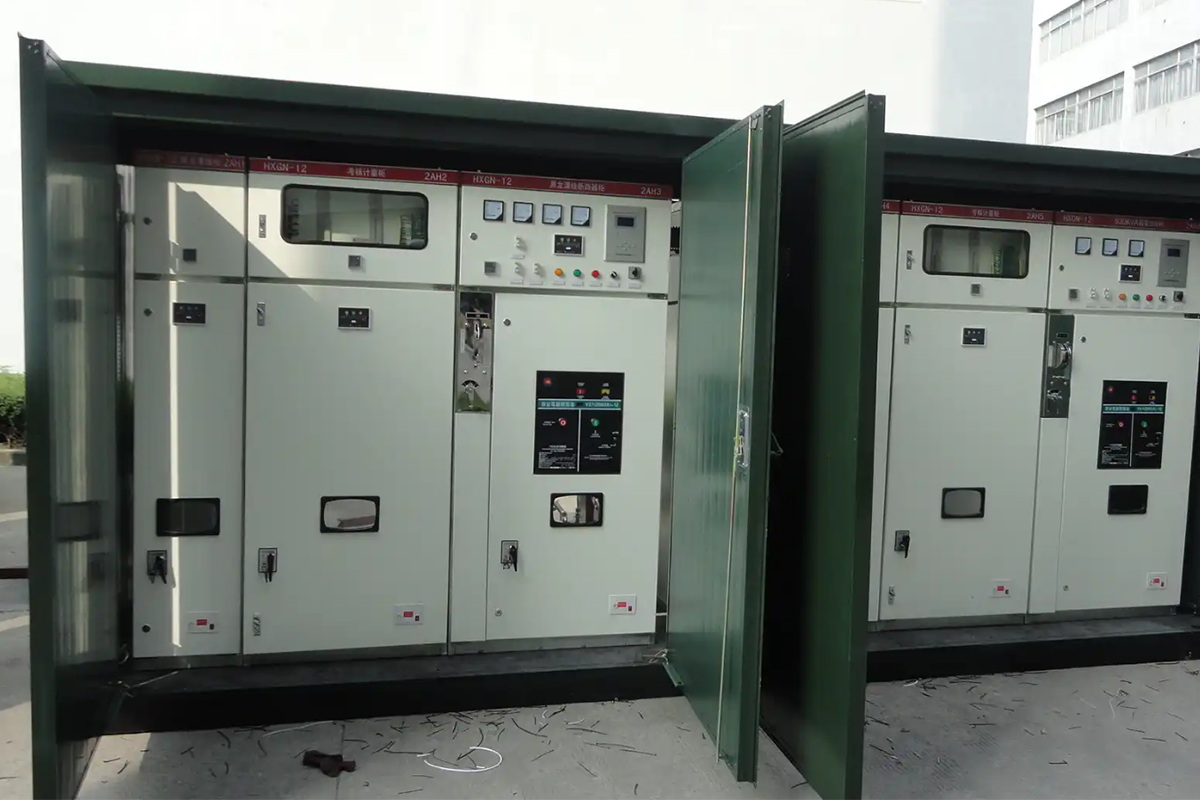
As a major exporter of medium-voltage switchgear in China, Cotenele’s products are widely distributed across global markets.The KYN61-40.5 (Z) series 33KV Medium Voltage Metalclad Switchgear Panels manufactured by Cotenele are designed for three-phase AC 50 Hz power systems. They are used for receiving and distributing electrical energy in power plants, substations, and distribution rooms of industrial and mining enterprises, while also providing control, protection, and monitoring of electrical circuits.
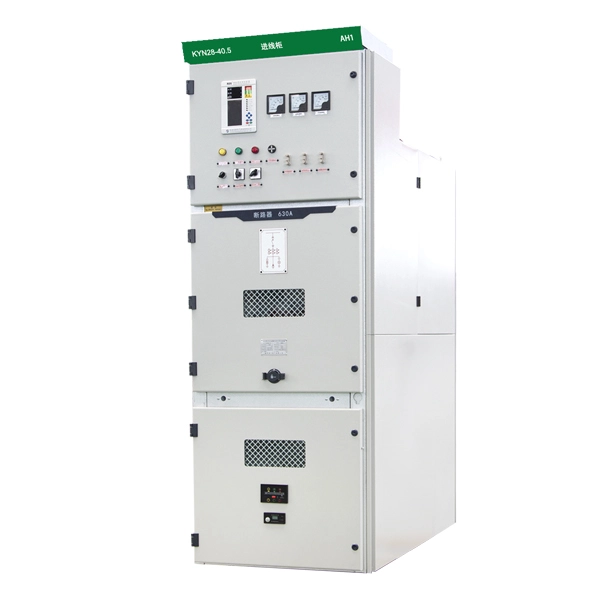
33KV MV Switchgear Medium Voltage Switch Gear
KYN28-40.5 medium-voltage switchgear is a new product developed by Cotenele, with a rated voltage of up to 40.5kv,This KYN28-40.5 type of 33KV MV Switchgear Medium Voltage Switch Gear, is primarily intended for three-phase AC power systems with a rated voltage of 40.5 kV and a frequency of 50 Hz. It is commonly applied in single-busbar and sectionalized busbar arrangements. The product design complies with relevant standards such as IEC 298 and GB3906-2006.
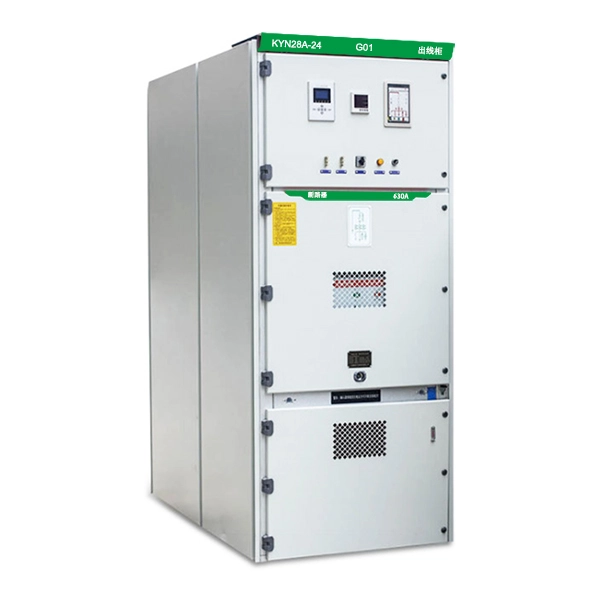
22KV Medium Voltage Metal Clad Switchgear
Cotenele has been committed to technological research and development in the field of medium voltage switchgear and ring main unit products for many years, covering a full range of switchgear panels with rated voltages from 3.6kV to 40.5kV.The KYN28-24 series 22KV Medium Voltage Metal Clad Switchgear we manufactured has advanced technology, is safe and reliable, has a reasonable structure, stable performance, and is easy to use. It is widely used in power plants, substations, industrial and mining enterprises, and commercial buildings.
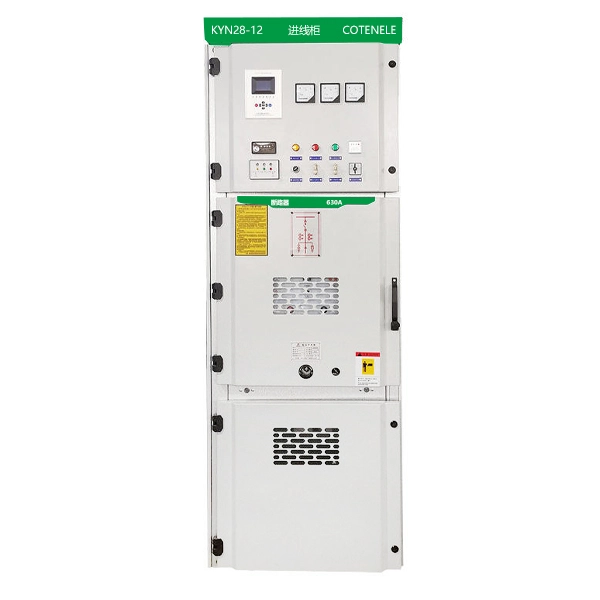
11KV Indoor Metal Clad Medium Voltage Switchgear
Cotenele is a manufacturing electrical panels factory which is located in Wenzhou city of China,we provide kyn28-12 series 11KV Indoor Metal Clad Medium Voltage Switchgear and the internal core components such as vacuum circuit breaker,load break switch,current transformer and voltage transformer ect within them,our eletrical products have exported lots of countries and regions oversea,and they are widely praised by our clients.
What Is Switchgear?
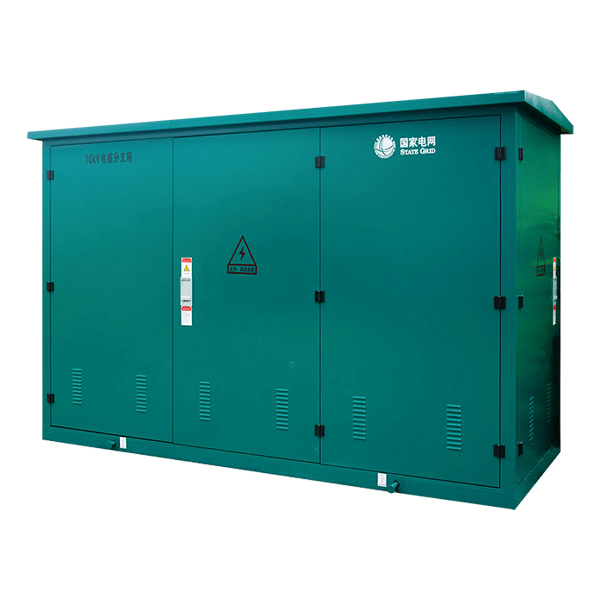
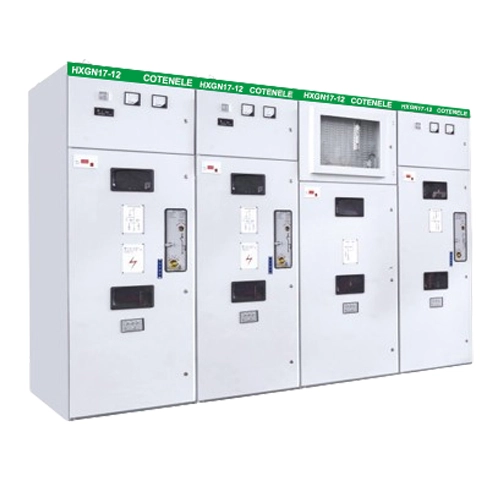
Switchgear (also known as metal-enclosed switchgear or assembled distribution equipment) is an integrated electrical system primarily composed of circuit breakers and related control devices.
It combines components such as circuit breakers, load-break switches, disconnectors, fuses, instrument transformers, surge protection devices, busbars, and insulation systems within a metal enclosure.
These components are assembled according to a defined electrical single-line diagram, forming a standardized and modular distribution unit.
The main functions of switchgear include:
- Switching electrical circuits
- System control and protection
- Measurement and monitoring of electrical parameters
Low voltage switchgear is typically used in distribution networks up to 1000V AC, while medium voltage switchgear is applied in systems ranging from 3.6kV to 40.5kV.
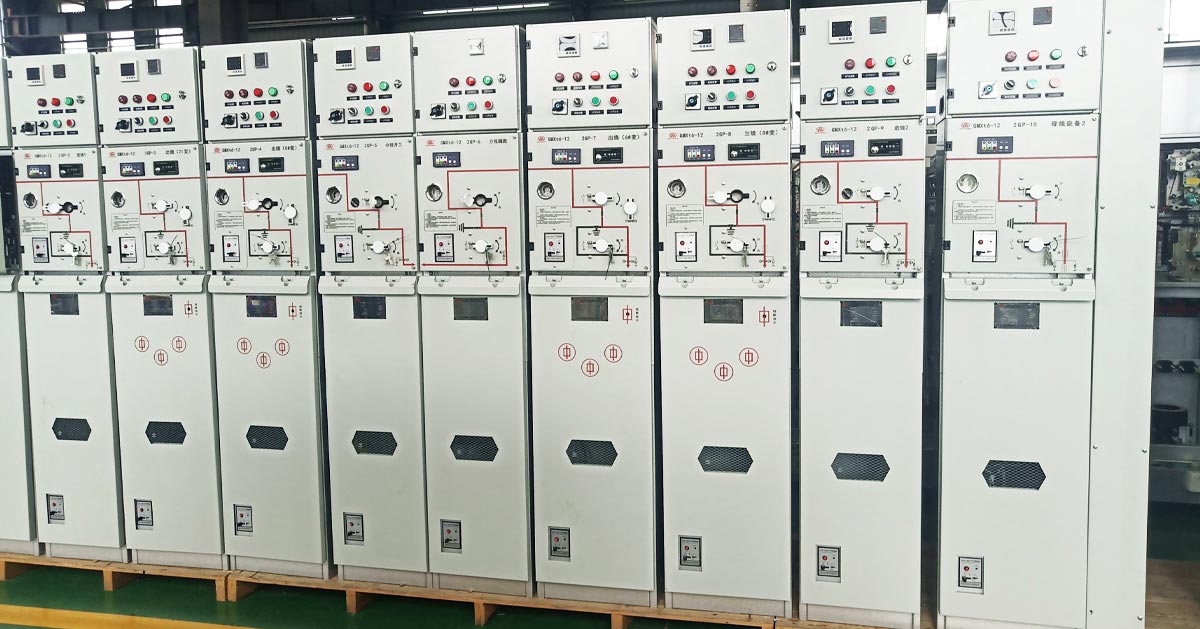
Types of Switchgear
Switchgear can be classified based on voltage level, insulation technology, structural design, and application function.
1. Classification by Voltage Level
| Aspect | Low-Voltage Switchgear | Medium-Voltage Switchgear |
| Voltage range | ≤1000V | 3.6kV-40.5KV |
| Primary task | Distribution and control (terminal) | Receiving and protection(mainline) |
| Core component | Moulded case circuit breaker(MCCB), Air circuit breaker(ACB) | Vacuum circuit breaker(VCB),SF₆ circuit breaker |
| Typical models | GGD,GCK,GCS,MNS | KYN28,XGN,C-GIS |
| Safety focus | Shock protection,arc flash | Strict five-prevention interlocking,insulation distance control |
2. Classification by Insulation Medium
Air-Insulated Switchgear
It uses air as the primary insulation medium. It features a mature structure, easy maintenance, and is widely used in traditional distribution systems. Typical examples include low voltage cabinets and medium voltage metal-enclosed switchgear systems.
Gas-Insulated Switchgear
It encloses all high-voltage components inside a sealed compartment filled with SF₆, nitrogen, or dry air. It offers excellent insulation performance, compact structure, and strong environmental adaptability.
Solid-Insulated Switchgear
It uses epoxy resin to encapsulate live components, providing strong resistance to harsh environments such as humidity, dust, and pollution.
3. Classification by Structure
Fixed Type Switchgear
All components are fixed inside the cabinet. It features a simple structure and cost-effective design, commonly used in standard distribution systems.
Withdrawable Switchgear
The circuit breaker or functional unit is installed on a movable trolley, allowing easy maintenance and replacement. This structure improves modularity and operational flexibility. Medium voltage center-mounted switchgear is a typical example.
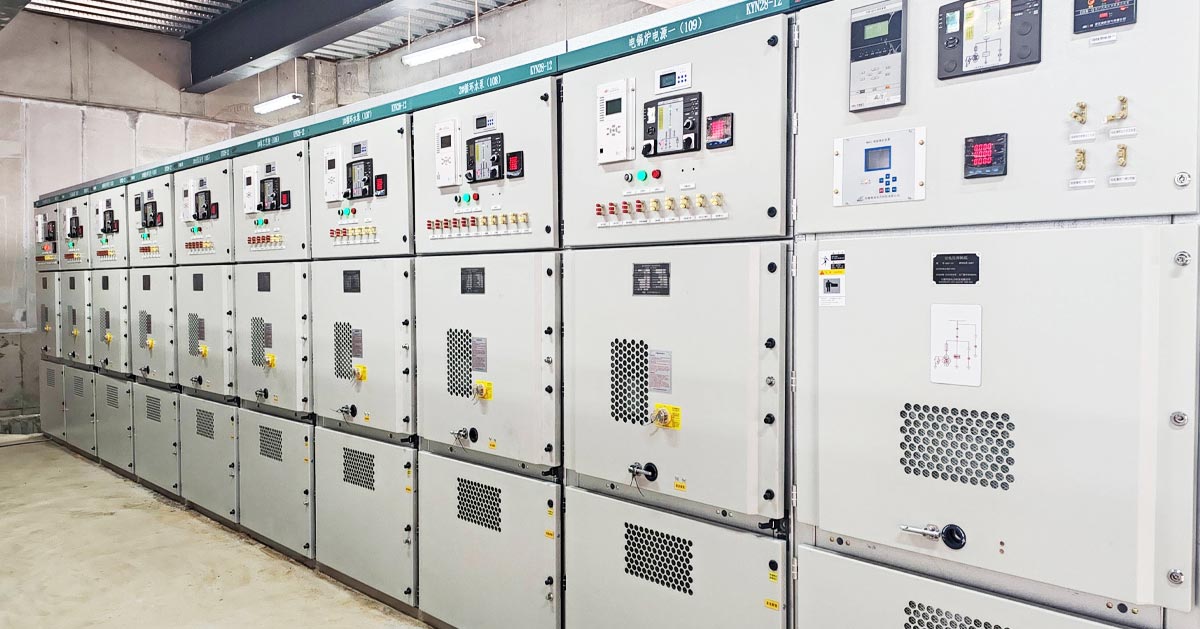
Typical Switchgear Types
Ring Main Unit
Ring main units are compact distribution systems designed for ring network power supply. They use load-break switches combined with fuse protection to control and isolate faults.
RMUs are widely used in urban distribution networks, residential communities, commercial buildings, and industrial facilities. They are available in air-insulated and gas-insulated designs, offering compact size, simple operation, and reliable performance.
Center-Mounted Switchgear
Center-mounted switchgear is a metal-clad withdrawable medium voltage distribution system, typically used at 3.6kV–12kV.
Its structure is divided into three compartments:
- Busbar and instrument compartment
- Circuit breaker compartment
- Cable compartment
This design improves safety and isolation between functional units. It is widely used in power plants, industrial facilities, substations, and for starting high-voltage motors. It also supports interlocking protection functions to ensure safe operation of the system.
Gas-Insulated Switchgear
Gas-insulated switchgear encloses all electrical components inside a sealed metal housing filled with insulating gas.
It is highly resistant to environmental influences such as humidity, dust, pollution, and corrosive atmospheres. It is widely used in urban rail transit, petrochemical plants, metallurgy, and high-altitude regions.
Compared with air-insulated systems, C-GIS is more compact, requiring significantly less installation space and offering a long service life with minimal maintenance requirements.
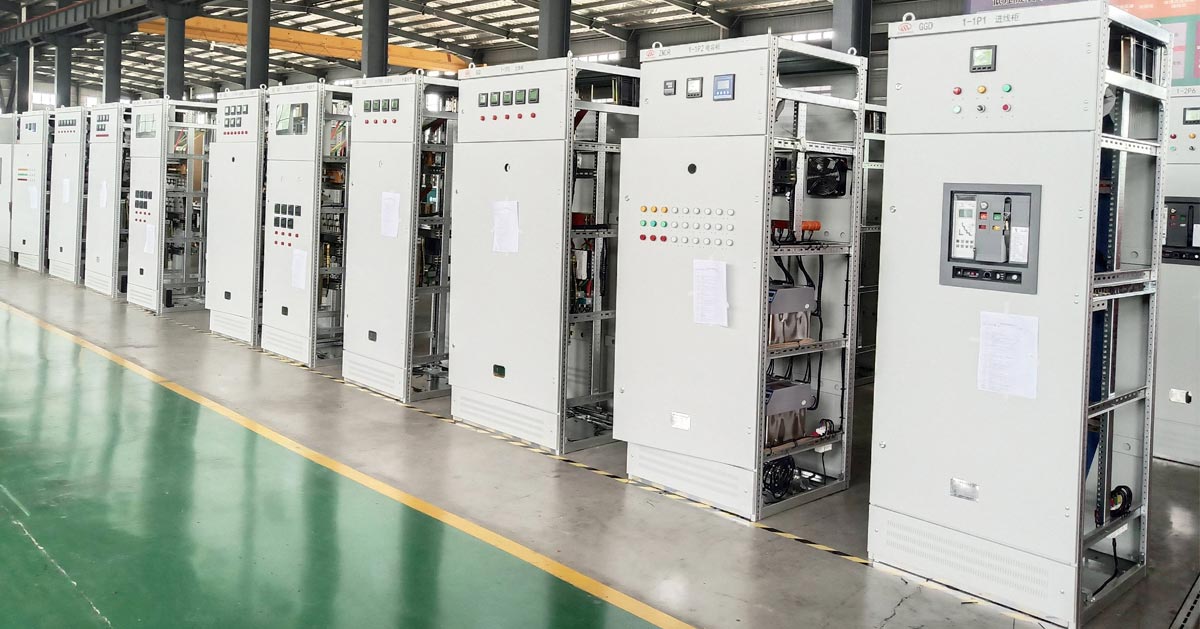
Application Areas of Switchgear
Switchgear is widely used in:
- Power generation systems
- Transmission and distribution substations
- Industrial and mining facilities
- Urban residential and commercial buildings
- Data centers and infrastructure projects
RMUs are commonly used in distribution networks and compact substations. Center-mounted switchgear is mainly applied in medium voltage control and motor starting systems. Gas-insulated switchgear is preferred in harsh environments with space limitations.
| Scenario | Suitable Cabinet Type | Typical Use |
| Power plants,large substations | Center-mounted(KYN28),MVswitchgear | Generator delivery,maintransformer reception |
| Industrial parks,medium-sizedenterprises | Center-mounted,RMU | Distribution,power reception |
| Urban residential areas,high-rise buildings | RMU,LV distribution cabinets | Ring network power supply,finaldistribution |
| High-altitude,humid,pollutedareas | C-GIS | Distribution in harshenvironments |
| Mining,petrochemicals,railtransit | C-GIS | Power supply in severeconditions |
| Commercial buildings,hospitals,data centers | LV switchgear(GCK/GCS/MNS) | Lighting,HVAC,equipmentdistribution |
How to Select Suitable Switchgear
Selecting the right switchgear requires evaluation of several key factors:
1. Electrical Operating Conditions
Voltage level, current capacity, frequency, and load characteristics must be considered to ensure stable and safe operation.
2. Environmental Conditions
Temperature, humidity, altitude, seismic level, and pollution degree directly affect insulation performance and equipment lifespan.
3. Short-Circuit Requirements
Rated short-time withstand current and breaking capacity must match system fault levels. Medium voltage systems typically use a 3-second rating, while low voltage systems often use 1-second ratings.
4. Load Characteristics
Different load types require different configurations, such as circuit breaker panels or load-break switch systems.
5. Application Environment
- General inland areas: air-insulated switchgear
- Space-limited areas: compact or gas-insulated systems
- Secondary distribution: RMU systems
- Industrial Expansion: Utilizes a modular and pull-out system.
6. Project Type
New installations typically use modern, high-efficiency systems, while retrofit projects may follow existing configurations.
7. Maintenance Requirements
Equipment design should allow easy maintenance, with strong anti-corrosion and anti-pollution performance.
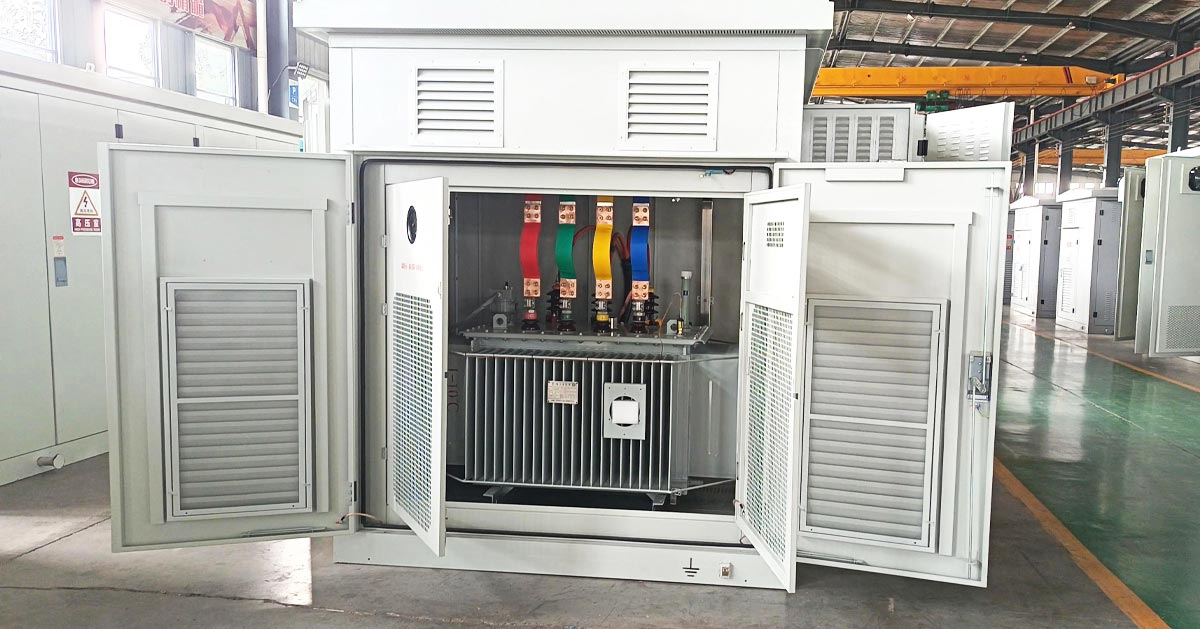
Switchgear in Prefabricated Substations
A prefabricated substation integrates high voltage switchgear, transformers, low voltage switchgear, and control systems into a compact enclosure.
High Voltage Side
Includes medium voltage switchgear such as KYN28A-12 or RMU systems, equipped with protection relays and communication systems.
Transformer
Typically uses oil-immersed or dry-type transformers with low loss and high efficiency.
Low Voltage Side
Uses draw-out type low voltage switchgear systems for easy maintenance and reliable power distribution.