Medium voltage switchgear is the invisible backbone of every industrial facility, data center, utility substation, and renewable energy project. Yet, it is often misunderstood or overlooked until a failure occurs.
For electrical engineers, procurement specialists, and asset managers, selecting the right switchgear is not a routine purchase — it is a 20‑ to 30‑year commitment that directly impacts safety, reliability, and operational cost. At Cotenele, we have spent over a decade designing and manufacturing medium voltage switchgear for global clients. In this article, we share practical insights into why MV switchgear matters, what makes it reliable, and how to evaluate it before you buy.
What Is Medium Voltage Switchgear?
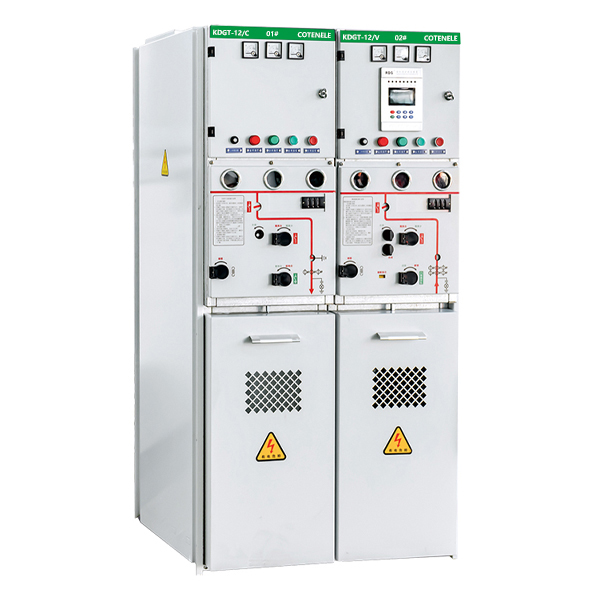
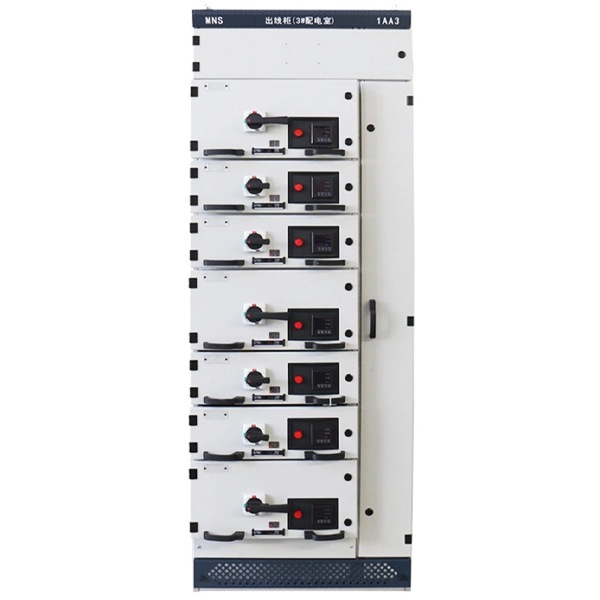
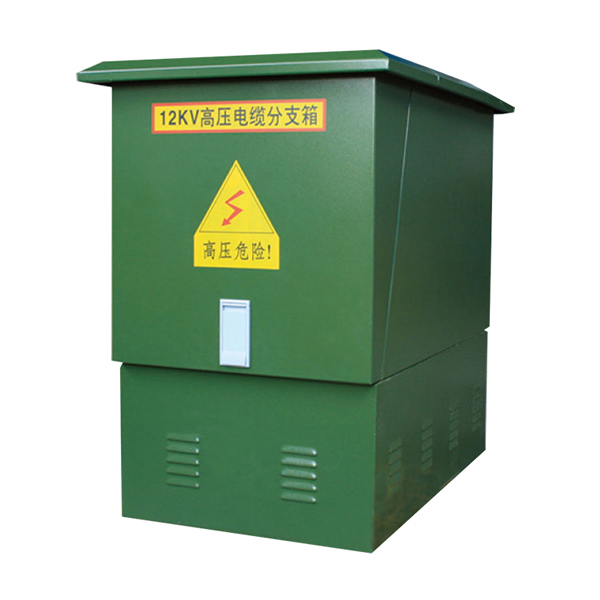
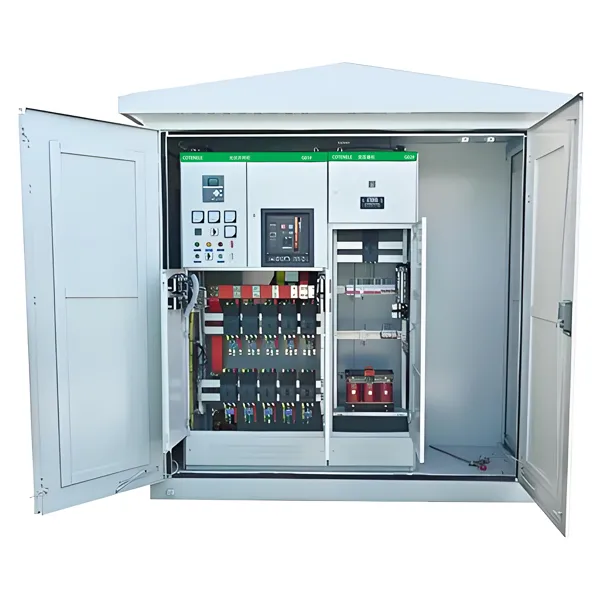
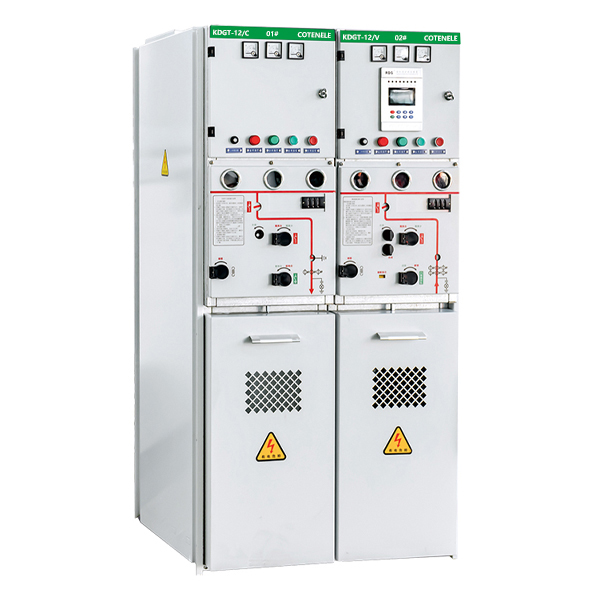
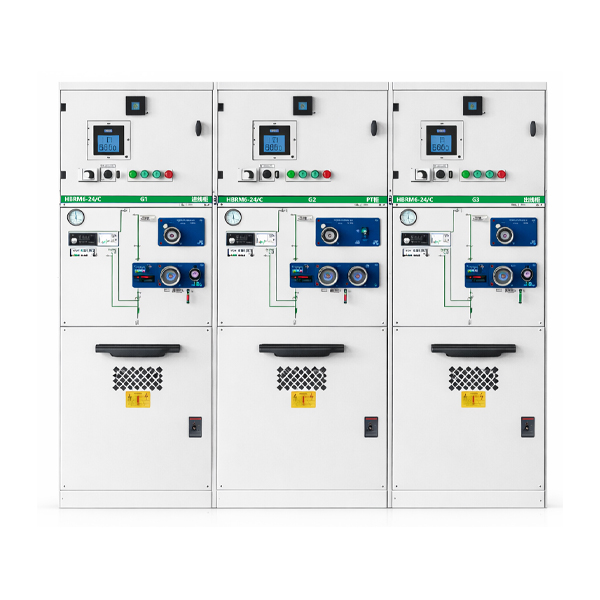
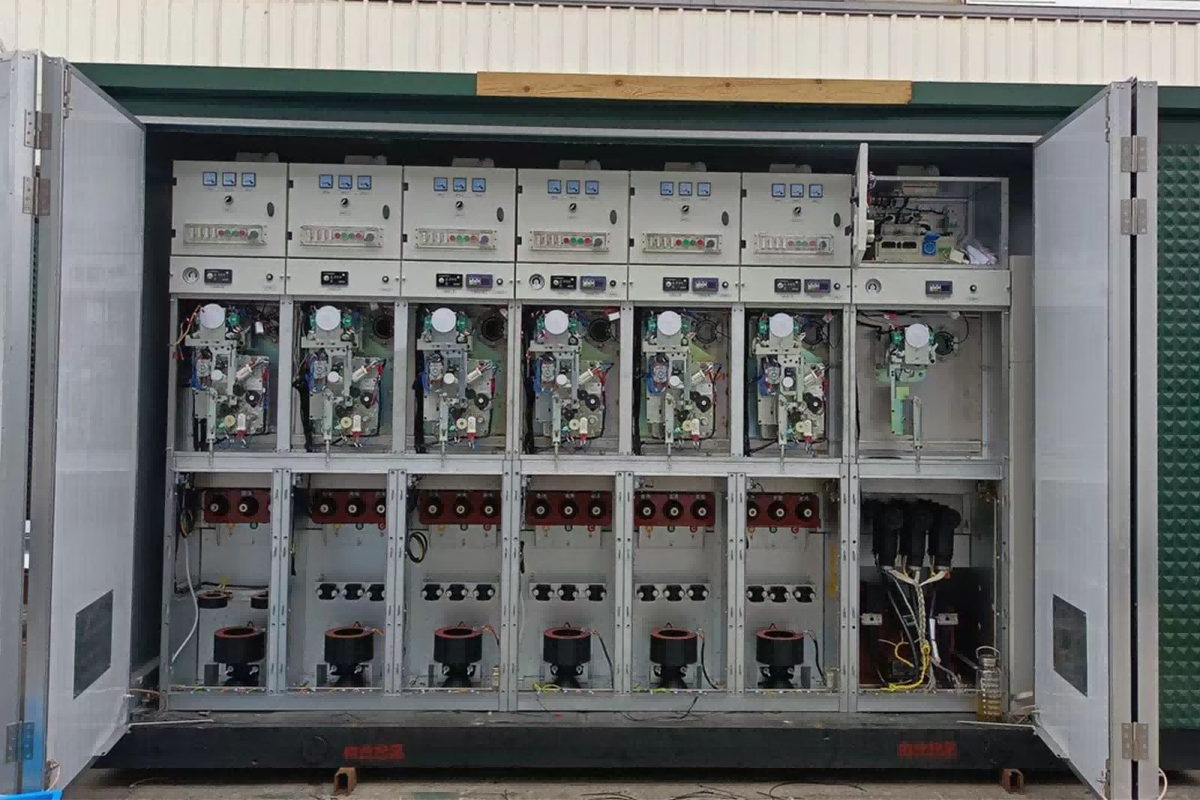
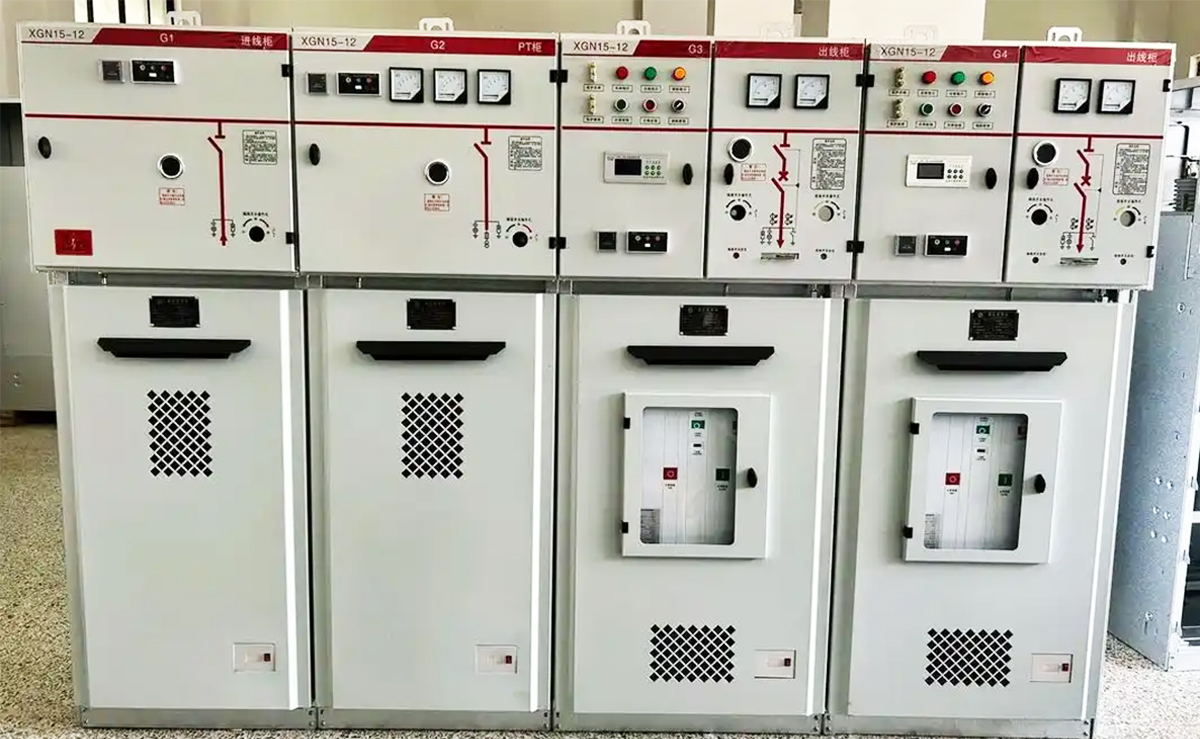
Medium voltage (MV) switchgear is a combination of switching, protection, metering, and control devices housed in a metal-enclosed structure. It operates at voltage levels typically between 3.6 kV and 40.5 kV. Its job is simple in concept but complex in execution: connect, protect, isolate, and control electrical circuits in distribution networks.
Unlike low-voltage panels, MV switchgear deals with fault currents that can reach tens of kiloamperes. It must extinguish arcs within milliseconds, withstand internal arc pressure, and maintain insulation integrity for decades. This is why MV switchgear is engineered with precision — not assembled like commodity equipment.
Key takeaway: MV switchgear is not just a box of breakers — it is a system of carefully coordinated components that must work together flawlessly under fault conditions.
The Core Functions: More Than Just Switching
A well-designed MV switchgear performs four essential functions that many engineers take for granted — until something goes wrong:
1Switching – Normal load currents are closed and opened routinely, either locally or remotely.
2Fault protection – Short-circuit currents are detected and cleared by circuit breakers and protection relays, preventing equipment damage and fires.
3Isolation – During maintenance, visible disconnection points provide safe working clearances for technicians.
4Measurement & control – Current transformers (CTs), voltage transformers (VTs), and digital relays enable monitoring, logging, and automation.
When any of these functions degrade, the entire distribution network becomes vulnerable. This is why quality and testing matter far more than the initial purchase price.
GIS vs. AIS: What Is the Right Choice for Your Application?
One of the first decisions engineers face is whether to specify gas‑insulated switchgear (GIS) or air‑insulated switchgear (AIS). Both have their place, but the trend is shifting dramatically toward GIS — and more recently, toward SF₆‑free GIS.
Feature
Air‑Insulated (AIS)
Gas‑Insulated (GIS)
Footprint
Large (requires substantial space)
Compact (space‑saving, up to 70% smaller)
Environmental resistance
Susceptible to pollution, humidity, dust
Sealed, immune to external contamination
Maintenance
Frequent cleaning and inspection required
Minimal maintenance over lifespan
Safety under internal arc
Higher risk, requires larger clearance
Superior arc containment, safer for personnel
Typical applications
Substations with ample space, low pollution
Urban networks, data centers, wind farms, industries
At Cotenele, we have observed a clear market shift: more than 60% of new medium voltage projects in Europe and Asia now specify GIS. And increasingly, regulations and ESG commitments are driving demand for SF₆‑free GIS using dry air or N₂ as the insulating medium. This eliminates the greenhouse gas concerns associated with SF₆ while retaining the compactness and reliability of GIS.
Cotenele’s SF₆‑free RMU and GIS use dry air or N₂ insulation, achieving the same dielectric performance without the environmental penalty. This is the future of medium voltage distribution.
The 7‑Step Framework: How to Evaluate MV Switchgear Quality Before Purchase
Based on our experience working with global EPC firms and utilities, we recommend this practical evaluation framework. It has saved our clients from costly failures and unexpected downtime.
Conduct a factory visit – Observe assembly, welding, and testing practices. A clean, organized workshop with proper ESD protection indicates a disciplined manufacturer.
Verify type‑test reports – Insist on full IEC 62271‑100 and IEC 62271‑200 type tests (internal arc, temperature rise, short‑time withstand, mechanical endurance). Not just routine tests — ask for the actual test certificates and test reports.
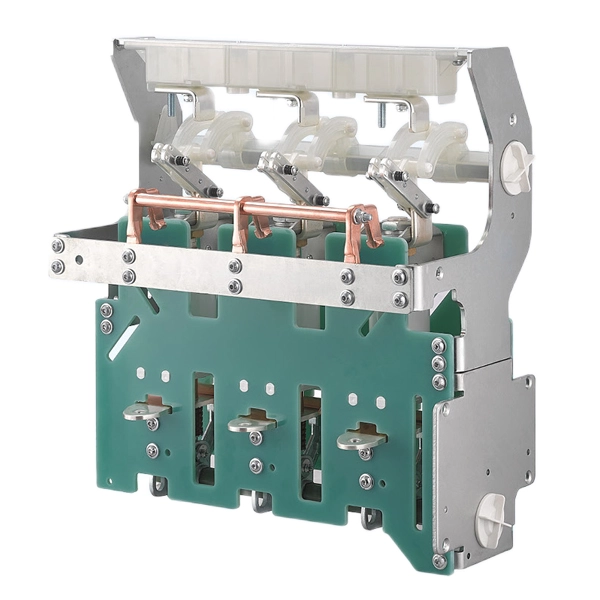
Inspect the vacuum interrupters – Ask which brand is used (e.g., Siemens, ABB, or domestic top‑tier). Check the contact erosion allowance and the manufacturer’s track record.
Examine insulation materials – For GIS, verify the gas tightness (leak rate ≤ 0.5% per year). For AIS, check the quality of epoxy insulators and busbar supports.
Test the operating mechanism – Manually close and open the breaker several times. Listen for consistent, smooth operation. Check the mechanical interlocks — they must be foolproof.
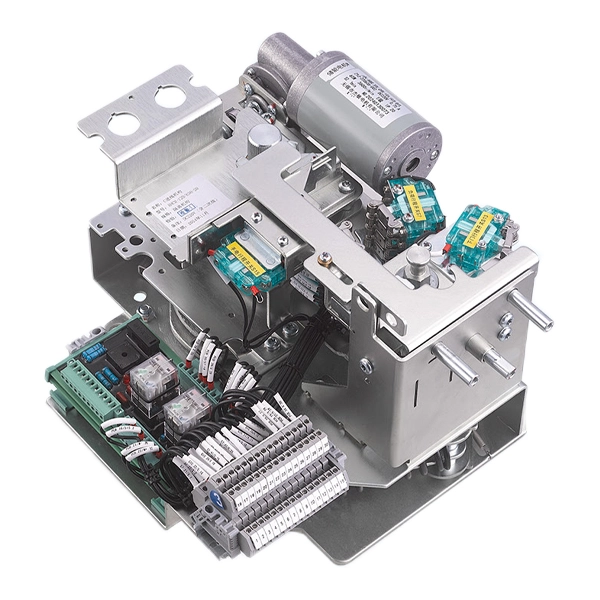
Review the low‑voltage compartment – Wiring should be neat, labelled, and easily traceable. Terminal blocks should be clearly numbered. Poor wiring is a red flag for overall quality.
Ask about after‑sales support – Spare parts availability, response time for technical queries, and commissioning support are as critical as the equipment itself.
This framework has helped our customers avoid equipment that looks good on paper but underperforms in the field. One utility client in Southeast Asia told us: “We used to rely only on price comparison. After using this checklist, we realised we were undervaluing quality — and paying for it later.”
Trends Shaping the MV Switchgear Industry
Three powerful forces are reshaping medium voltage switchgear engineering:
1
SF₆ phase‑down regulations – The EU F‑gas regulation and similar policies in other regions are accelerating the adoption of SF₆‑free technology. Cotenele’s dry‑air insulated RMU and GIS products are already meeting these requirements.
2
Digitalization and IoT integration – Modern switchgear now includes sensors for temperature, partial discharge, and gas pressure monitoring. Predictive maintenance is becoming a reality, not just a buzzword.
3
Renewable integration – Wind, solar, and battery storage require switchgear that can handle bidirectional power flow, frequent switching, and variable fault levels. This demands robust engineering beyond traditional utility standards.
At Cotenele, our R&D team has been actively developing switchgear platforms that address all three trends simultaneously. Our latest 24 kV SF₆‑free RMU, for example, has been deployed in solar farms and data centers across Europe and the Middle East.
Common Mistakes Engineers Make When Specifying MV Switchgear
Even experienced engineers sometimes fall into these traps. We have seen them repeatedly across projects:
Under‑rating the short‑circuit current – Always verify the maximum fault current at the installation point. Future grid upgrades can increase fault levels.
Ignoring environmental conditions – Altitude, humidity, and pollution levels directly affect insulation performance. Derating is often necessary.
Overlooking auxiliary supply requirements – Spring‑charging motors, protection relays, and communication modules need reliable DC supplies. Plan for redundancy.
Treating all manufacturers equally – Type tests and certifications vary widely. Some “certificates” are merely self‑declarations. Always demand third‑party test reports.
Pro tip: When reviewing a type‑test report, look for the name of the testing laboratory (e.g., KEMA, CESI, or national equivalent). A report from an accredited lab carries far more weight than an in‑house test.
Why Partner with Cotenele for Your MV Switchgear Needs
With over 10 years of manufacturing experience and a 30,000 m² factory, Cotenele is not just a supplier — we are a partner in power distribution. We offer:
Design & Customization
We work with your specifications to deliver switchgear that fits your existing system and future needs.
Factory Testing & Commissioning
Every unit undergoes full routine testing per IEC standards, with witnessed testing available upon request.
SF₆‑Free Technology
Our eco‑friendly RMU and GIS use dry air or N₂, helping you meet sustainability targets without compromising performance.
Global Support
Our engineering team provides remote and on‑site assistance for installation, commissioning, and troubleshooting.
We have supplied switchgear to utility substations, industrial plants, data centers, wind farms, and commercial buildings across more than 30 countries. Our clients consistently highlight our responsiveness, product quality, and willingness to go beyond the standard scope.
Conclusion: Invest in Quality, Invest in Reliability
Medium voltage switchgear is the heart of your power distribution system. It protects your assets, your people, and your operations. Cutting corners on switchgear is a high‑risk strategy that often leads to higher long‑term costs, unplanned downtime, and safety incidents.
We encourage engineers and decision‑makers to adopt a quality‑first mindset. Visit the factory, verify the test reports, understand the technology, and choose a partner with a proven track record.
Ready to discuss your next MV switchgear project?
Our engineering team is available to review your specifications, provide technical advice, and offer a customised solution.
We use cookies to offer you a better browsing experience, analyze site traffic and personalize content. By using this site, you agree to our use of cookies.Privacy Policy