
News
How to Evaluate the Quality of Medium Voltage Switchgear Before Purchase?
Introduction: Quality Is Earned Before Delivery, Not Discovered After
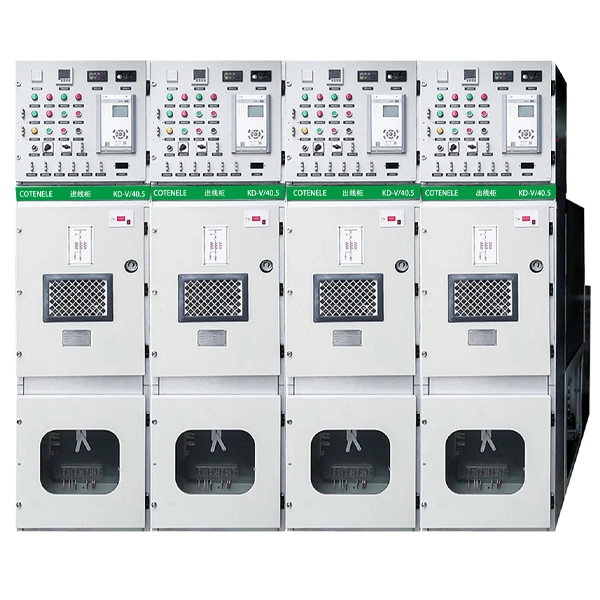
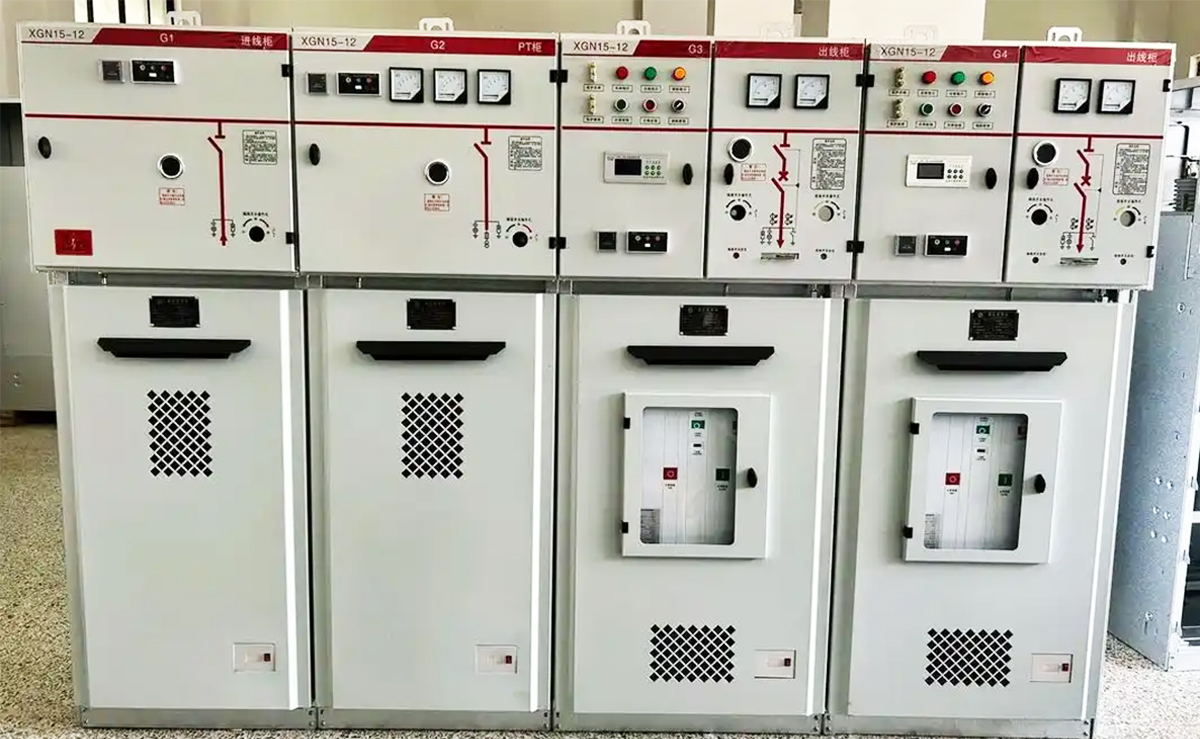
A medium voltage switchgear panel looks impressive in a brochure. The stainless steel enclosure gleams. The specifications on the datasheet tick all the right boxes. But the difference between a panel that performs reliably for 30 years and one that generates callbacks, downtime, and expensive retrofits is not visible on a PDF. It is embedded in the manufacturing process, the testing discipline, and the engineering decisions made long before the equipment reaches the project site.
For procurement professionals, consulting engineers, and asset managers, evaluating switchgear quality before purchase is not about verifying that the nameplate matches the order. It is about determining whether the manufacturer has the processes, the testing capability, and the quality culture to deliver equipment that will perform as promised over its entire service life.
This article provides a structured framework for evaluating medium voltage switchgear quality before a purchase order is issued. It covers the areas that matter most—from factory production capability and type-test verification to component quality and documentation discipline—and explains what to look for in each.
1. Start with the Factory, Not the Datasheet
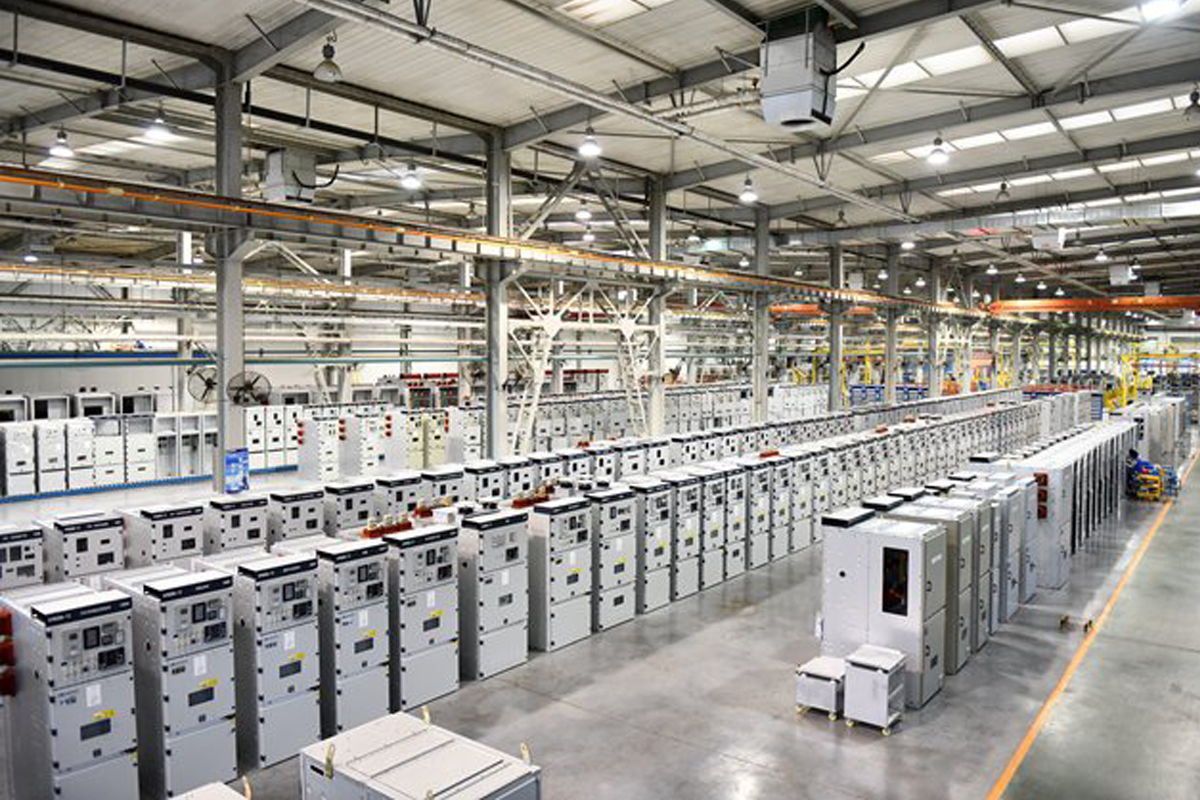
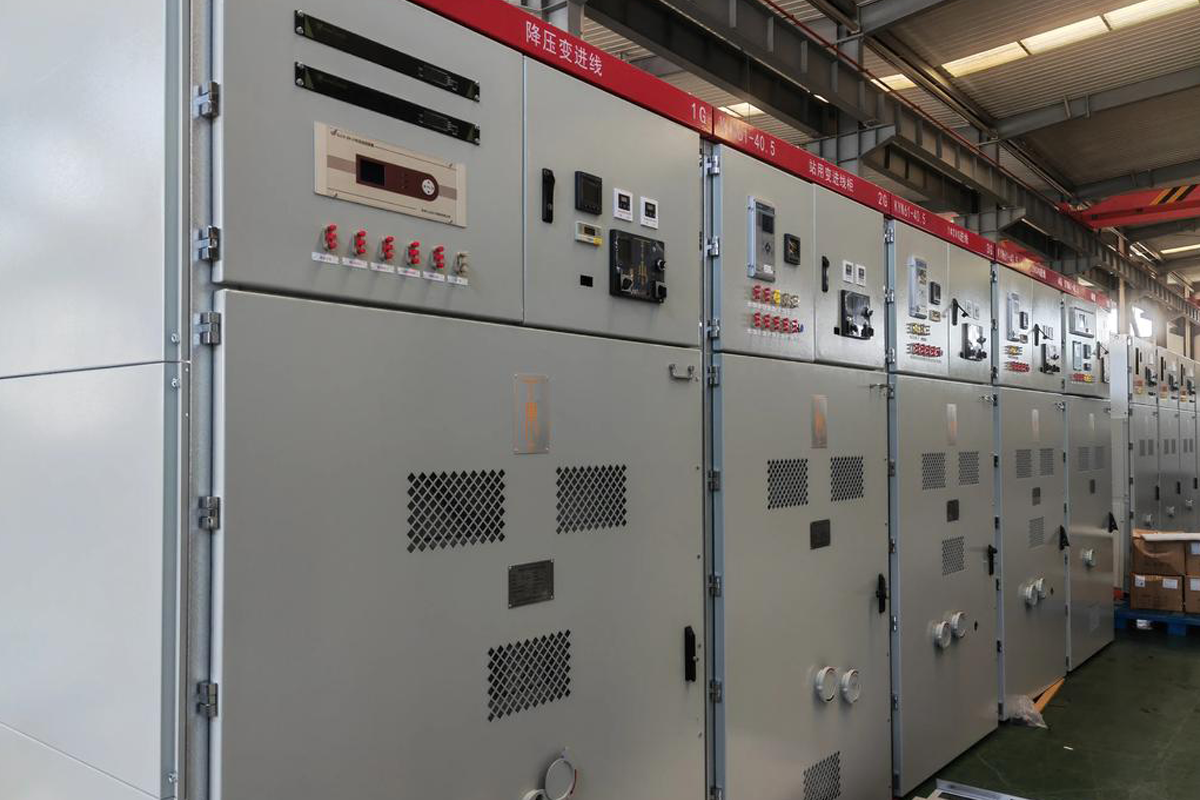
The single most revealing step in evaluating switchgear quality is to see where and how it is made. A factory visit tells you more about a manufacturer's quality capability than any set of documents can convey. If a visit is not possible, requesting detailed photographs and videos of the production line, testing facilities, and recent completed orders is the next best option.
When evaluating a factory, focus on process indicators rather than impressions. Is the production floor organized into clearly defined workstations, or are panels being assembled in a haphazard layout? Are workers using torque wrenches with calibrated settings, or are bolts being tightened by feel? Are incoming components—vacuum interrupters, epoxy resin poles, protection relays—stored in controlled conditions and traceable to their suppliers? These process details are proxies for the quality of the finished product.
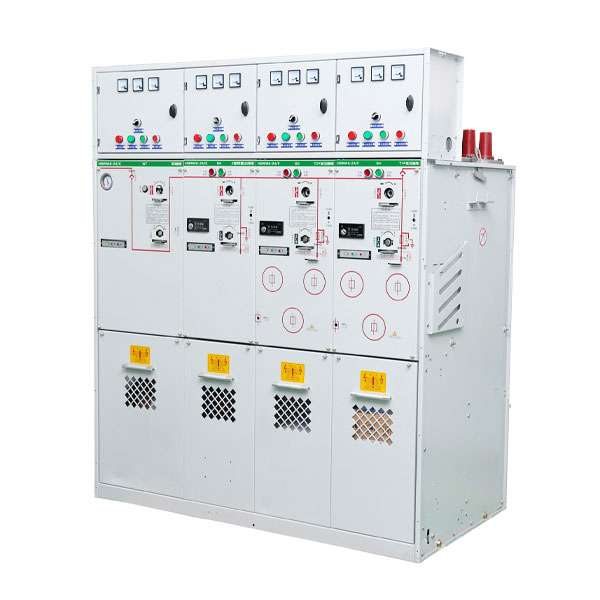
COTENELE's medium voltage switchgear production follows defined manufacturing sequences with in-process quality checks at each stage. Epoxy resin poles for vacuum circuit breakers are cast in-house using automatic pressure gelation equipment. Stainless steel tanks for SF₆-free RMUs are welded, leak-tested, and sealed under controlled conditions. Finished panels undergo routine testing before they leave the factory floor.
 2. Verify Type Testing—Completely and Independently
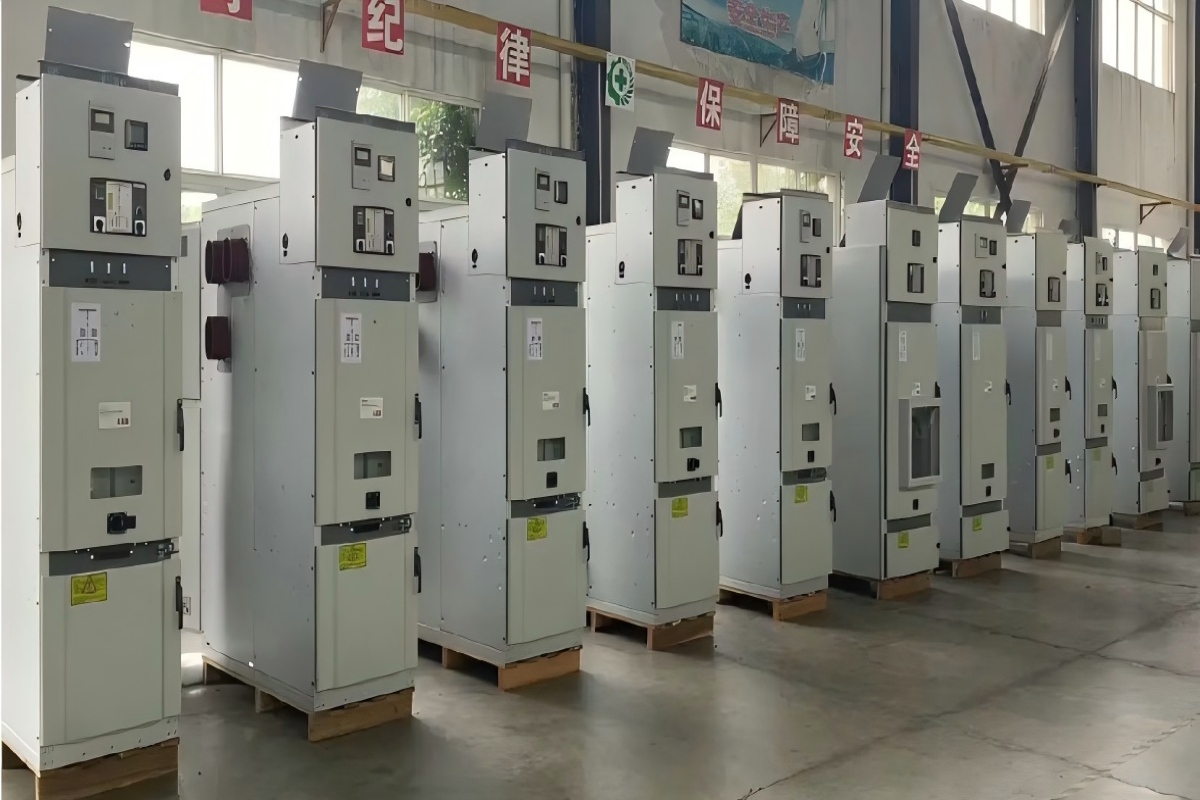
Type testing to IEC 62271-200 is the foundation of switchgear quality assurance. It demonstrates that the design can withstand the electrical, mechanical, and thermal stresses it will encounter in service. But "type-tested" is a term that gets used imprecisely in the industry. The question to ask a manufacturer is not "has this equipment been type-tested?" It is "can you provide the complete type-test reports from an independent IEC-accredited laboratory—right now?"
A type-test program for medium voltage switchgear includes short-circuit breaking and making tests, short-time withstand current tests, temperature rise tests, dielectric tests, and internal arc tests. Each of these must be performed on the specific panel configuration and module combination being offered. A manufacturer who has completed the full program will provide the reports without hesitation. A manufacturer who uses phrases like "design verified to IEC standards" or "test reports in progress" is signaling that the documentation does not yet exist.
Beyond the existence of the reports, review their scope. Confirm that the tested configuration matches the configuration being quoted. Verify that the short-circuit rating, internal arc classification, and mechanical endurance class meet the project requirements. Check that the testing laboratory is genuinely independent and IEC-accredited, not an in-house facility.
COTENELE provides IEC 62271-200 type-test certificates from accredited third-party laboratories with every tender submission. The reports cover the full test sequence, and we provide them before the order is placed—not after.
3. Examine the Core Switching and Insulation Components
The vacuum interrupter and the insulation system are the heart of any medium voltage switchgear panel. The quality of these components determines the equipment's reliability, maintenance profile, and service life.
For vacuum circuit breakers, the vacuum interrupter is the most critical component. Evaluate the interrupter's origin and manufacturing pedigree. Is it produced by a recognized manufacturer with a track record in medium voltage applications? What contact material is used—copper-chromium is the industry standard for its combination of conductivity and arc erosion resistance? Is the interrupter sealed for life, requiring no maintenance over its service life, or does the design call for periodic vacuum integrity checks?
The insulation system is equally important. For air-insulated switchgear, verify the phase-to-phase and phase-to-ground clearances meet or exceed IEC requirements. For gas-insulated equipment, confirm the insulating medium: dry air or nitrogen with zero global warming potential, or an alternative that meets current and foreseeable environmental regulations. The stainless steel gas tank should be designed and tested as a sealed-for-life pressure vessel, with no requirement for gas monitoring or refilling.
COTENELE's VS1 vacuum circuit breakers use sealed-for-life vacuum interrupters from qualified suppliers, paired with epoxy resin pole insulation cast in-house. Our SF₆-free RMUs use dry air as the insulating medium in stainless steel tanks that are welded, leak-tested, and sealed for their entire 30-year design life.

4. Assess the Operating Mechanism and Mechanical Interlocks
The operating mechanism is the component that moves every time the breaker opens or closes. Its design and build quality directly affect the equipment's mechanical endurance and long-term reliability.
A modern medium voltage circuit breaker uses a stored-energy spring mechanism. A small motor charges the closing spring over several seconds. When the close command is given, stored energy is released almost instantaneously to close the contacts. During closing, the opening spring is simultaneously charged, so the breaker is immediately ready to trip. This mechanism should be rated for M2 class mechanical endurance—10,000 operations without failure—per IEC 62271-100.
Evaluate the mechanism's construction. Are the springs, linkages, and latches made from materials that resist fatigue and corrosion? Is the mechanism accessible for inspection without removing the breaker from the panel? Is the mechanical operation smooth and consistent across multiple operations, or does it show signs of binding or variation?
The mechanical interlocking system that enforces safe operating sequences is equally critical. The "five prevention" interlocks—preventing closing under load, preventing opening the disconnector under load, preventing energized earthing, preventing closing with earthing applied, and preventing entry into live compartments—must function reliably without dependence on auxiliary power. Test these interlocks during a factory visit or request video evidence of interlock verification during routine testing.
5. Inspect the Low-Voltage Compartment and Wiring
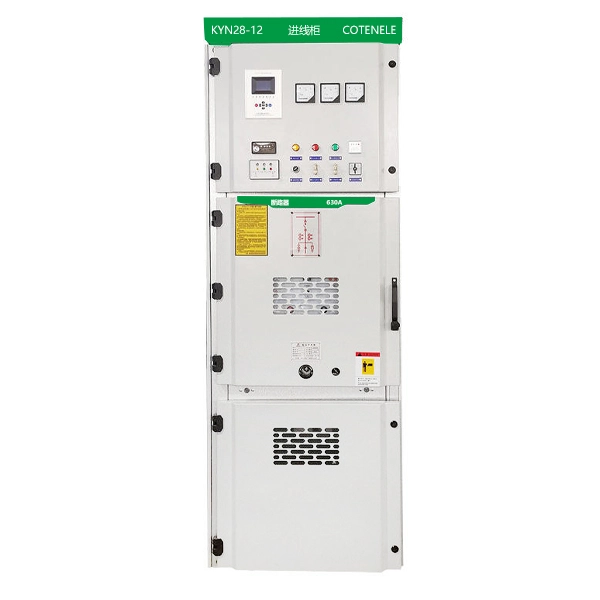
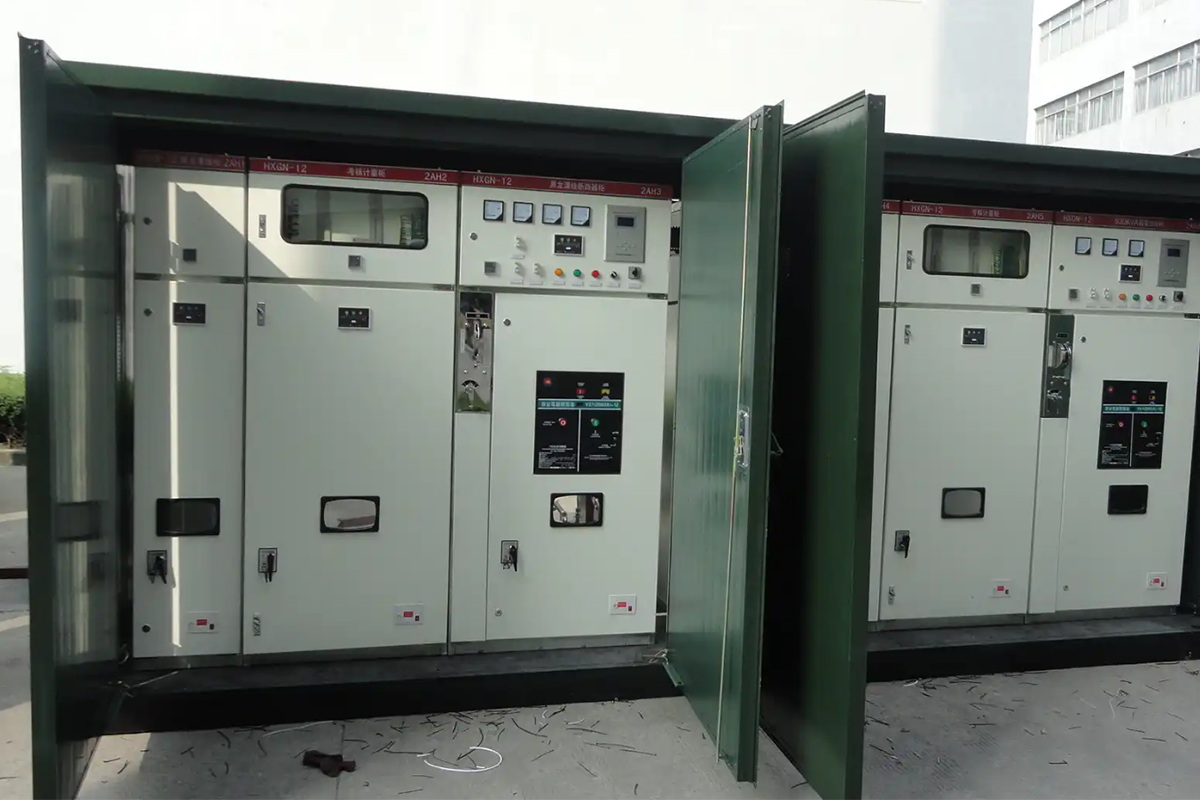
The low-voltage compartment houses the protection relays, control wiring, terminal blocks, and communication devices that give the switchgear its intelligence. The quality of workmanship in this compartment is a reliable indicator of the manufacturer's overall attention to detail.
Open the low-voltage door and examine the wiring. Are conductors routed neatly and secured in cable ducts or loom? Are wires labeled at both ends with clear, durable markers? Are ferrule numbers on terminals consistent and legible? Are spare conductors coiled and secured, or left hanging loose? These are not cosmetic concerns. Poor wiring practices lead to loose connections, intermittent faults, and troubleshooting nightmares that consume engineering hours for years after commissioning.
The protection relay should be correctly mounted, wired, and configured for the application. Verify that the relay type, current transformer ratios, and auxiliary voltage match the project specification. If the switchgear includes communication capability, confirm that the communication wiring and protocol configuration are documented and tested before delivery.
6. Review the Documentation Package
Documentation is part of the product. A switchgear manufacturer who cannot provide a complete, accurate, and well-organized documentation package at the tender stage is unlikely to provide better documentation after the order is placed.
At a minimum, the pre-purchase documentation package should include type-test certificates from an independent IEC-accredited laboratory, routine test report templates showing what will be tested on every panel before shipment, a declaration of conformity to applicable standards and regulations, a reference list of similar installations, and installation and operation manuals. For European projects, documentation demonstrating compliance with the EU F-gas Regulation should be included if the equipment is SF₆-free.
Review the documentation critically. Are the test reports complete and legible, or are they partial summaries with missing pages? Are the reference installations in similar applications and geographies to your project? Is the documentation written in clear technical English, or does it show signs of having been translated without review by a native-speaking engineer?
COTENELE ships a complete documentation package with every order: type-test certificates, routine test reports, compliance declarations, and operation manuals. We provide the same documentation at the tender stage so that consulting engineers and utility evaluators can complete their technical review before contract award.
7. Evaluate After-Sales Support and Spare Parts Availability
Switchgear quality extends beyond the equipment itself to the manufacturer's ability to support it over decades of operation. Before purchase, evaluate the manufacturer's approach to after-sales support, spare parts supply, and technical assistance.
Does the manufacturer offer commissioning support, either on-site or remotely? Is there a defined process for technical inquiries after delivery, with clear response time commitments? Are standard spare parts—fuse links, auxiliary contacts, operating handles, relay modules—available from stock, or are they manufactured to order with extended lead times?
A manufacturer with established export operations should be able to dispatch spare parts via international courier and provide technical support in English during European or Asian business hours. If the manufacturer's primary business is domestic and export is a small fraction of their volume, after-sales support for international projects may be thin.
Conclusion: Quality Is Process, Not Appearance
Evaluating the quality of medium voltage switchgear before purchase requires looking past the polished exterior to the manufacturing processes, testing discipline, component pedigree, and documentation rigor that determine long-term performance. The parameters on the datasheet are the starting point, not the finish line. What matters is whether the manufacturer has built a production system and a quality culture that consistently deliver what the datasheet promises.
A structured evaluation—factory capability, type-test verification, core component quality, mechanism and interlock assessment, wiring workmanship, documentation completeness, and after-sales support—provides a reliable basis for comparing suppliers and selecting equipment that will perform as expected over decades of service.
COTENELE supports this evaluation process by providing type-test certificates at the inquiry stage, welcoming customer inspections of our production facilities, and supplying complete documentation packages with every quotation. Our vacuum circuit breakers and SF₆-free ring main units are built on defined manufacturing processes, tested to IEC standards, and supported by an engineering team that understands the requirements of international projects.
Evaluating Switchgear Suppliers for Your Next Project?
COTENELE supplies 12kV to 40.5kV vacuum circuit breakers, SF₆-free ring main units, and complete metal-clad switchgear with full type-test documentation, factory quality control, and international project support.
About COTENELE
COTENELE is a specialized manufacturer of medium voltage switchgear, including SF₆-free eco-friendly gas insulated switchgear, vacuum circuit breakers, ring main units, and metal-clad panels for 12 kV to 40.5 kV applications. Our products serve utilities, data center operators, renewable energy developers, and industrial buyers across Europe, Asia, and the Middle East. Every product is type-tested to applicable IEC standards, with complete documentation provided for tender submission and project delivery.

Related News
- Smart Ring Main Units: Key Trends in Medium-Voltage Distribution Networks
- 24kV SF6-Free Switchgear Gains Momentum as Medium-Voltage Distribution Moves Toward Low-Emission Technologies
- How Can Medium Voltage Switchgear Improve Power Distribution Safety and Efficiency?
- How Does a Cable Distribution Box Improve Cable Management and Electrical Safety?
- How Low Voltage Switchgear Improves Electrical Safety and Power Management?
- How Does a Ring Main Unit Improve Power Distribution Reliability?
Leave me a message