Products
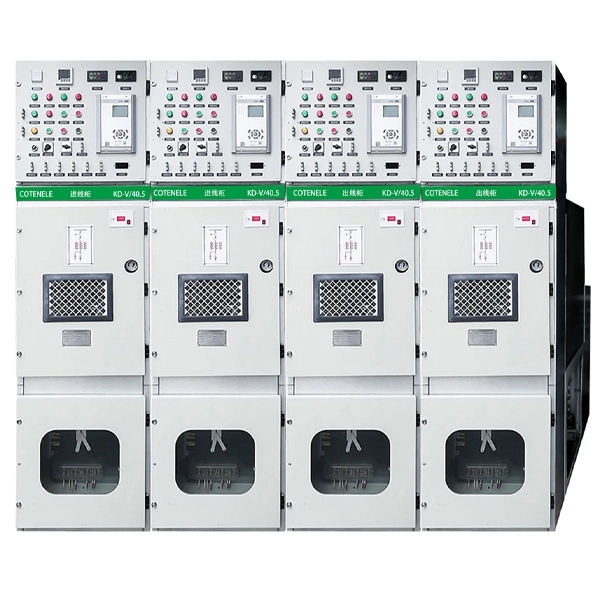
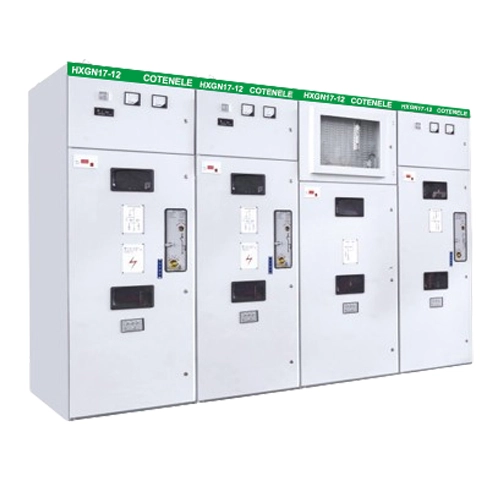
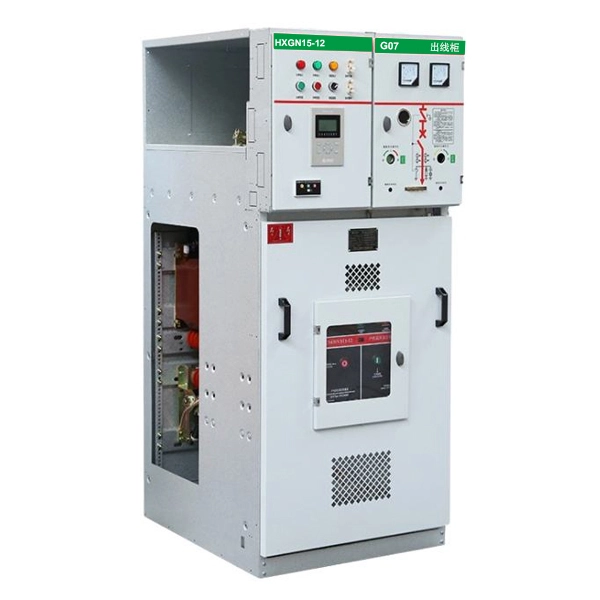
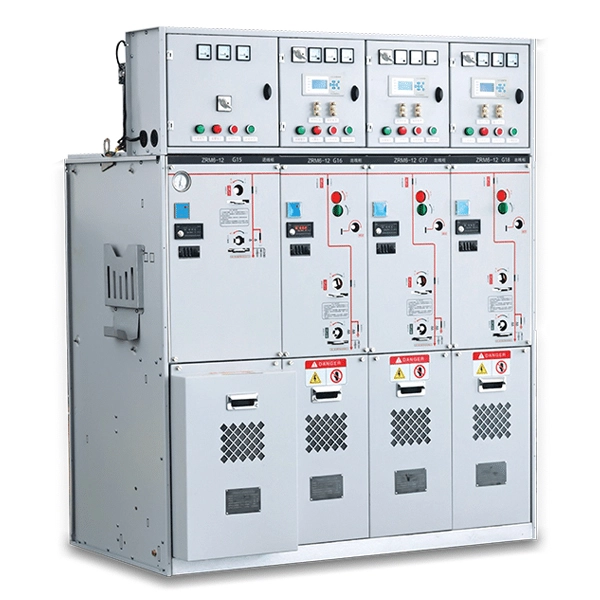
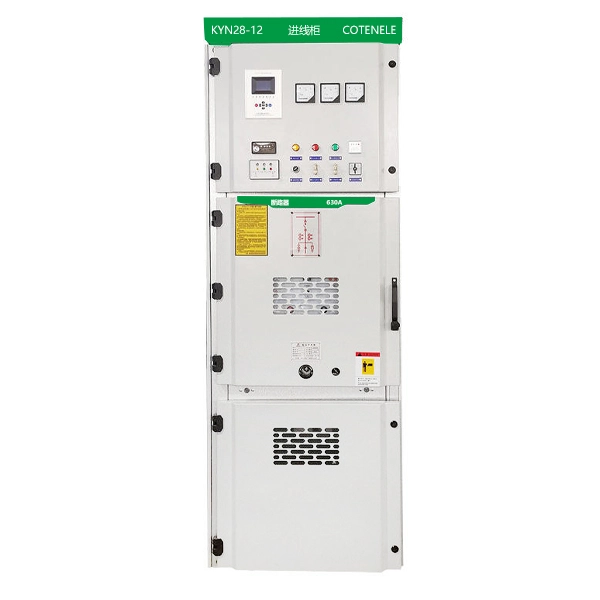
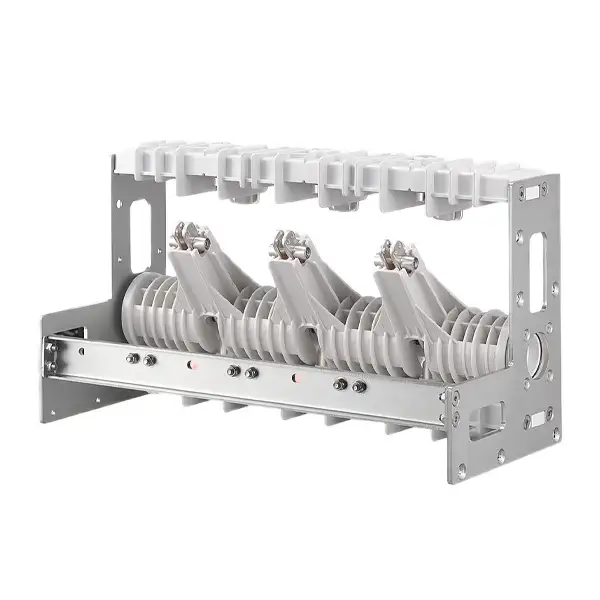
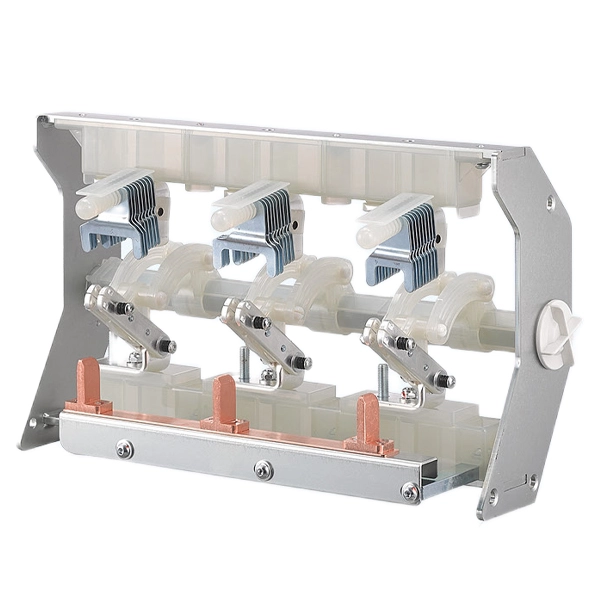
11KV Medium Voltage Isolating Switch Disconnector
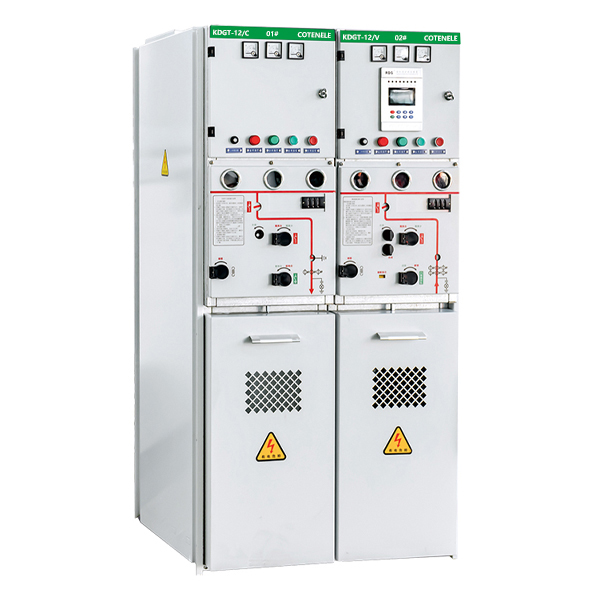
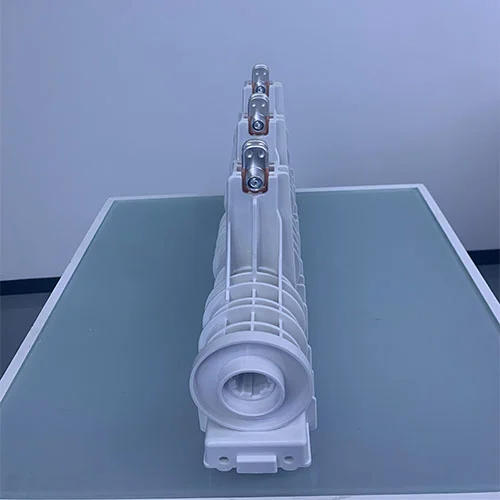
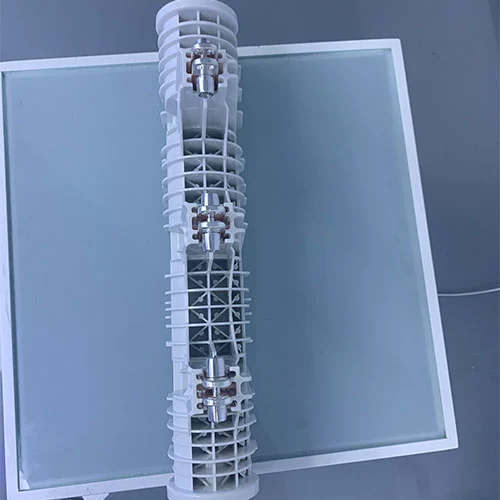
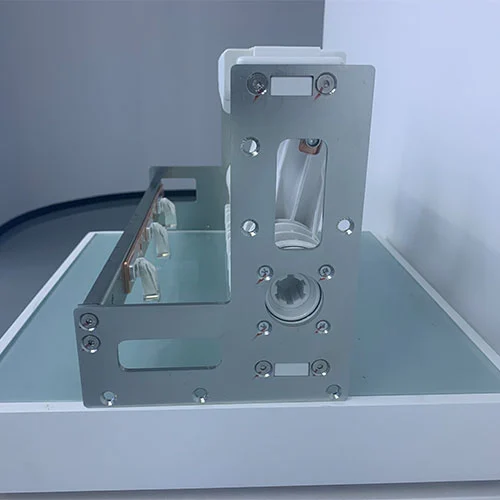
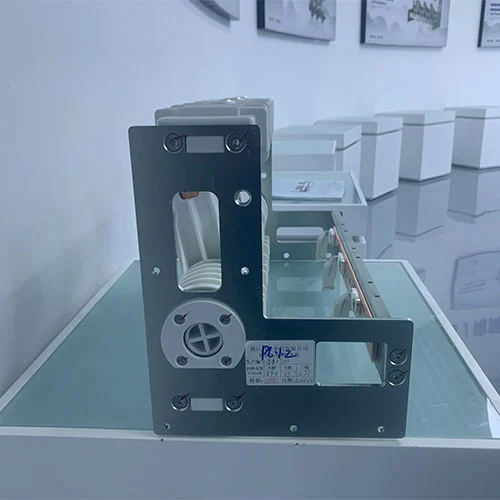
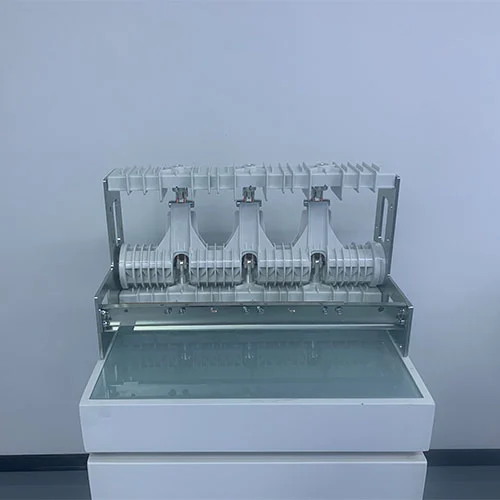
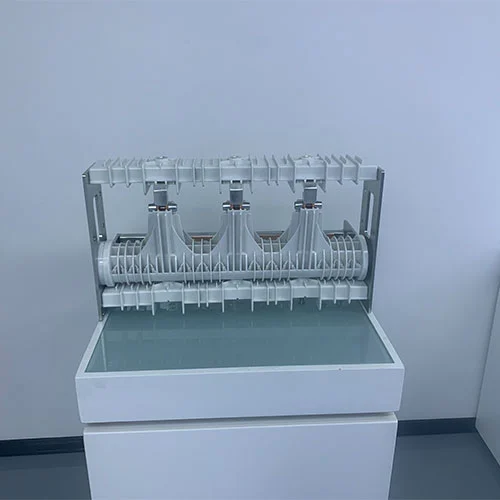
The KDSG-12D/630-20 series 11kV Medium Voltage Isolating Switch Disconnector is designed for safe isolation and reliable load switching in ring main units and gas-insulated switchgear systems. As a China manufacturer and supplier, Cotenele offers compact, maintenance-free, long-life, and stable disconnecting switches; you can choose our products with confidence.
An 11KV Medium Voltage Isolating Switch Disconnector is a mechanical switching device used in power distribution systems to provide safe electrical isolation and controlled load switching. It is widely applied in ring main units (RMU), gas-insulated switchgear, and secondary substations.
Unlike circuit breakers, a disconnector cannot interrupt fault currents. Its primary role is to ensure a visible and reliable isolation gap, allowing safe maintenance and operation of electrical systems.
Product Model
| KD | S | V | 12 | D | 630 | 20 |
|
Company code |
Environmentally friendly switchgear |
Disconnector |
Rated voltage |
Earthing type |
Rated current |
Rated Short-time withstand current |
Appearance and Dimension
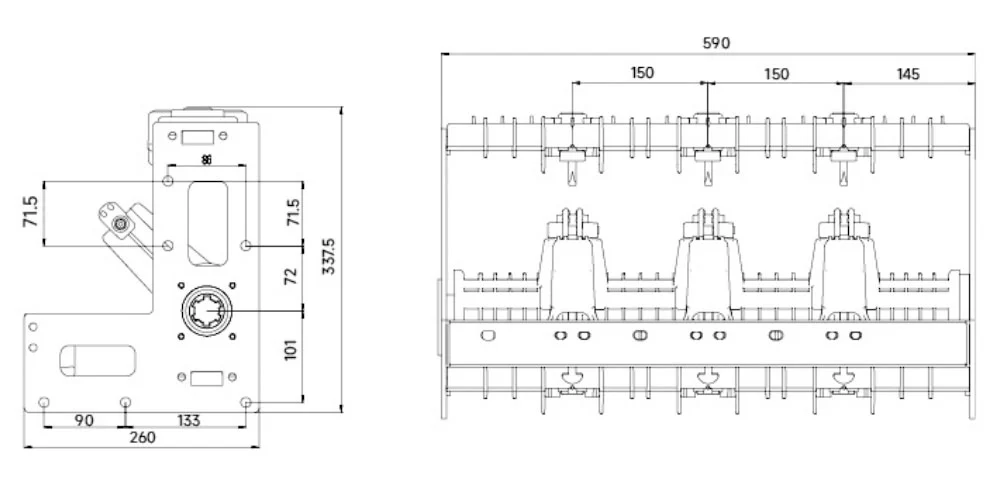
What are the different types of disconnect switches?
1. Air-Insulated Disconnectors
Installed in air-insulated switchgear
Simple structure with visible isolation
Suitable for standard installations
2. Gas-Insulated Disconnectors
Enclosed in sealed gas tanks
Compact and maintenance-free
Ideal for urban and limited-space substations
3. SF₆-Free Eco-Friendly Disconnectors
Uses alternative insulating gases or dry air
Low global warming potential
Meets modern environmental regulations
Technical Parameters
| SN | Content | Unit |
Technical Porameter |
| 1 | Rated Frequency | HZ | 50 |
| 2 | Rated Current | A | 630 |
| 3 | Rated short-time withand current | KA | 20/25 |
| 4 | Rated short-circuit duration | S | 4/3 |
| 5 | Rated short-circuit making current | KA | 50/63 |
Product Advantages
Our 11KV Medium Voltage Isolating Switch Disconnector has the following advantages:
Environmental Friendly
The most important advantage is reducing or eliminating of SF₆, this will directly contribute to lower greenhouse gas emissions from the power distribution grid.
Compact Installation
Gas-insulated medium, whether using SF₆ or alternatives, offer a much more compact and space-saving solution compared to air-insulated medium, this is very suitable for urban substations, compact secondary substations (CSS), or pad-mounted gear.
High Reliability and Long Service Life
Robust and sealed construction with stable gas insulation protects the contacts of the disconnectors from environmental contamination like dust, moisture, and salinity, which can ensure these Isolator switch consistent performance, minimal maintenance, and extended operational life.
Safety and Versatility
The isolation switches have a visible or stipulated isolation point for safety. They make and break normal load currents adds operational flexibility for power distribution grid and load management without circuit breakers.
Adaptability
Isolating switches usually used for various configurations, voltage levels, and specific applications such as mining, capacitor switching, etc., this can make them suitable for a wide range of secondary electrical distribution needs from renewable energy integration to industrial power supply.
What is the difference between a circuit breaker and a disconnect switch?
Understanding the difference between a circuit breaker and a disconnector is essential for safe and efficient switchgear operation.
1.Primary Function
Circuit Breaker: A protective device designed to automatically interrupt fault currents and overloads, protecting equipment and the power system.
Disconnector: An operational and safety device used to provide visible isolation and to switch rated load currents under normal conditions.
2.Interruption Capability
Circuit Breaker: Capable of interrupting high fault currents.
Disconnector: Cannot interrupt fault currents; it only withstands short-circuit currents for a limited time until the breaker clears the fault.
3.Operational Sequence
In a typical system, both devices work together:
During disconnection: the circuit breaker opens first to stop current flow, then the disconnector opens to provide safe isolation.
During energizing: the disconnector closes first, followed by the circuit breaker.
4.Design and Cost
Circuit Breaker: More complex, featuring arc-quenching technology (vacuum, SF₆, etc.), resulting in higher cost.
Disconnector: Simpler mechanical design, making it more economical for isolation purposes.
Circuit breakers are responsible for protecting the power system, while the 11KV Medium Voltage Isolating Switch Disconnector ensures the safety of people and equipment by providing reliable electrical isolation.
How to Choose the Right 11KV Medium Voltage Isolating Switch Disconnector?
When selecting a suitable model, consider:
Rated voltage (11kV / 12kV)
Rated current (630A / 1250A)
Installation type (RMU, GIS, AIS)
Environmental conditions (humidity, dust, temperature)
Requirement for eco-friendly (SF₆-free) solutions
For compact substations, gas-insulated or eco-friendly solutions are recommended.
Quality Assurance and Testing
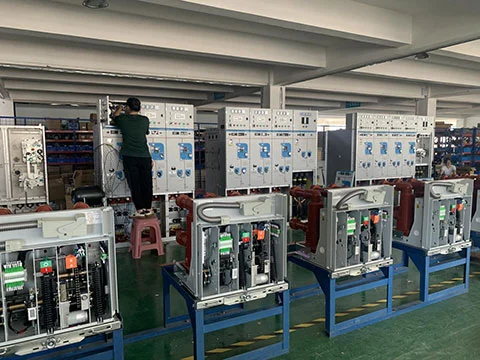
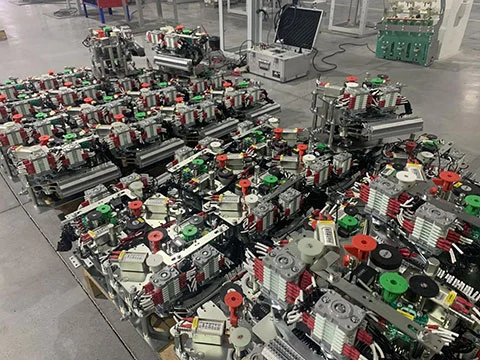
Cotenele implements strict quality control throughout production:
Type testing and routine testing
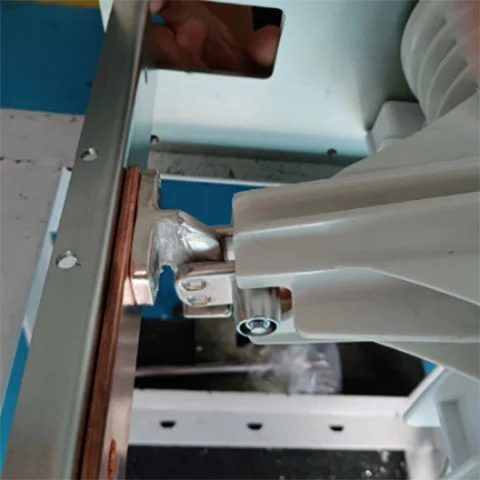
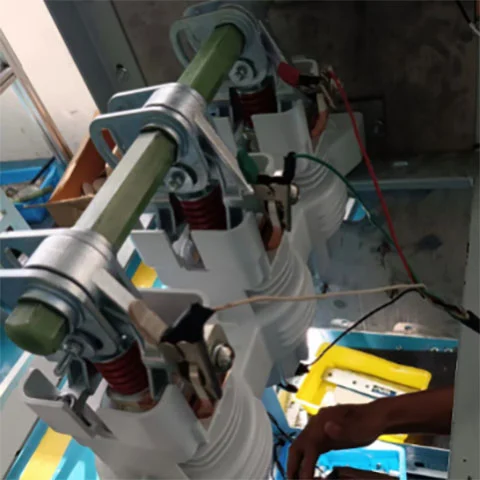
High-voltage testing
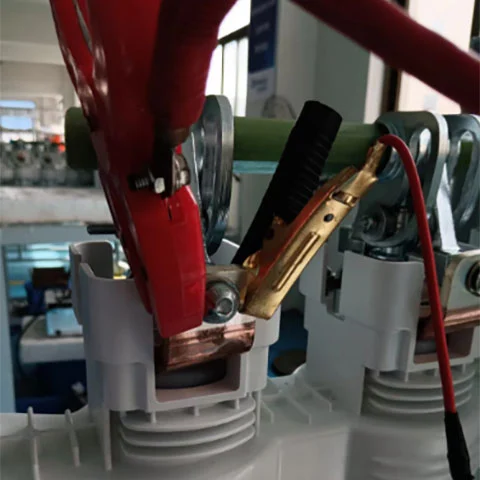
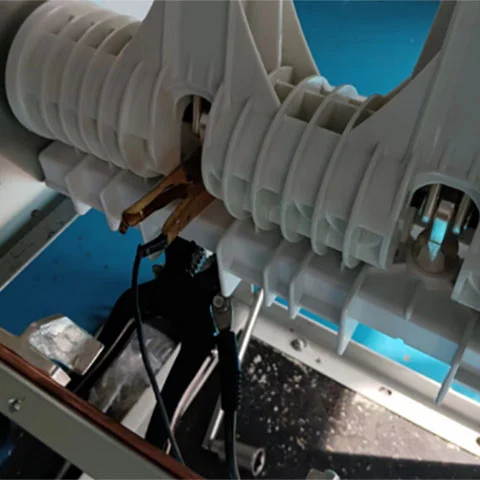
Factory inspection and optional third-party verification
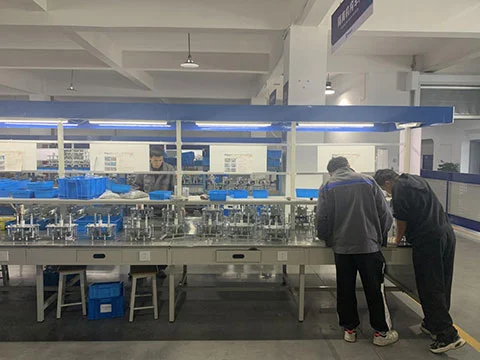
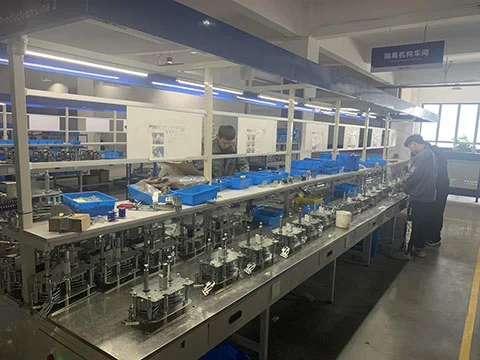
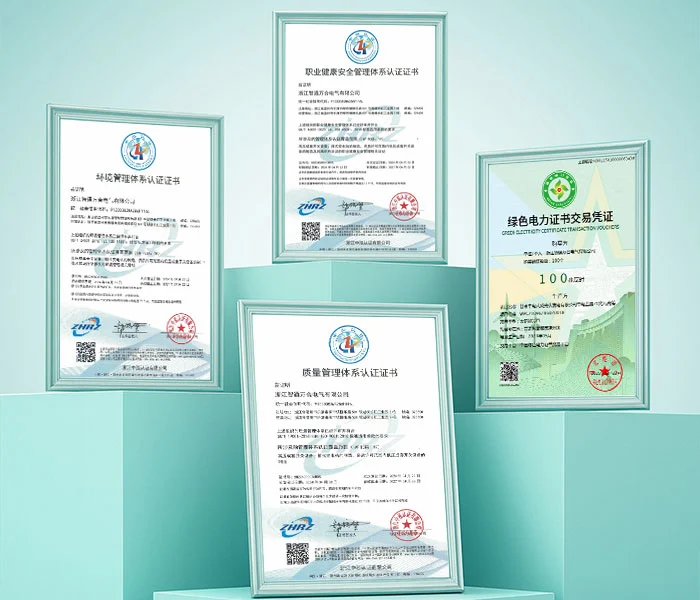
All products comply with ISO9001, ISO14001, and ISO45001 standards.
FAQ
1.What is a 11KV Medium Voltage Isolating Switch Disconnector?
A switch disconnector is a switching device that, when in the open position, provides isolation in addition to its standard switching functions. It is designed to carry, make, and break rated load currents under normal operating conditions.
2.How does a switch disconnector operate?
When closed, the rated current flows through the main isolation contacts. To interrupt load current, these contacts open first, transferring the current to the interrupting chamber—such as a vacuum interrupter in GSec and GSec Air series—where the current is broken. During closing, the isolation contacts make the circuit before the interrupting unit closes.
3.What distinguishes a vacuum circuit breaker from a switch disconnector?
The main difference is protective capability: a vacuum circuit breaker can clear fault currents to protect the power equipment. but a switch disconnector is not used to interrupt fault currents. Its the most important function is to provide safe isolation after the circuit has been opened, allowing work to be carried out on the disconnected section and ensuring insulation from live parts.
4.Does Cotenele offer various types of switch disconnectors?
Yes, Cotenele has two main classification:
Air-insulated switch disconnectors, used for cable sectionalizing, transformer and motor switching in secondary distribution substations, and for supplying circuits, transformers, and ring main grid networks.
Gas-insulated switch disconnectors, these isolator have these features of maintenance-free SF6 or SF6-free technology, offer high performance, reliability, and long service life in a compact size.
5.Are Cotenele switch disconnectors easy to maintain?
Yes. Cotenele products come with detailed service and maintenance instructions from Cotenele, along with comprehensive spare parts and accessory support.
6.What are Cotenele indoor air-insulated load break switches used for?
They are used for medium-voltage enclosed switchgear, ring main units and compact transformer substations. Our Load break switches have the advantages of reliable overload current control and their voltages up to 40.5 kV and their currents up to 1250 A.
7.How do Cotenele switches improve power quality and reliability?
They allow a high number of breaking operations at rated current and can withstand short-circuit currents up to 31.5 kA for 1 second. An earthing switch with making capacity is included, and operation is ensured across a wide temperature range, contributing to consistent performance and system reliability.
8.Why are Cotenele switches regarded as safe and reliable?
Used in combination with current-limiting fuses, they provide complete protection and safe interruption of short-circuit currents. Our switches provide a visible insulation gap, and meet Class 2 requirements of the standard IEC 62271-304
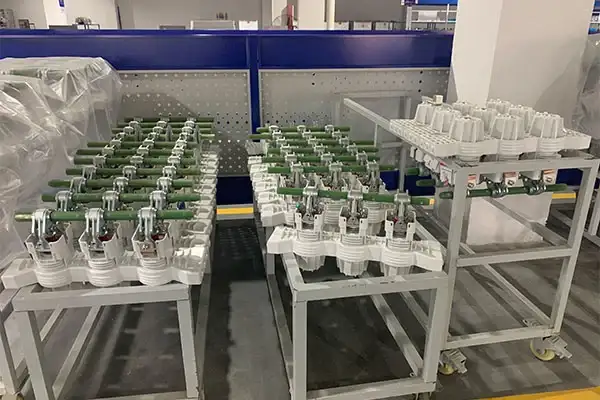
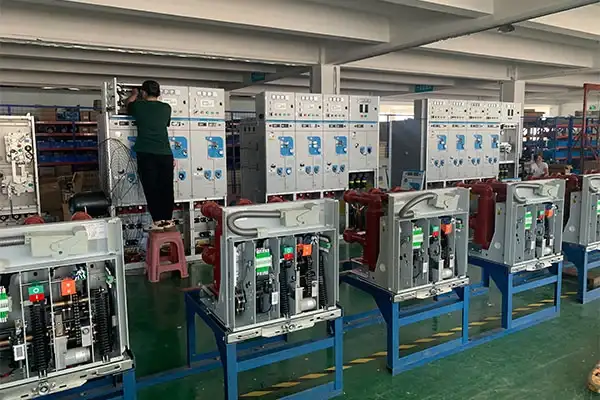
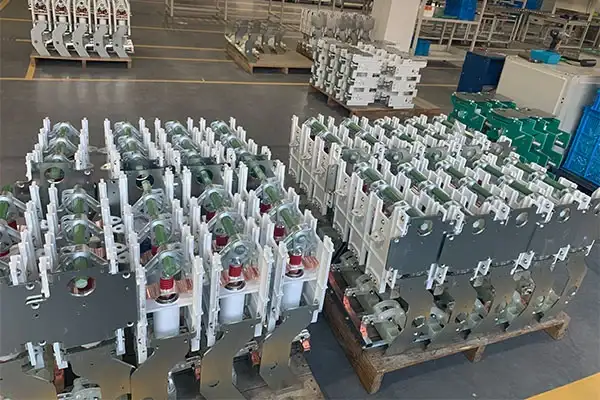
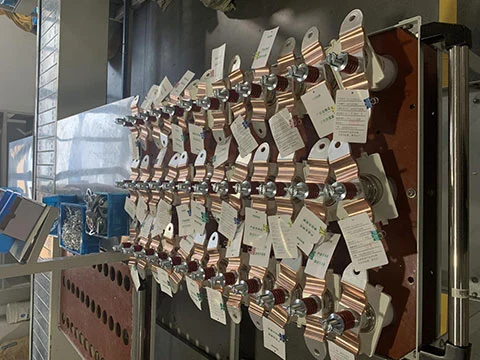
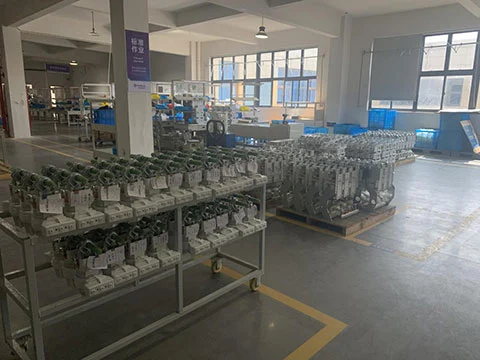
Our Factory
Products Show
Send Inquiry
Contact Info
-
Address
Building 2, Changhong Industrial Park, No. 501 Liule Road, Liushi Town, Yueqing City, Wenzhou City, Zhejiang Province, China
-
Tel
-
Email
Mobile/WhatsApp:
Related Products
News Recommendations