Products
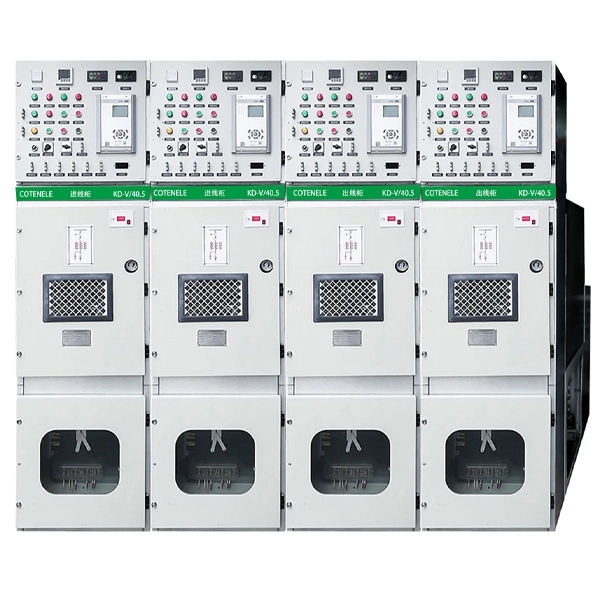
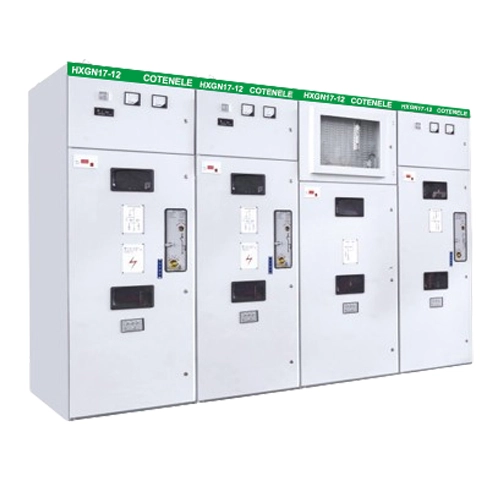
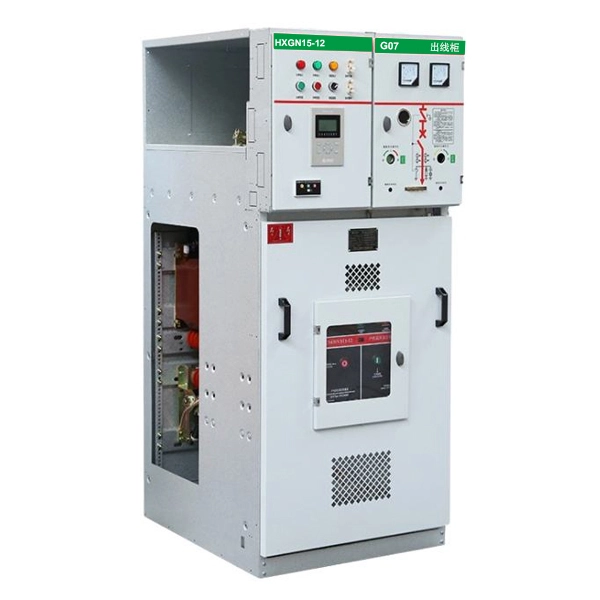
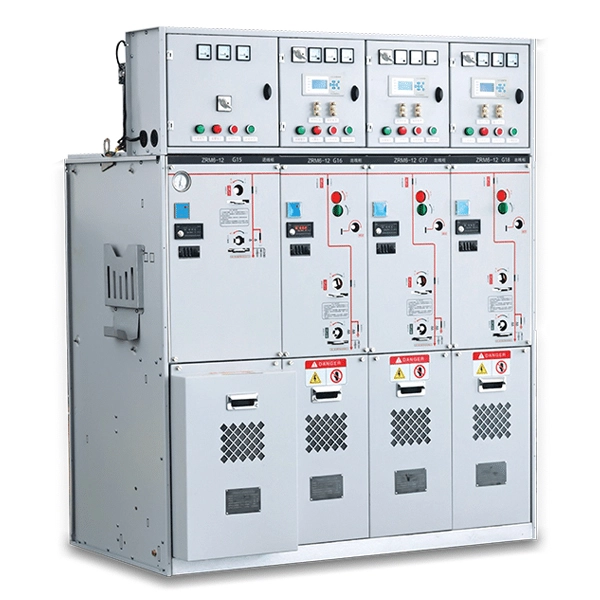
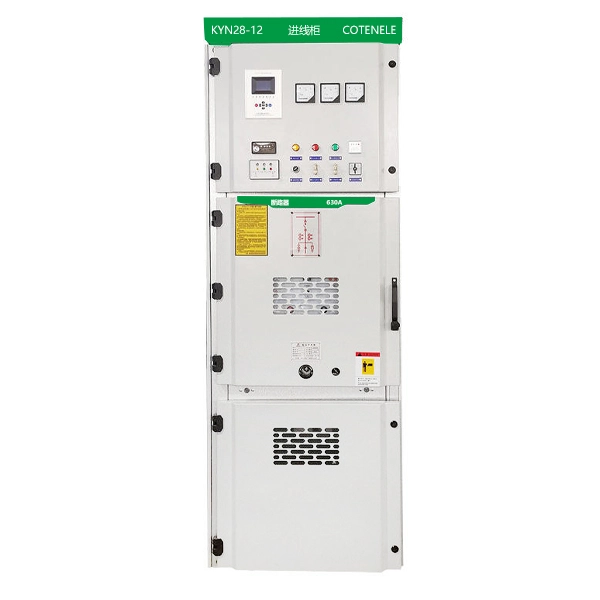
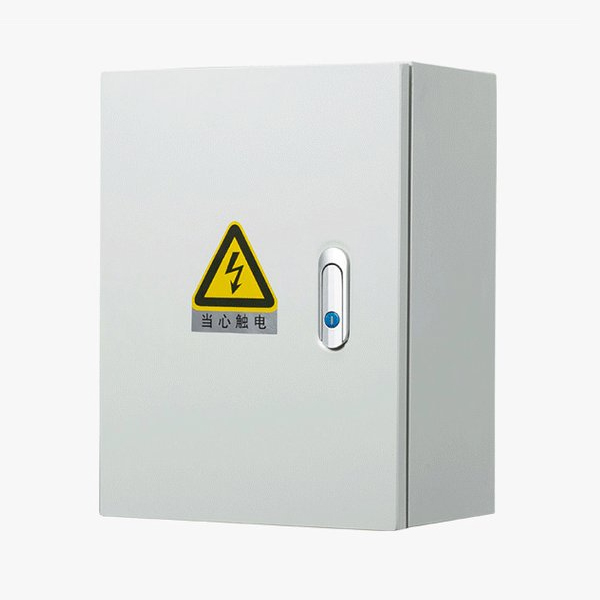
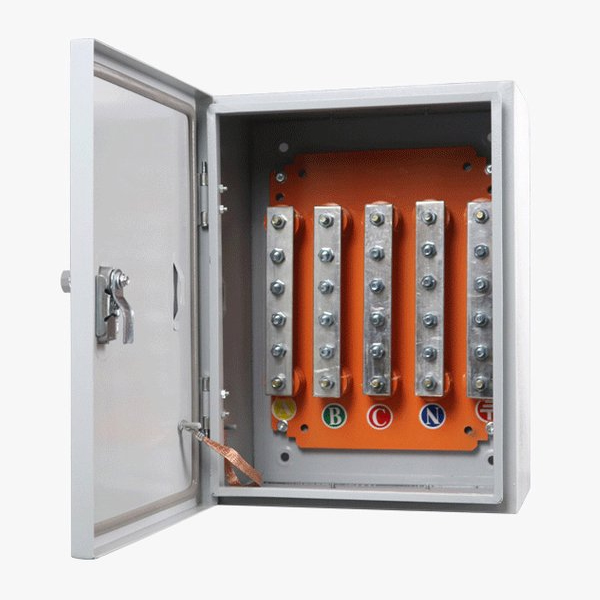
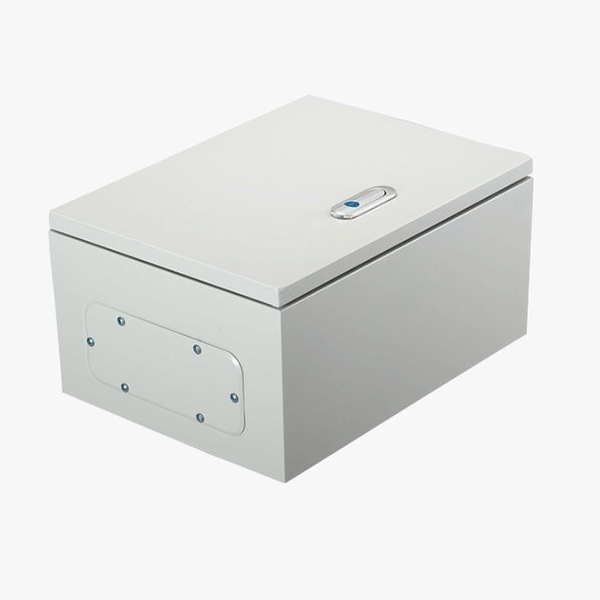
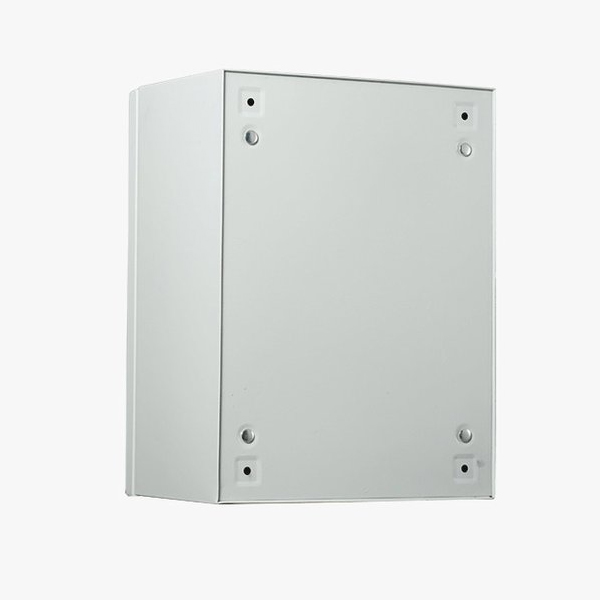
Low Voltage Distribution Box
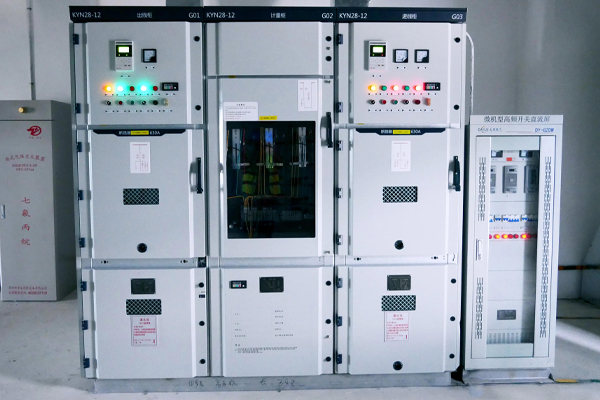
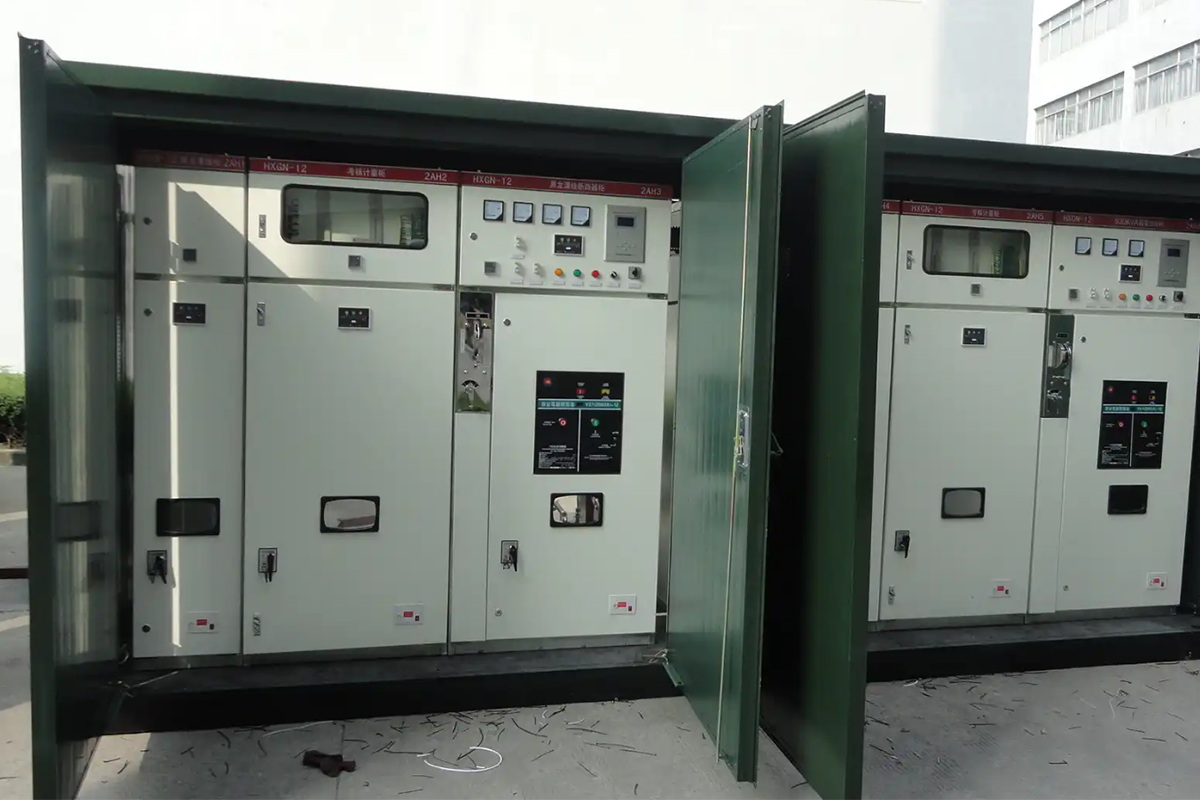
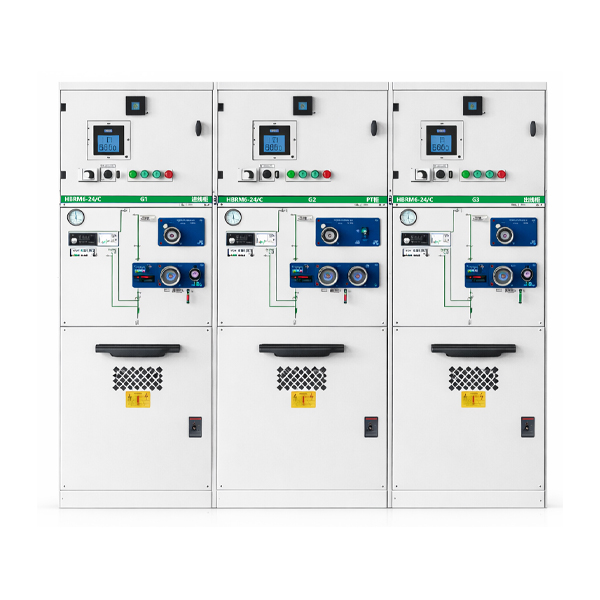
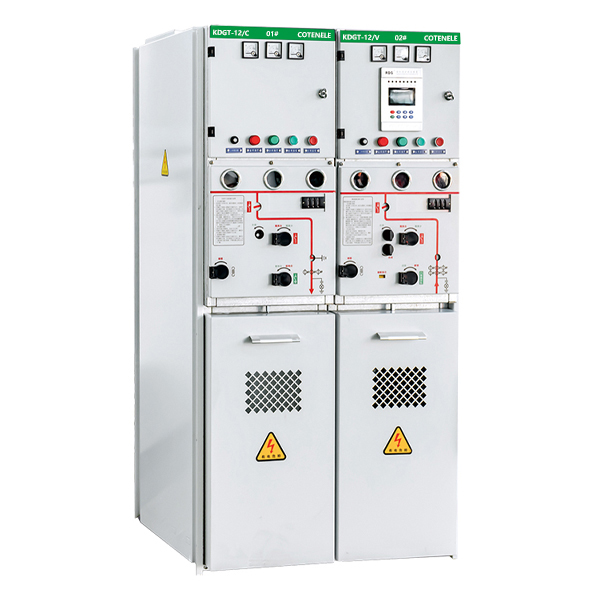
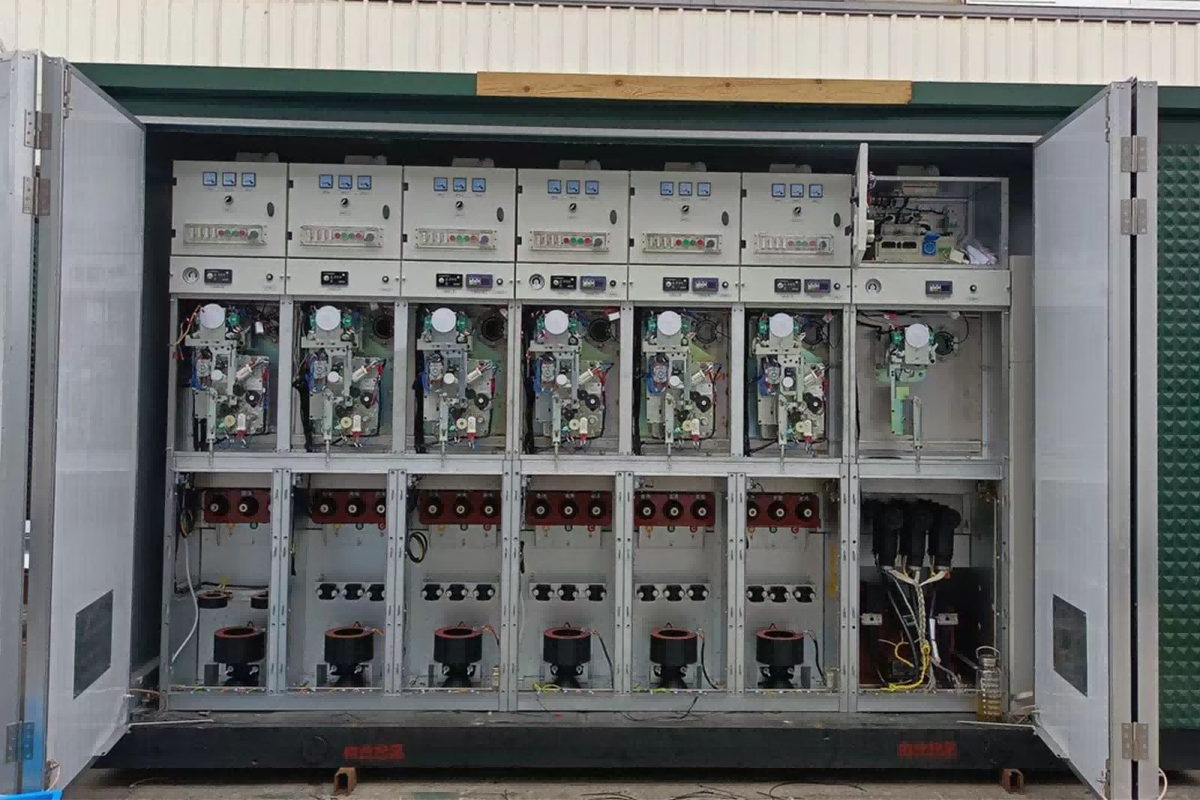
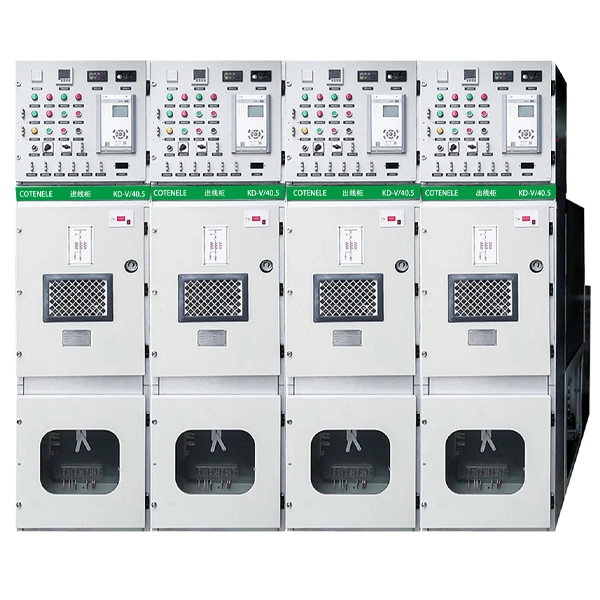
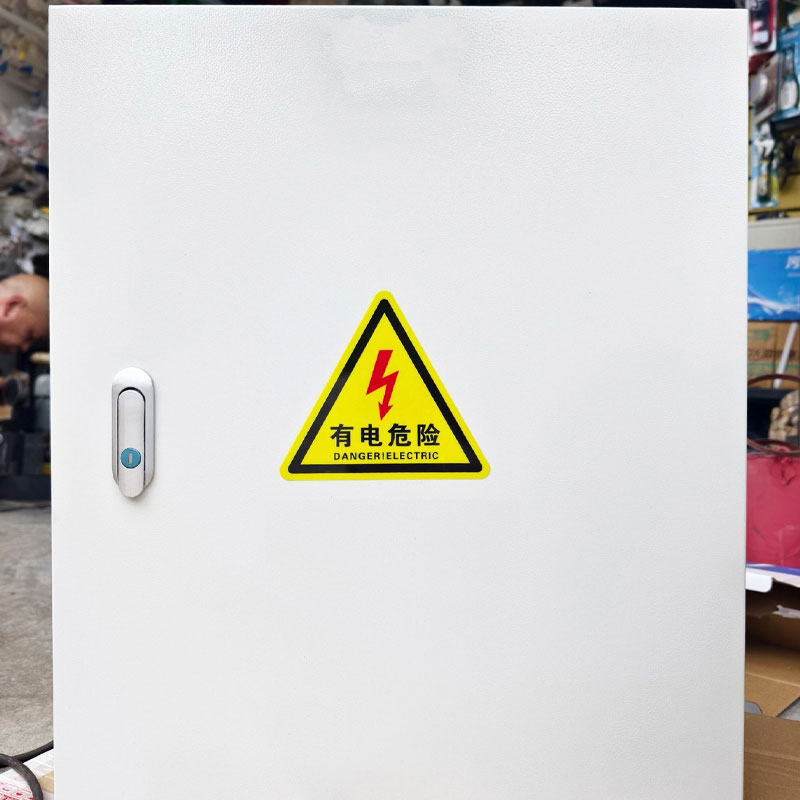
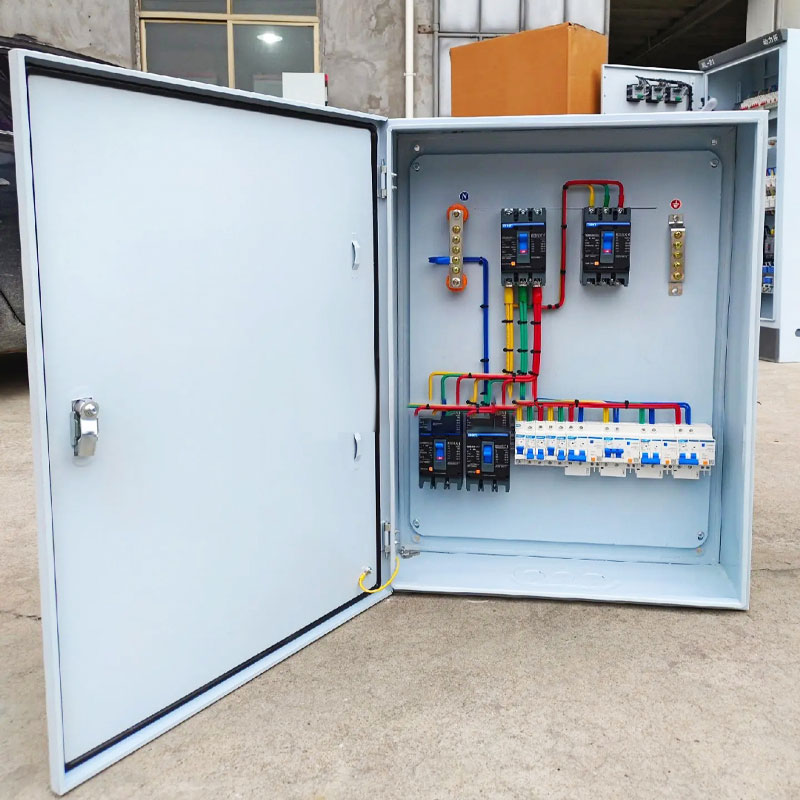
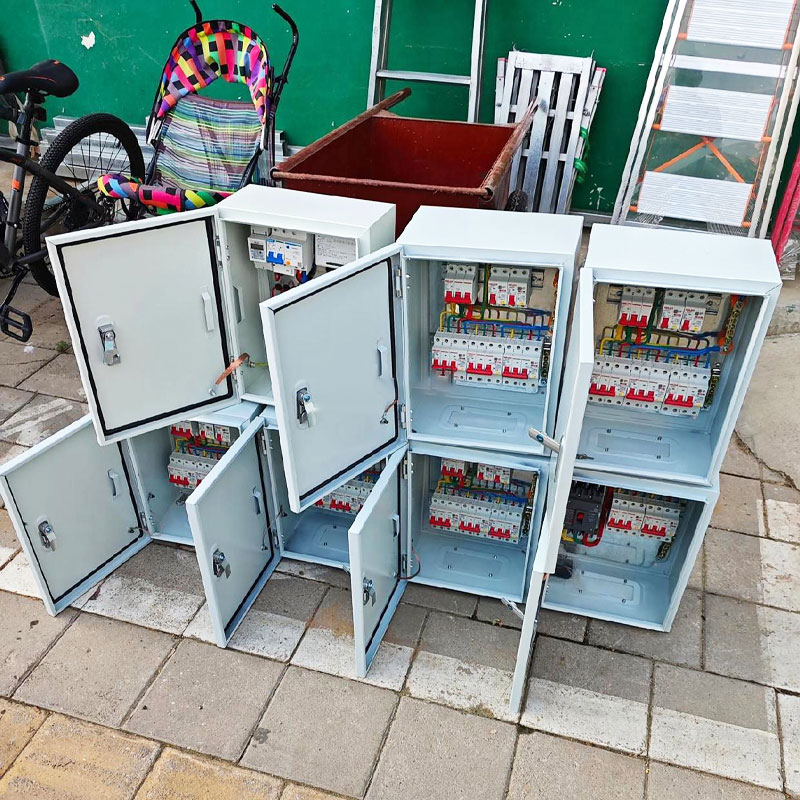
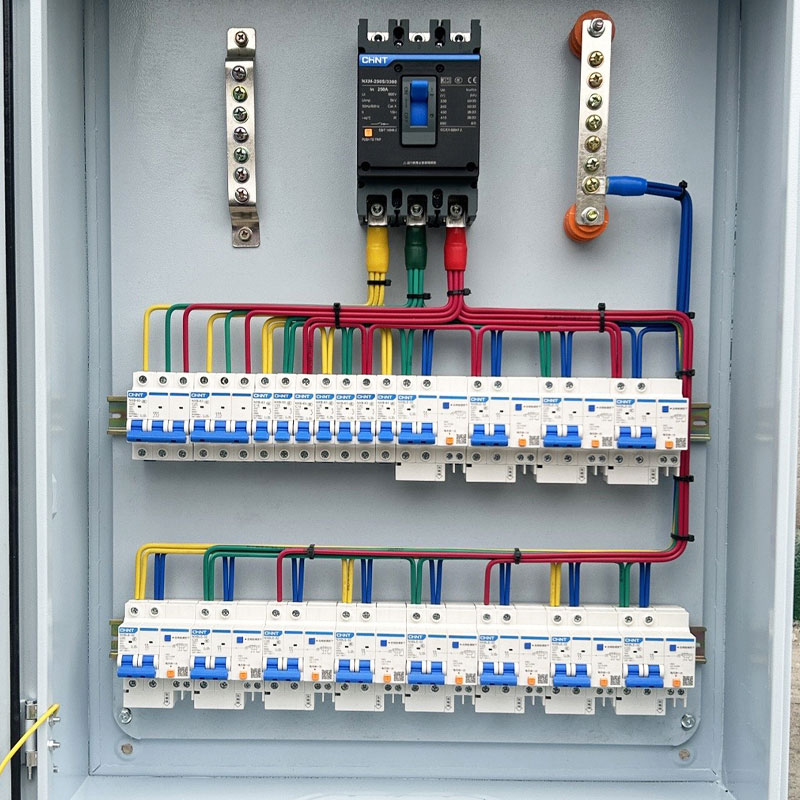
Cotenele is a large manufacturer of low voltage distribution box. Our low-voltage distribution boxes not only have a high market share in China, but also export to overseas markets, especially in Africa and South America. In Europe, we have established long-term and stable cooperation with some Greek agents.The low-voltage distribution box is a critical link in the electrical system, delivering power from the main grid to end-use equipment. It can be considered the final gateway for power distribution.Our low-voltage distribution boxes complies with relevant international standard for example IEC 61439.
With the development of electrical technology, low voltage distribution box is increasingly moving towards intelligence, modularity, miniaturization, and high energy efficiency. The low-voltage distribution box produced by Cotenele fully meets the advantages of the above products. The low-voltage distribution boxes we produce are mainly used in residential buildings, commercial buildings, industrial plants, infrastructure, and renewable energy fields. The cotenele low-voltage distribution box is reliable in quality, sturdy in structure, compact in size, and high in safety, and has long been praised by a large number of users.
What is a low voltage distribution box?
A low-voltage distribution box is the terminal power distribution device of a power distribution system. The low-voltage distribution box can receive power from upstream distribution equipment such as low-voltage switchgear or substation and distributes the power safely to nearby loads, while also providing protection, monitoring, and control for the relevant circuits and equipment. Here, "low-voltage" typically refers to systems with AC voltage 380V or 220V.
Its main functions can be summarised into four points:
1. Power Distribution :Safely distribute a single input power supply into multiple branch circuits through switches such as circuit breakers in the low-voltage distribution box.
2. Circuit Protection :Circuit breakers or other switches installed in low-voltage distribution boxes automatically disconnect the circuit when overload, short circuit, leakage, or other situations occur on the load line, protecting downstream equipment and personal safety.
3. Control & Operation: Installing a low-voltage distribution box can control and operation of downstream circuits more centralized and convenient.
4. Monitoring & Metering :The instruments built into the low-voltage distribution box can display voltage, current, and other operating parameters, and related instruments can also measure energy consumption.
Main Structure & Core Components
A distribution box consists of the enclosure and internal electrical components.
The enclosure protects internal components and provides the necessary dust and moisture protection. It is usually made of metal (e.g., steel), and also uses other insulating materials. Depending on the installation environment, enclosures have different ingress protection (IP) ratings.
The core components perform the electrical functions:
| Component | Main Function | Common Types/Notes |
| Circuit Breaker | Can make,carry,and break normal circuit currents,and also make, carry,and break abnormal currents (e.g.,short circuit)within a specified time. | MCB(Miniature Circuit Breaker),RCCB/RCBO(Residual Currentdevices),ACB(Air Circuit Breaker) |
| Disconnector(lsolator) | Provides isolation to ensure personal safety during maintenance;not capable of breaking fault currents. | Usually features a visible breakinggap. |
| Fuse | An overcurrent protection device- melts its element when current exceeds a set value for a specfied time,thereby breaking the circuit. | e.g.,RT18,NT series fuses. |
| Thermal Overload Relay | Uses the thermal effect of current to provde overload protection for motors and other equipment. | Typically paired with a contactor. |
| Surge Protective Device(SPD) | Limits transient overvoltages(e.g.,lightning strikes,switching surges) and diverts surge currents to protect downstream electronics. | Divided into power supply SPD andsignal SPD. |
| Busbar | A bare conductor that collects and distributes electrical energy-the "power highway"inside the box. | Usually copper or aluminium. |
| Terminal Block | Provides connection points for incoming and outgoing wires, ensuring reliable electrical connections. | Divided into main circuit terminalsand control circuit terminals. |
Classification of low-voltage distribution boxes
Low-voltage distribution boxes can be classified in several ways:
1. By Core Function (most common)
| Type | Core Function | Typical Application | Characteristics |
| Power Distribution Box | Supplies power to motors,pumps,fans,and other power equipment. | Factory workshops,pump rooms,fan rooms | Mostly three-phase output,higher capacity. multiple cable entries. |
| Lighting Distribution Box | Supplies power to lighting fixtures,small sockets,etc. | Homes,offices,shopping malls | Mostly single-phase output,many circuits, small size. |
| Metering Box(Meter Panel) | Measures energy consumption for billing or energy management. | Residential buildings,enterprises, substations | Mainly houses energy meters. |
| Socket Outlet Box | Provides convenient power outlets for mobile equipment or maintenance. | Workshops,laboratories,outdoor maintenance points | Panel mounted with multiple sockets. |
| Control Box | Controls a specific device or process. | Motor Control Centre(MCC),automation lines | Integrates push-buttons,indicators,PLCs,etc. |
2. By Mounting Method
- Wall-mounted :Compact, suitable for residential/commercial buildings, occupies little space.
- Floor-standing (free-standing) :Designed for industrial environments, can carry larger loads, easy maintenance.
- Flush-mounted (recessed) :Embedded into walls, aesthetically pleasing, space-saving (common in homes).
- Outdoor type : Higher IP rating (e.g., IP54), resistant to rain, dust, and corrosion.
3. By Construction Type
- Fixed panel (open type) :Protected only on the front; live parts may be accessible from sides/rear. Low protection rating, used where requirements are minimal.
- Enclosed (closed type) :This low-voltage distribution box is enclosed on all sides except for the installation surface, and its safety and protection performance are relatively high.
- Drawer type :The functional unit of this low-voltage distribution box is a detachable drawer, which has the advantages of good interchangeability and high reliability, and is more suitable for occasions with high continuity requirements.
- Modular type:The internal structure of this type of distribution box adopts standard modularization, which can flexibly reduce and expand functions.
4. By Hierarchy in the Power System
- Primary distribution equipment :This type of low-voltage distribution box can be directly connected to transformers and distribute power to different downstream locations; The rated value and capacity of transformers are also required to be relatively high.
- Secondary distribution equipment :Distributes power from upstream to local loads, providing protection, monitoring, and control.
- Final distribution equipment: Located far from the power source; small‑capacity, decentralised units directly serving end‑users.
How to choose a suitable low-voltage distribution box?
Choosing a suitable distribution box can improve economic efficiency and safety.
1. Firstly, it is necessary to clarify the application requirements and load requirements
- Load characteristics: Secondly, it is necessary to clarify the power, voltage (220V/380V), and current of all devices. Pay special attention to motor inrush currents (5‑7× rated current).
- Future expansion: reserve 10‑20% spare capacity and circuits for future additions.
2. Match key parameters
- Rated voltage :must match the system voltage (e.g., 380V/220V).
- Rated current :main busbar and incoming breaker rating must be ≥ total operating current of all loads.
- Short-circuit breaking capacity (Icu) :the most important safety parameter. Must be higher than the prospective short‑circuit current at the installation point; otherwise the device may be destroyed or cause fire.
3. Determine the required IP rating
- Choose the appropriate IP code based on humidity, dust, corrosive gases, etc. For example, IP30 for dry indoor environments; IP54 or higher for outdoor or dusty/wet locations.
4. Consider materials & workmanship
- Enclosure: steel thickness should be sufficient (e.g., main frame ≥2.0mm) for mechanical strength.
- Conductors: use high‑quality T2 copper for main busbars; avoid aluminium or inferior copper.
- Brand & quality:Choosing reputable manufacturers and brands can ensure quality and reduce after-sales maintenance costs. It is necessary to verify whether the product has valid CCC certification and type inspection reports.
Our Factory
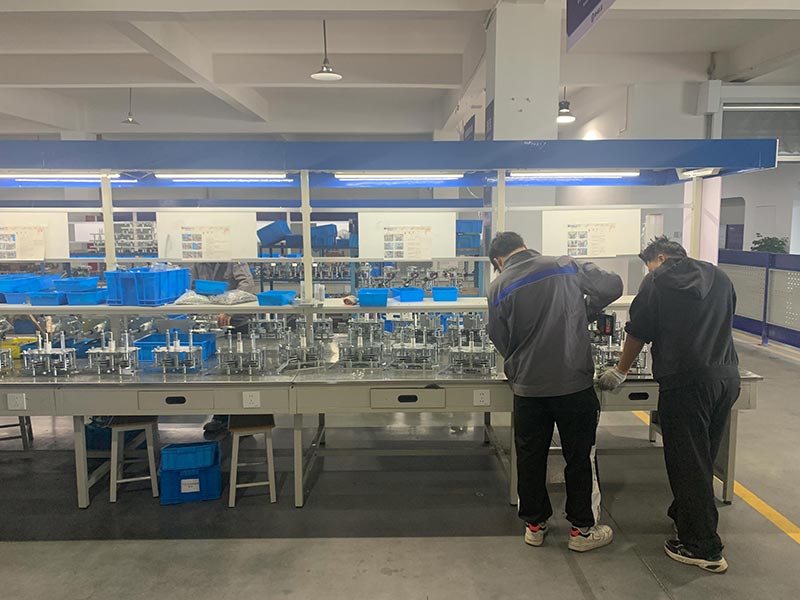
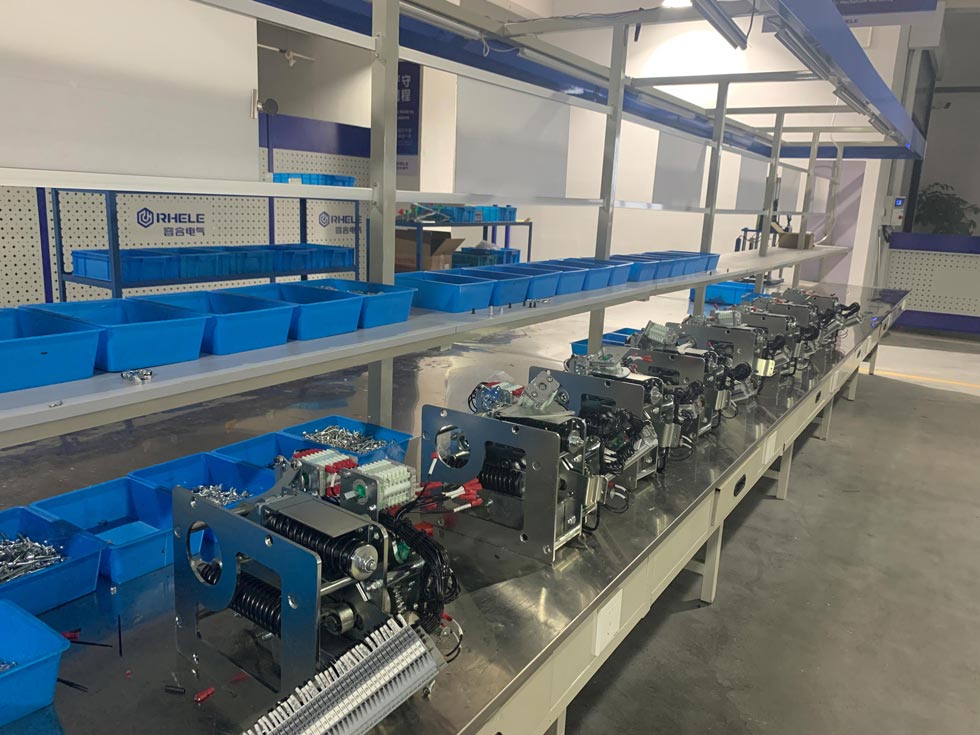
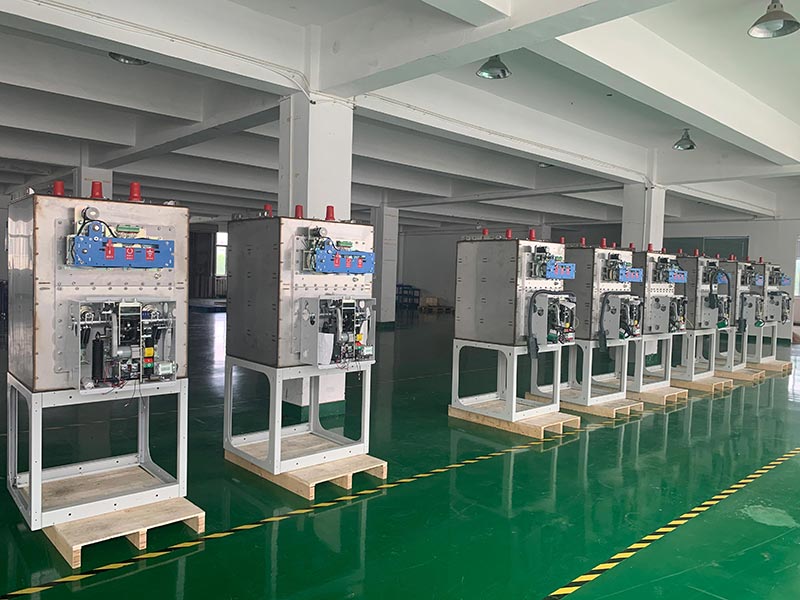
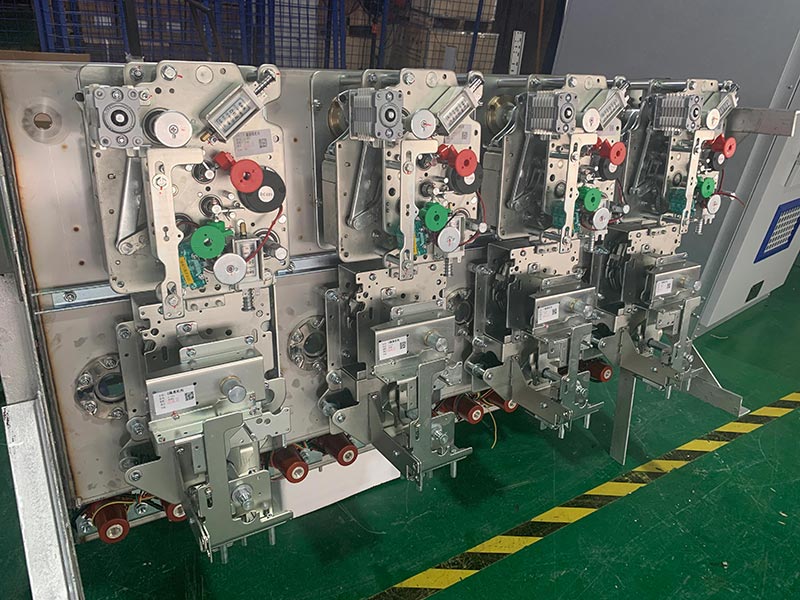
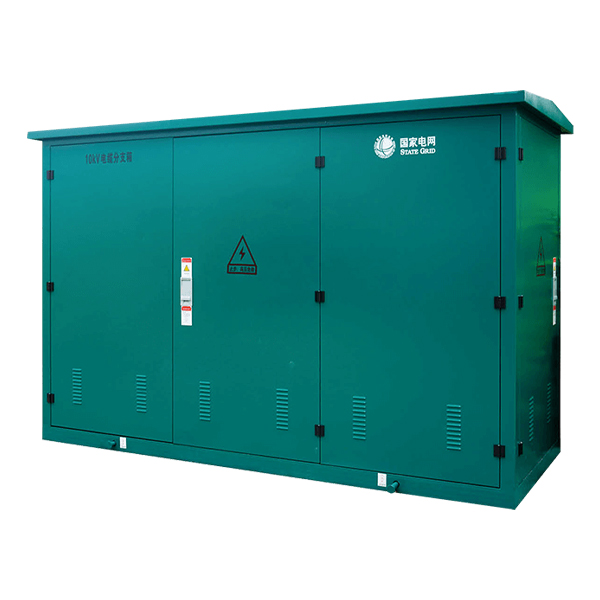
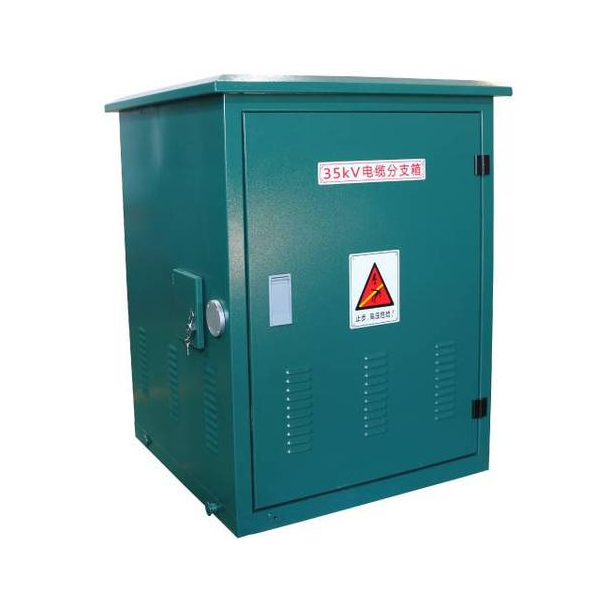
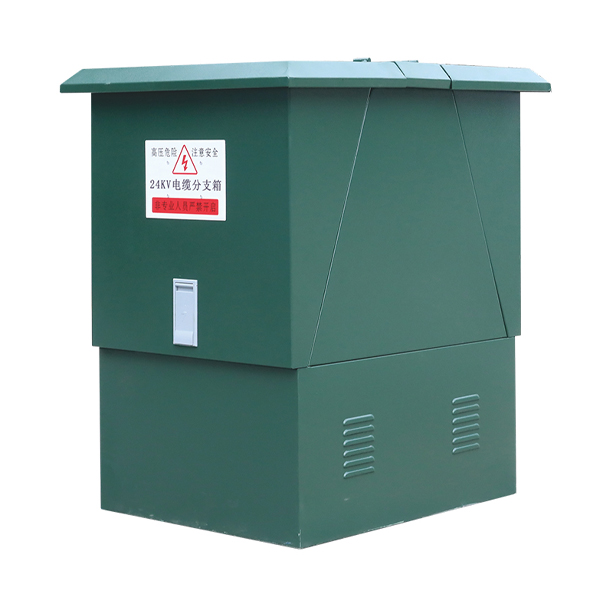
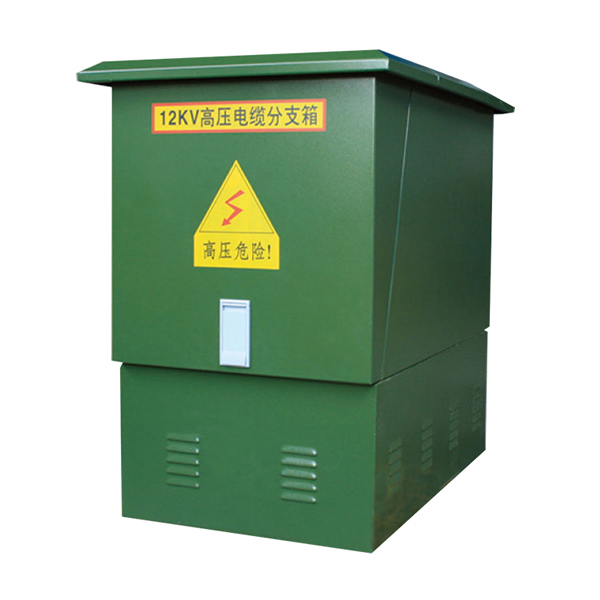
Products show:
Send Inquiry
Contact Info
-
Address
Building 2, Changhong Industrial Park, No. 501 Liule Road, Liushi Town, Yueqing City, Wenzhou City, Zhejiang Province, China
-
Tel
-
Email
Mobile/WhatsApp:
News Recommendations