Products
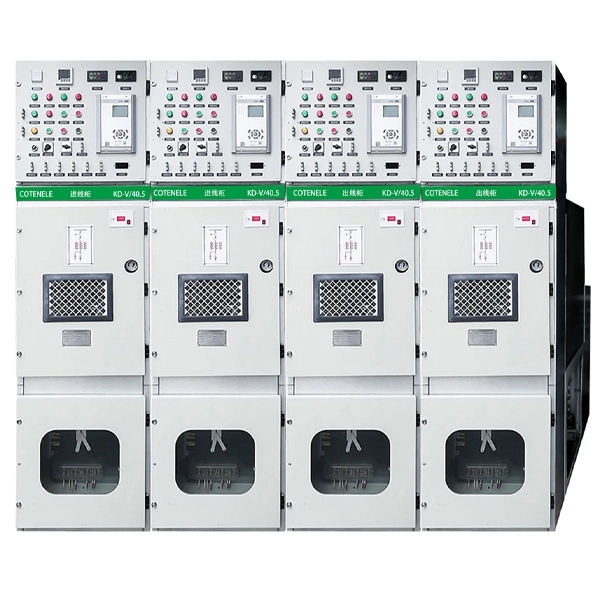
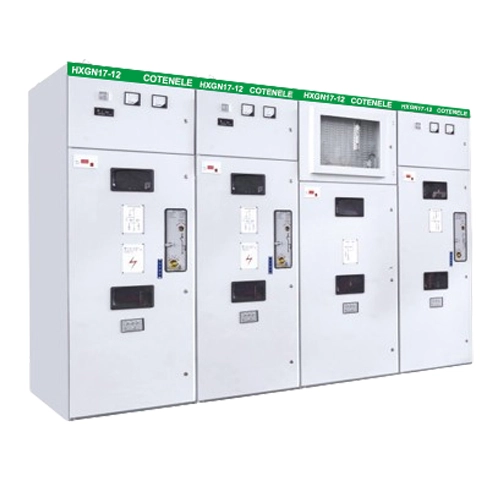
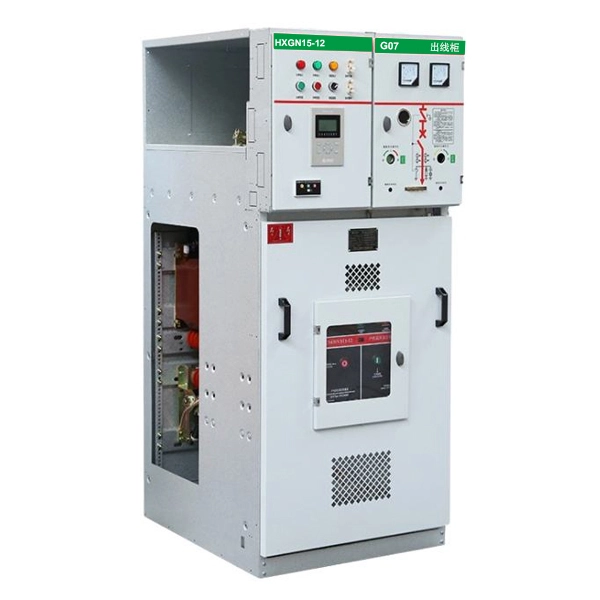
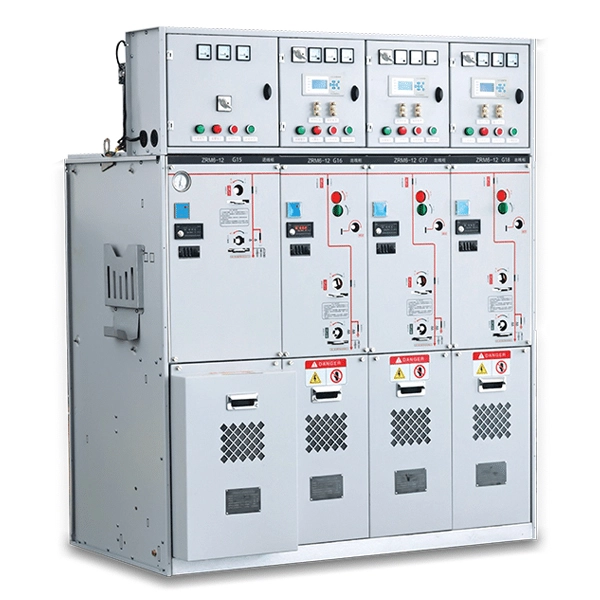
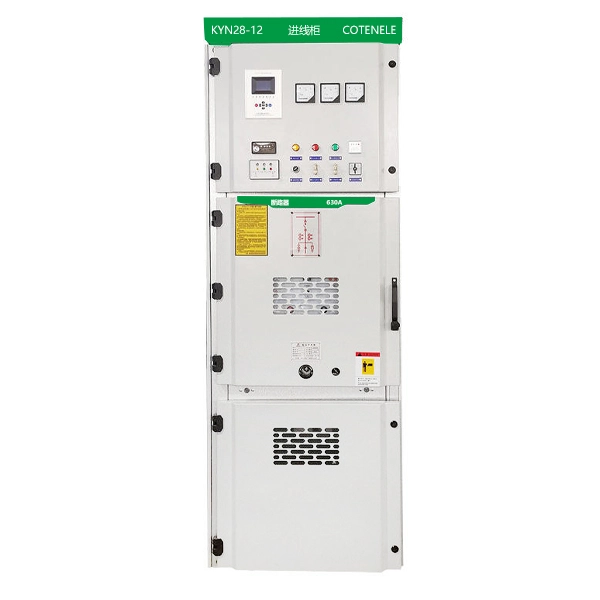
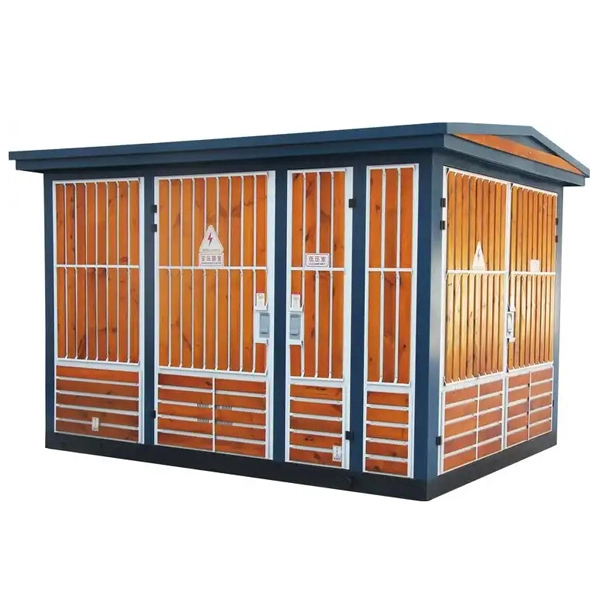
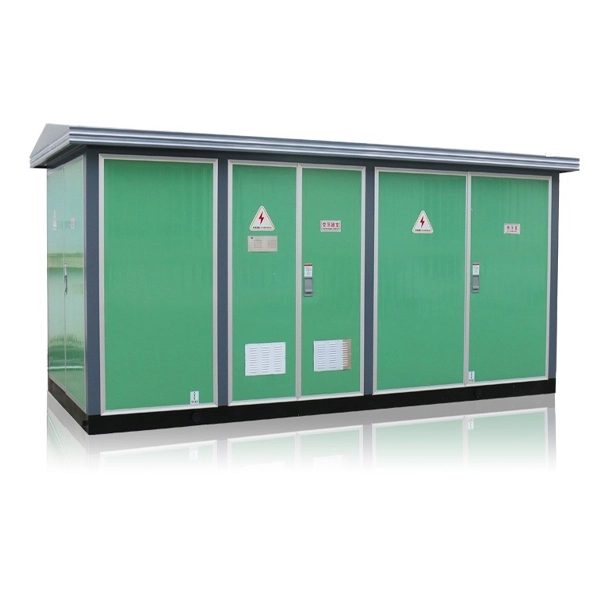

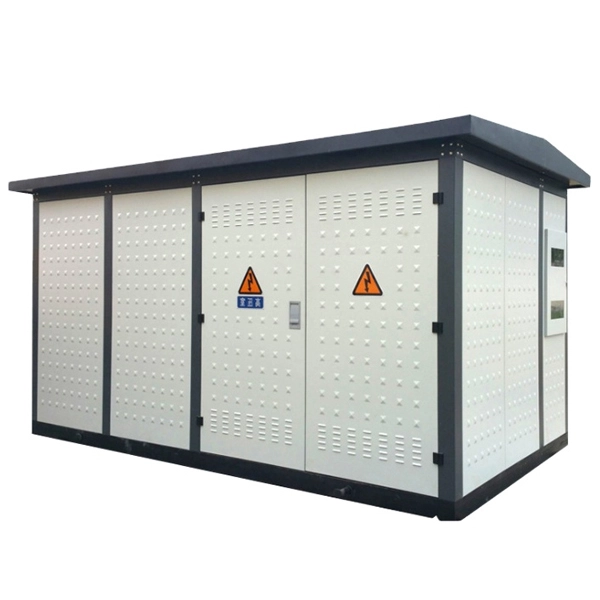
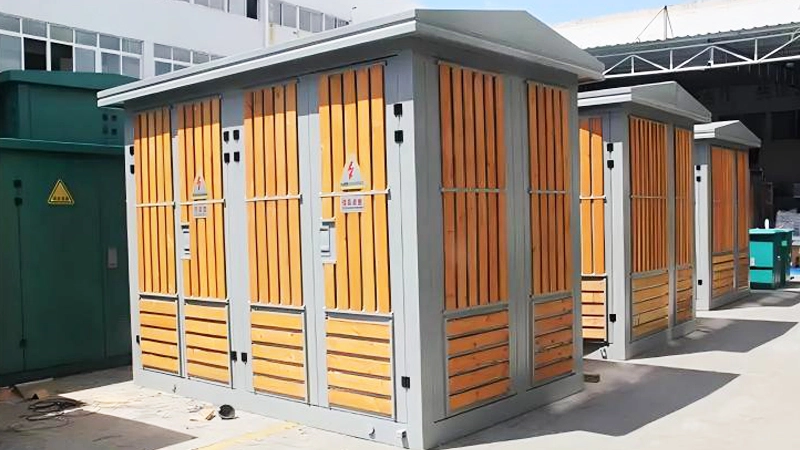
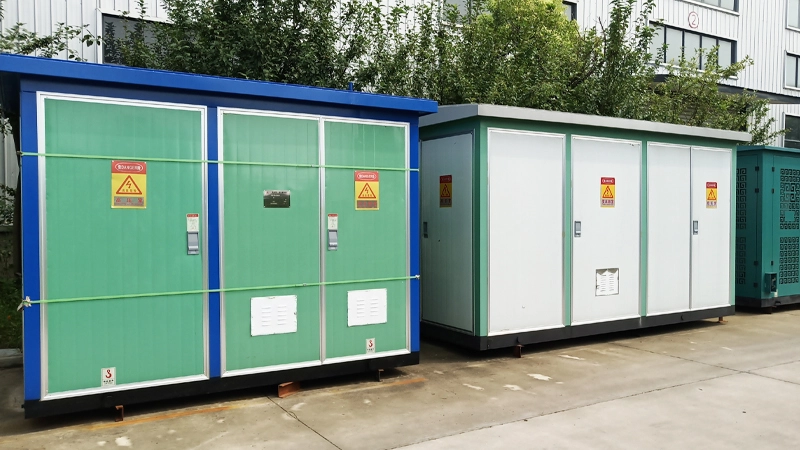
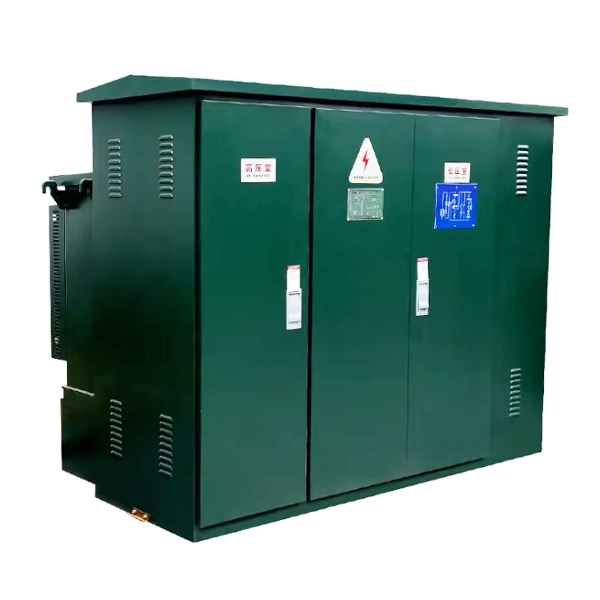
European style Prefabricated Substation
As a large European style Prefabricated Substation manufacturer, Cotenele has collaborated with State Grid Corporation of China on multiple projects.Our European style Prefabricated Substation are widely used in urban power grid renovation, residential communities, high-rise buildings, industrial and mining, hotels, shopping malls, airports, railways, oil fields, docks, highways, and temporary electrical facilities, both indoors and outdoors.
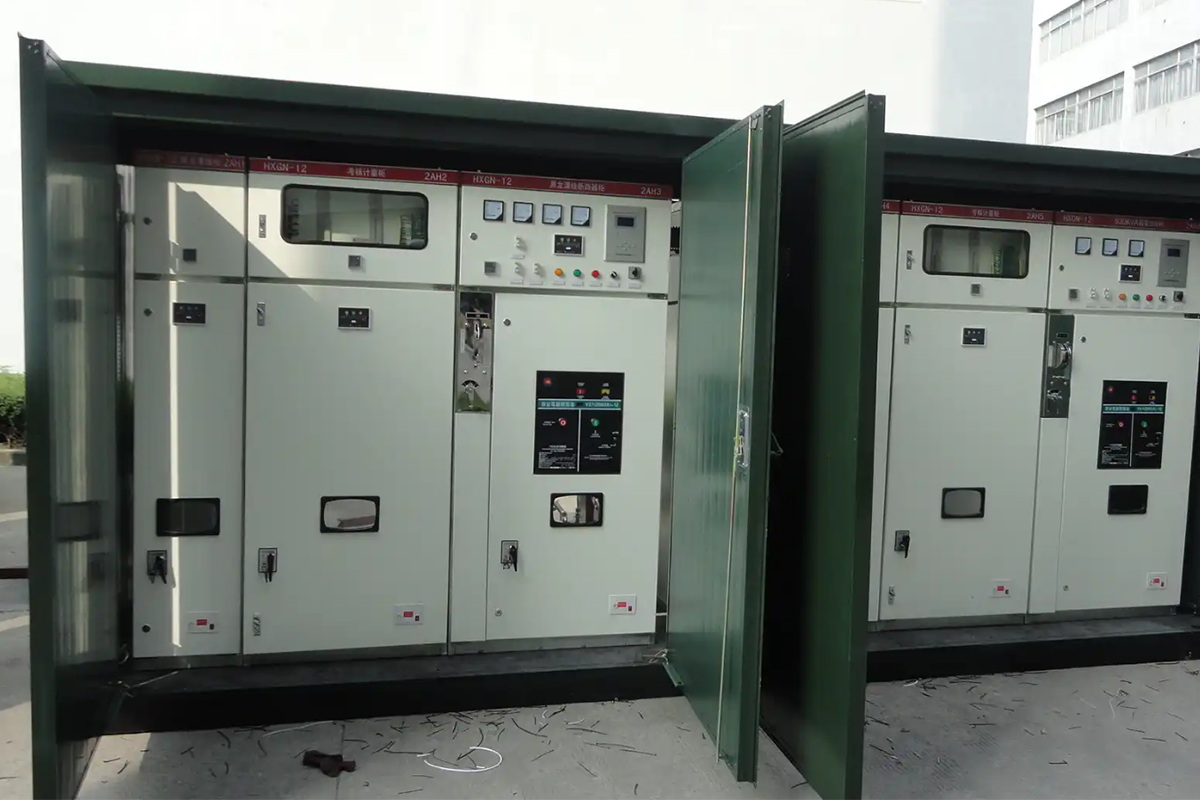
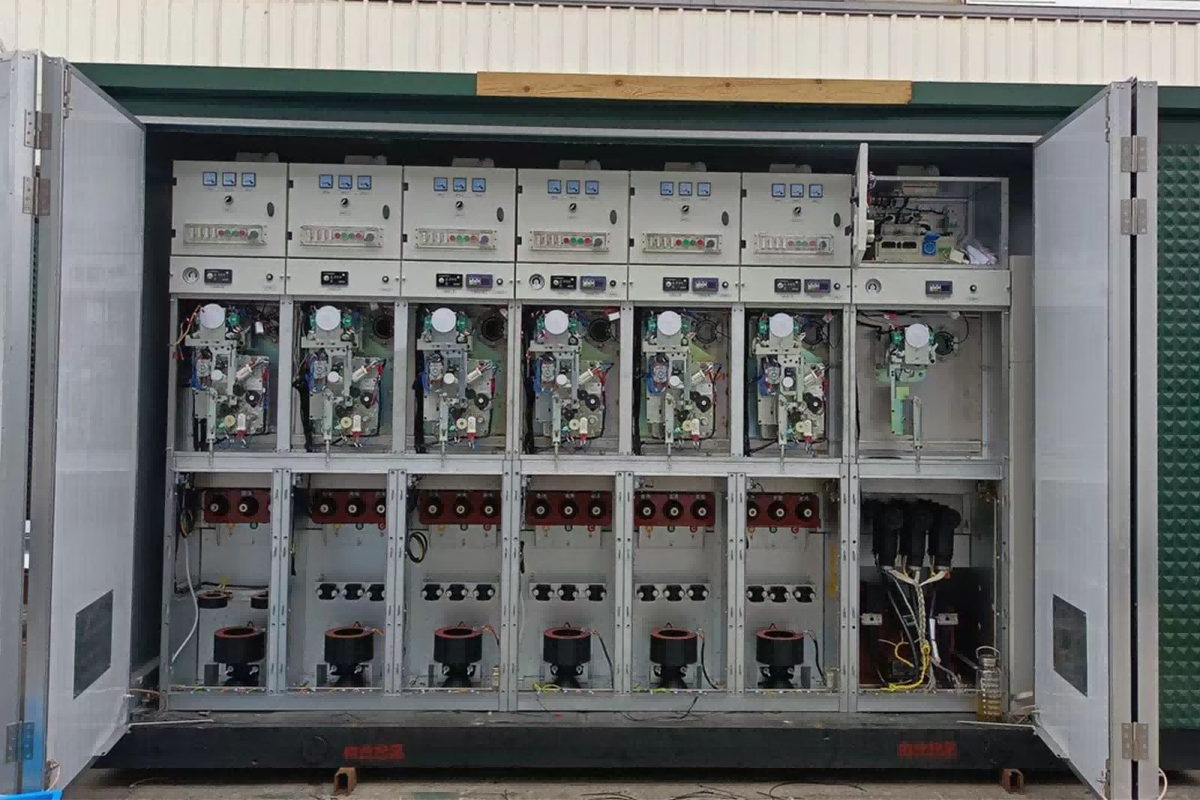
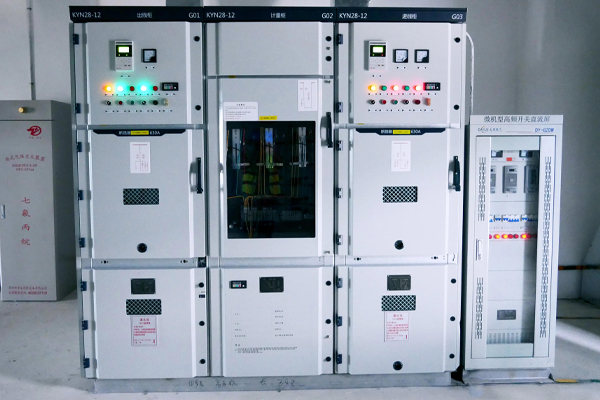
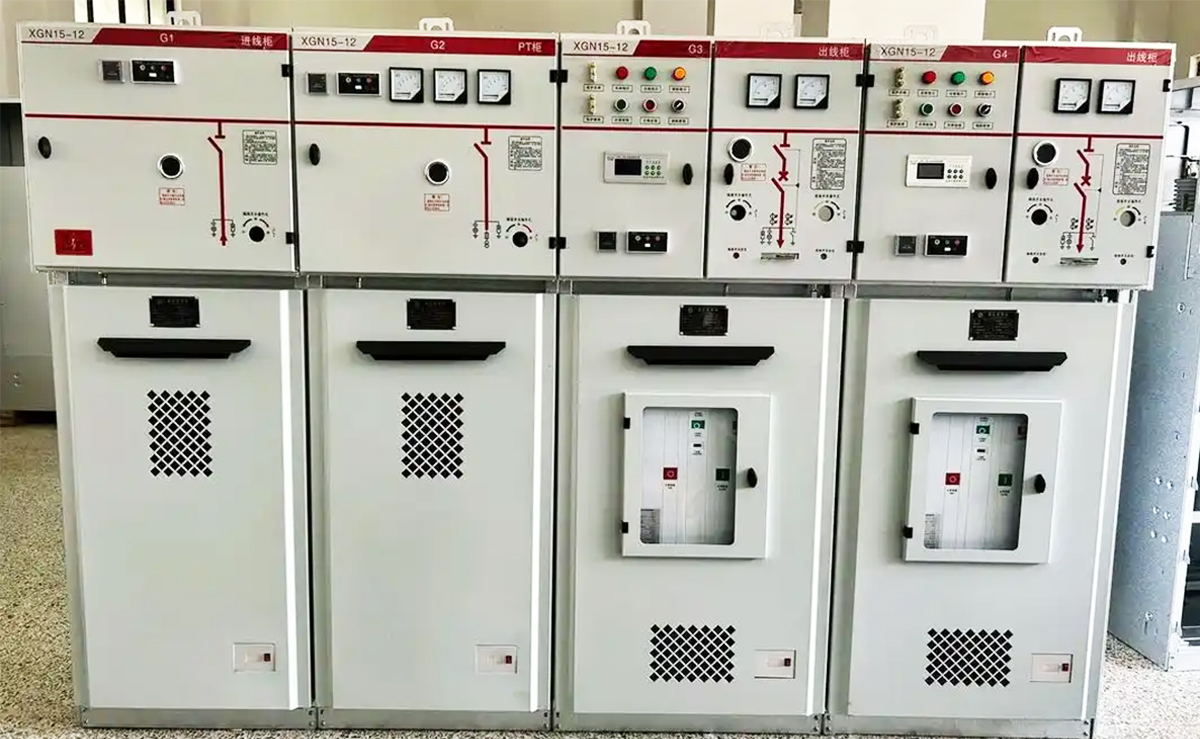
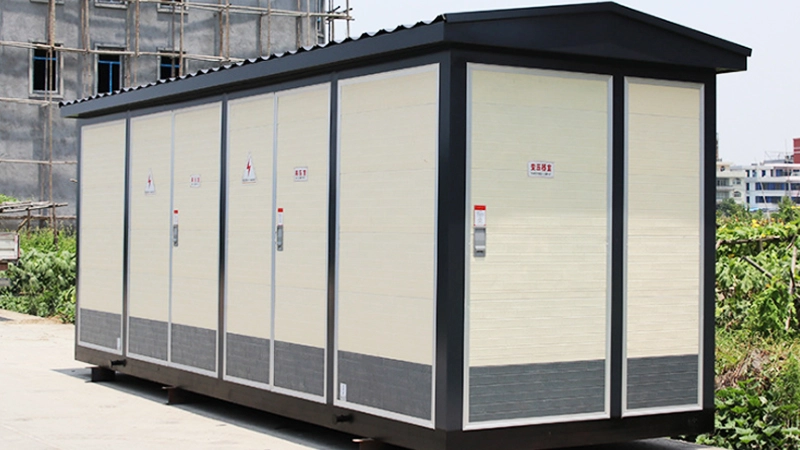
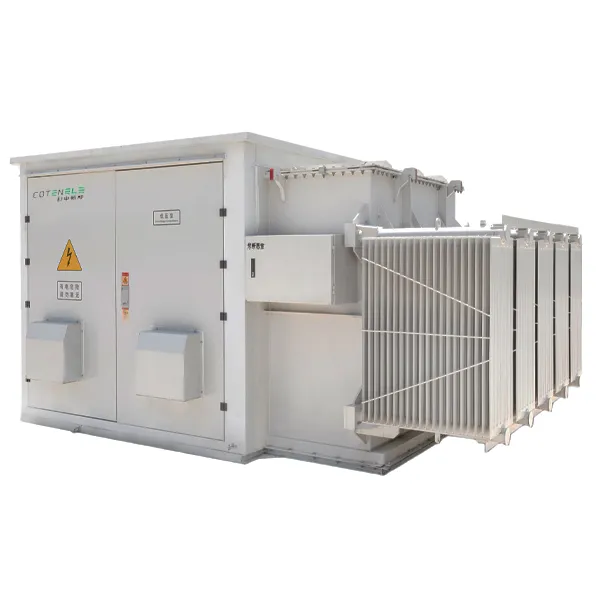
Cotenele is a large factory of electrical equipment in China, our European style prefabricated substation is an outdoor packaged power distribution unit that integrates medium‑voltage switchgear, distribution transformers, low‑voltage distribution devices, and other components into a steel‑structured enclosure according to a specific connection scheme, thereby fulfilling functions such as power transformation, distribution, transmission, metering, reactive compensation, as well as system control, protection, and communication. This European-style substation separates the high‑voltage equipment, transformer, and low‑voltage equipment into independent compartments. The European style substations comply with the national standard GB/T 17467 and International standard IEC 62271-202.
Main Technical Parameters
| Parameter | Range |
| HV rated voltage | 6 kV, 10 kV, 35 kV |
| LV rated voltage | 0.4 kV (400 V) |
| HV rated current | 200 A – 2500 A |
| Transformer rated capacity | 30 kVA – 6300 kVA |
| Rated frequency | 50 Hz |
| Power-frequency withstand voltage (phase-to-earth / phase-to-phase) | 42 kV (for 10 kV class) / 95 kV (for 35 kV class) |
| Lightning impulse withstand voltage (phase-to-earth / phase-to-phase) | 75 kV (for 10 kV class) / 185 kV (for 35 kV class) |
| Protection class | IP34 – IP54 |
| Substation earthing resistance | <4Ω |
| Noise level | ≤50 dB |
Internal Structure and Layout
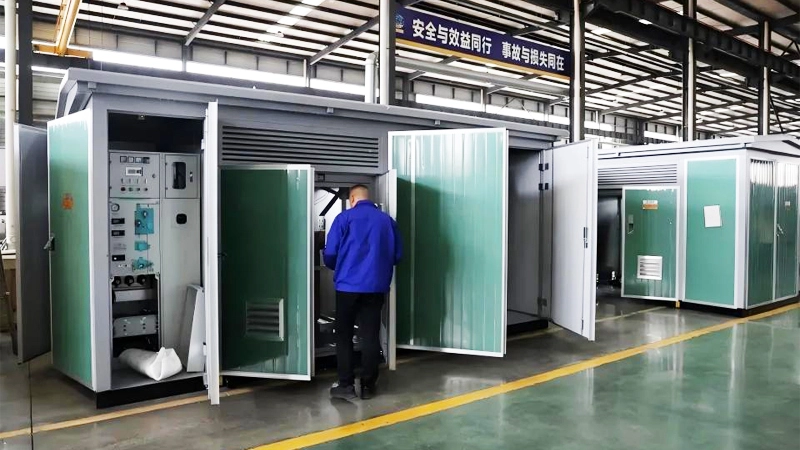
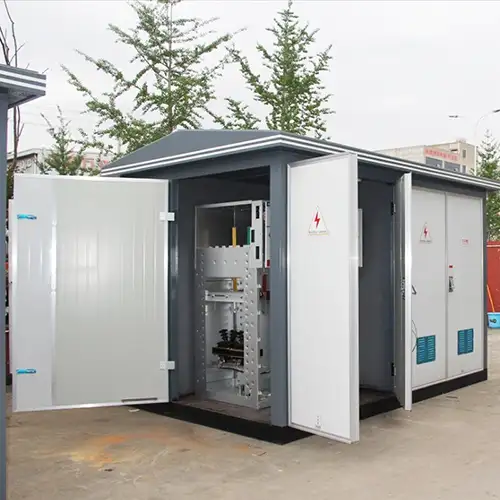
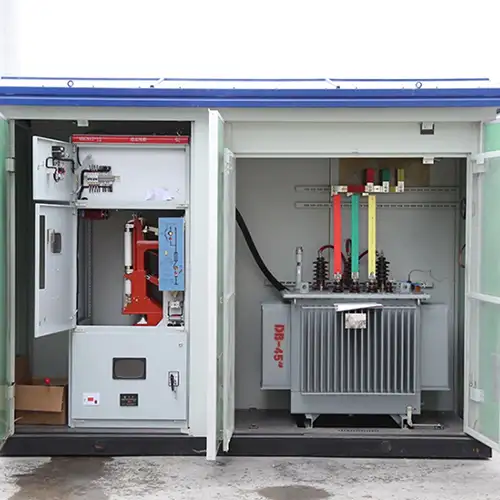
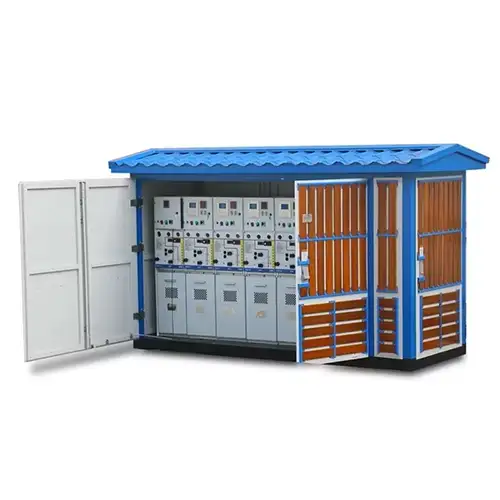
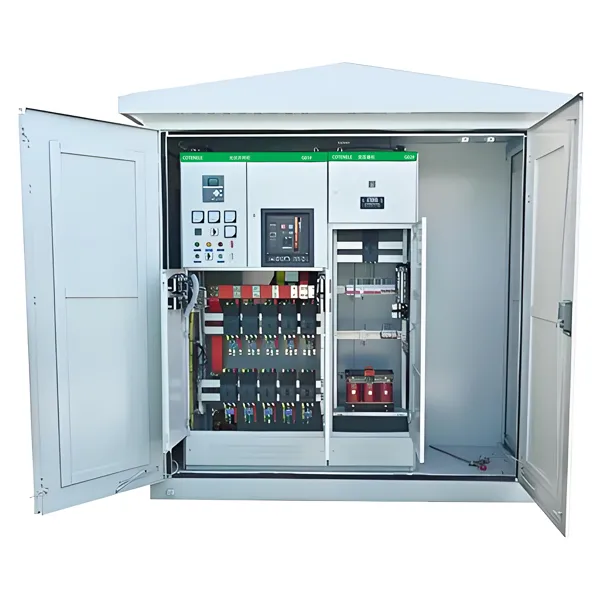
The European-style prefabricated substation adopts a modular design with three clearly separated functional compartments, forming a "compartment‑separated" layout:
1. Medium-Voltage Compartment
Equipped with HV load switches, HV fuses, surge arresters, etc. It allows switching operations and provides overload and short‑circuit protection. The HV side is mainly available in two configurations: load switch + current‑limiting fuses, or circuit breaker devices.
2. Transformer Compartment
Houses an oil-immersed transformer or a dry-type transformer, connected via cables and copper busbars. The transformer compartment is usually fitted with rails so that the transformer can be easily rolled in and out on a trolley for convenient maintenance.
3. Low-Voltage Compartment
Contains LV air circuit breakers, current transformers, ammeters, voltmeters, etc. The LV compartment also integrates metering, reactive compensation, and intelligent control systems.
4. Layout Arrangements
The three functional compartments can be arranged in an "in-line" (or "III-shaped") layout or a "triangular" (or "pin-shaped") layout. The in-line arrangement has the three compartments side-by-side; the triangular arrangement places them in a triangular configuration.
5. Enclosure Structure
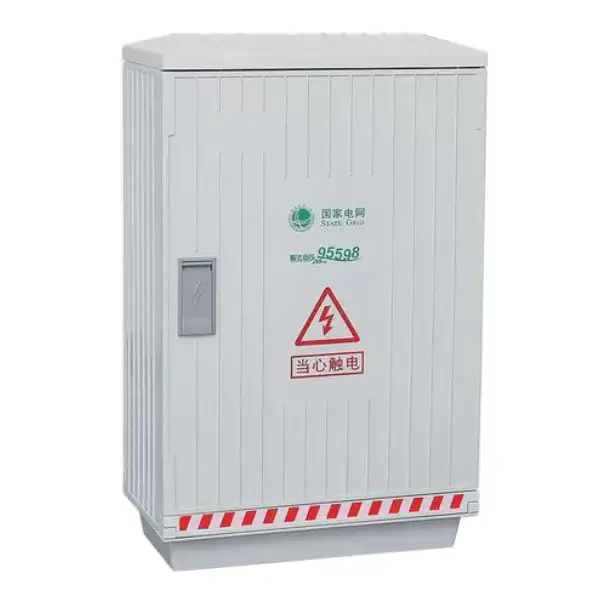
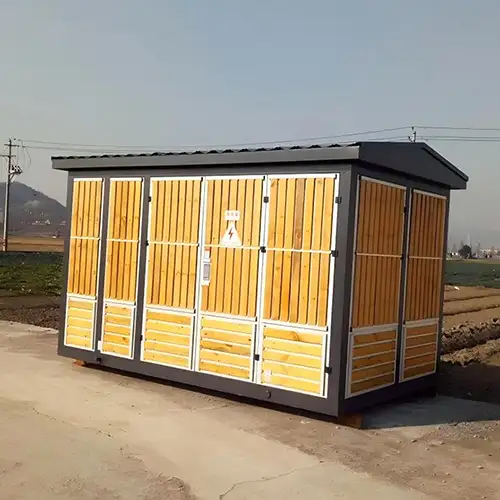
The enclosure consists of a base, outer shell, and roof. The framework is welded from section steel, offering high mechanical strength, weather resistance, and corrosion protection. The enclosure is rainproof, dustproof, and prevents ingress of small animals. The roof includes thermal insulation, and the unit is equipped with an automatic temperature control system and forced ventilation.
Product Advantages
1. Small footprint: For the same capacity, the substation occupies only 1/10 to 1/5 of a conventional built‑up substation.
2. Short construction period: Factory-prefabricated and site-installed, greatly reducing project duration.
3. Lower investment cost: Reduces civil works and engineering design effort.
4. Easy relocation: Portable as a whole, suitable for temporary power supply and mobile operations.
5. Installation close to load centre: Shortens supply radius, improves end‑voltage quality, and reduces line losses.
6. Unattended operation: Simple maintenance; no dedicated on‑site attendant required.
7. Maintenance-free / low maintenance: Some models claim up to 20 years of maintenance‑free service.
Maintenance Precautions
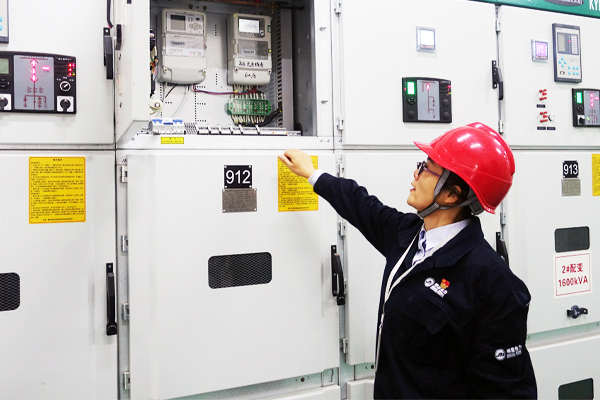
1. Routine Inspection and Maintenance
- Regularly inspect and maintain the substation to ensure normal operation.
- Clean the substation periodically to prevent dust and debris accumulation.
- Check the enclosure, porcelain bushings for cracks or discharge marks, and gaskets for aging.
2. Cooling System Maintenance
- Regularly clean the cooling system (fans, vents) to ensure good heat dissipation.
- Check that the automatic temperature control device operates correctly.
3. Transformer Maintenance
- Periodically check oil level and oil quality; ensure the oil is in good condition.
- Inspect cables and busbars for any deformation.
4. Electrical Equipment Maintenance
- Regularly inspect and replace damaged components such as fuses, relays, etc.
- Perform periodic insulation resistance tests to ensure electrical safety.
- Regularly inspect and maintain residual‑current protective devices.
5. Safe Operation
- Wear insulating shoes and gloves during maintenance and repair.
- When closing the enclosure door, lift the wind‑proof mechanism gently — do not force it.
- In case of electrical fault, immediately cut off the power supply and have it repaired by qualified personnel.
Differences between European‑Style and American‑Style Compact Substations
| Aspect | European-Style (E-Type) | American-Style (A-Type) |
| Origin | Introduced from France, Germany in the late 1970s | Introduced from the USA in the 1990s |
| Structural design | HV/LV switchgear and transformer in separate independent compartments — modular | Load switch, fuses, etc. simplified and immersed in transformer oil — integrated |
| Footprint | Larger in size | Smaller, requires less land |
| HV protection | Load switch + fuses, or circuit breaker | Plug-in fuse + backup fuse + load switch |
| HV connection | Flexible, customizable | Only ring-main or terminal supply types |
| Distribution automation | Configurable, supports "three-remote" functions | No motorised mechanism, cannot easily add automation |
| Electromagnetic radiation | Lower (transformer shielded within metal enclosure) | Relatively higher |
| Capacity flexibility | Flexible | Limited (capacity increase requires rebuilding the foundation) |
| Cost | Higher | Lower |
| Suitable applications | Multi-storey, mid-rise, high-rise buildings, critical facilities | Ordinary residential areas with less demanding supply requirements |
| Supply reliability | Higher | Lower |
Products Show
Send Inquiry
Contact Info
-
Address
Building 2, Changhong Industrial Park, No. 501 Liule Road, Liushi Town, Yueqing City, Wenzhou City, Zhejiang Province, China
-
Tel
-
Email
Mobile/WhatsApp:
News Recommendations